
TL;DR:
- Regular maintenance, cleaning, and timely parts replacement extend appliance lifespan.
- Proactive monitoring and early repairs prevent costly breakdowns and improve efficiency.
- Expert help ensures proper care and advice to avoid unnecessary appliance replacements.
Your refrigerator starts making a grinding noise on a Tuesday night. Your washer leaves clothes soaking wet after a full cycle. Sound familiar? For homeowners across Orange County and Los Angeles County, unexpected appliance failures are expensive, stressful, and almost always avoidable. Replacing a major appliance can cost anywhere from $500 to over $2,000, but the right habits can push your machines well past their average lifespan. This guide walks you through four practical, proven strategies to keep every appliance in your home running longer, stronger, and more efficiently.
Table of Contents
- Choose and apply regular maintenance routines
- Clean appliances effectively and avoid common mistakes
- Use appliance parts replacement and upgrades wisely
- Monitor appliance performance and schedule timely repairs
- What most homeowners miss about appliance longevity
- Next steps: Get expert help with appliance maintenance and repairs
- Frequently asked questions
Key Takeaways
| Point | Details |
|---|---|
| Routine maintenance | Consistent care is the top driver of longer appliance life and fewer repairs. |
| Proper cleaning methods | The right cleaning products and frequency help appliances perform efficiently for years. |
| Timely part replacement | Addressing worn parts before total failure protects your investment and saves money. |
| Early warning signs | Recognizing trouble signals early means fast, affordable repairs before major damage. |
| Local expertise matters | Professional help in Orange and LA County maximizes appliance value and comfort. |
Choose and apply regular maintenance routines
Routine maintenance is the single most powerful habit you can build as a homeowner. Think of it the way you think about oil changes for your car. Skip them long enough, and the engine fails. The same logic applies to your refrigerator, dishwasher, washer, and dryer.
Here in Southern California, two local factors make maintenance even more critical. Hard water is common across many Orange County and LA County cities, and mineral buildup quietly attacks internal components over time. Fluctuating power, especially during peak summer demand, puts added stress on motors and compressors. Scheduled maintenance can extend lifespan and prevent costly repairs before they become emergencies.
A good preventive maintenance guide will break tasks into manageable timeframes. Here’s a quick-reference checklist:
- Weekly: Wipe down oven surfaces, clean dishwasher filters, check washing machine drum for residue
- Monthly: Inspect refrigerator door seals, clean dryer lint trap thoroughly, check dishwasher spray arms for clogs
- Seasonally: Descale washing machines, clean refrigerator coils, test oven temperature calibration
- Annually: Have a technician inspect HVAC filters, gas connections, and compressor health
The benefits go beyond preventing breakdowns. Regular maintenance reduces energy consumption, which matters in a region where utility bills already run high. Appliances that run clean and properly calibrated use less power per cycle, and that adds up over months and years.
Pro Tip: Set recurring calendar reminders on your phone for each maintenance task. Label them by appliance name so nothing slips through. Consistency is more important than perfection. When you schedule appliance maintenance regularly, you cut surprise repair costs dramatically.
Clean appliances effectively and avoid common mistakes
Once you have a maintenance rhythm going, targeted cleaning becomes your next strongest defense. But not all cleaning is equal. Using the wrong product or method can actually damage components and void warranties.
Grime buildup is a leading cause of appliance inefficiency. That layer of grease on your oven’s heating element forces it to work harder. Lint accumulation inside your dryer duct is a fire hazard and an efficiency killer. Soap scum in your washing machine drum creates odors and degrades rubber seals faster than normal wear would.
Here are high-impact cleaning habits for your major appliances:
- Refrigerator: Vacuum condenser coils every six months. Use warm soapy water on interior shelves. Never use bleach-based sprays on rubber door gaskets.
- Oven and range: Use manufacturer-approved oven cleaners only. Avoid abrasive scrubbers on glass stovetops. Clean burner grates regularly to prevent clogging.
- Washing machine: Run a monthly hot water cycle with white vinegar to remove mineral deposits. Leave the door open between cycles to prevent mold.
- Dryer: Clean the lint trap after every single load. Deep-clean the dryer duct at least once a year.
- Dishwasher: Wipe the door gasket weekly. Remove and rinse the filter monthly.
Avoid harsh chemical cleaners on plastic components and rubber seals. These materials degrade quickly with repeated chemical exposure, leading to leaks and premature replacement.
For detailed kitchen appliance cleaning tips, using manufacturer-approved products protects both the finish and the internal mechanics. Check your appliance manual before reaching for any commercial cleaner. Following the appliance maintenance essentials for each machine type makes a measurable difference in lifespan.
Pro Tip: Keep a small cleaning kit dedicated to appliances. Include microfiber cloths, a soft-bristle brush, white vinegar, and baking soda. These four items handle most appliance cleaning jobs without damaging surfaces.
Use appliance parts replacement and upgrades wisely
Even the best-maintained appliances occasionally need parts replaced. Knowing when and how to replace them separates smart homeowners from those who end up buying new machines prematurely.
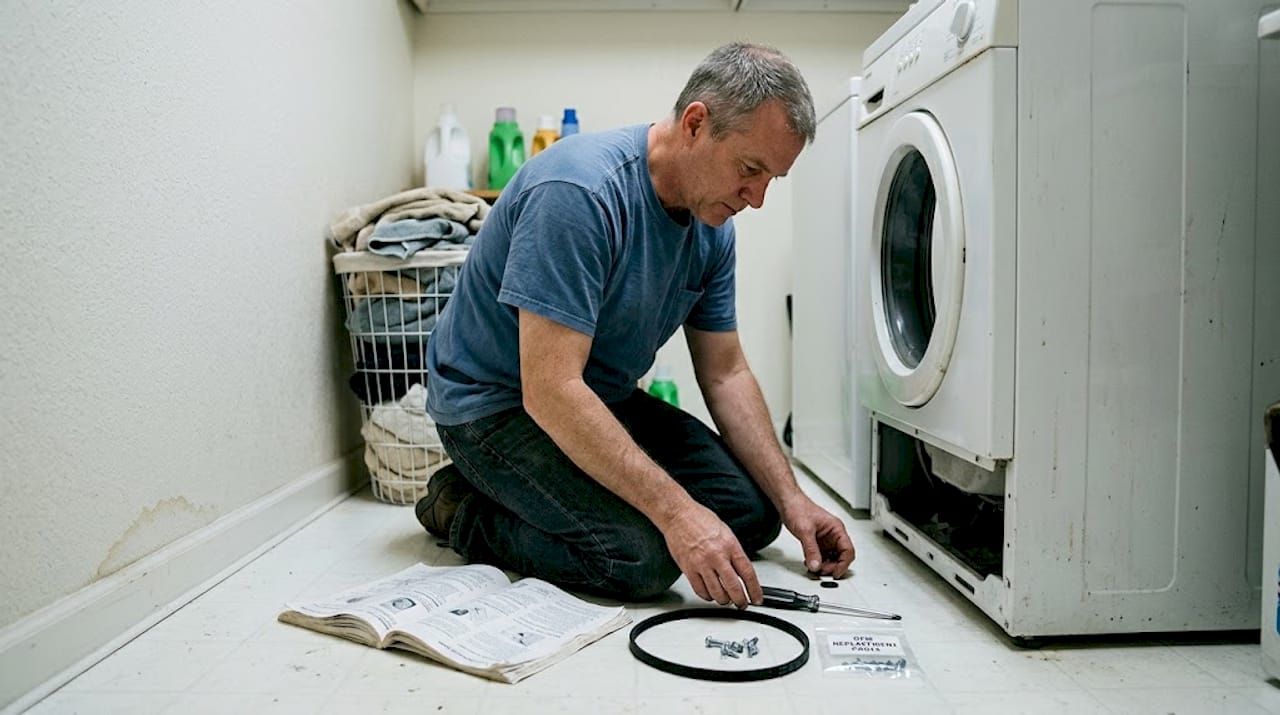
Timely parts replacement can extend longevity and prevent a total breakdown that forces an emergency purchase. The trick is catching the signs early.
Here are the top signs that a part needs attention:
- Appliance takes longer than usual to complete a cycle
- Unusual sounds like grinding, humming, or rattling during operation
- Visible wear on belts, seals, or filters
- Energy bills spiking without a change in usage habits
- Error codes displaying repeatedly on digital panels
Once you identify the issue, you face a key choice: OEM (original equipment manufacturer) parts or aftermarket alternatives. Both have tradeoffs.
| Feature | OEM parts | Aftermarket parts |
|---|---|---|
| Cost | Higher upfront | Lower upfront |
| Quality | Guaranteed fit and performance | Varies by brand |
| Warranty | Usually backed by manufacturer | Limited or none |
| Availability | May require ordering | Often in stock locally |
For critical components like compressors, heating elements, or control boards, OEM parts are almost always worth the extra cost. For lower-stakes items like water inlet valves or door handles, quality aftermarket parts can work well and save money. Understanding your appliance care process helps you make smarter decisions here.
If your washer is acting up, a solid washer maintenance guide can help you determine if the issue is a worn belt, a failing pump, or something the machine can recover from with a minor fix.
Pro Tip: Before spending money on a major upgrade or part, consult a licensed technician. A $50 diagnostic call can save you from a $300 mistake.
Monitor appliance performance and schedule timely repairs
Proactive cleaning and smart parts replacement mean very little if you are not paying attention to how your appliances actually perform day to day. Ongoing monitoring is what catches problems before they escalate into full breakdowns.
Scheduling repairs at the first sign of trouble minimizes costly breakdowns and keeps your appliances in the game longer. Most major failures give you warning signs weeks or even months in advance.
Here is what to watch for:
- Unusual noises during any cycle, especially grinding, clicking, or squealing
- Longer than normal cycle times
- Visible leaks or condensation in unexpected places
- Food spoiling faster than usual in the refrigerator
- Clothes not fully dried after a normal dryer cycle
| Appliance | Warning sign | Likely issue |
|---|---|---|
| Refrigerator | Warm interior | Failing compressor or dirty coils |
| Washing machine | Excessive vibration | Worn drum bearings or unbalanced load |
| Dryer | Long drying times | Clogged duct or failing heating element |
| Dishwasher | Standing water | Blocked drain or pump issue |
| Oven | Uneven cooking | Faulty heating element or sensor |
For Orange County and LA County homeowners, local appliance maintenance schedules tailored to the region’s climate and water quality make monitoring even more effective. The importance of appliance maintenance becomes crystal clear when you realize most homeowners call for repairs only after the appliance has already caused a bigger, more expensive problem.
Building a simple log of your appliances, including model numbers, purchase dates, and repair history, helps you spot patterns and make smarter repair versus replace decisions.
What most homeowners miss about appliance longevity
Here is the honest truth we see over and over again in Orange and LA County homes: most appliance failures are not random. They are the predictable result of months or years of skipped maintenance, incorrect cleaning, and ignored warning signs.
Homeowners often focus on the dramatic moment, the flood from the washing machine, the fridge that suddenly stops cooling, and completely miss the quiet signals that came before. A small rubber gasket that costs $12 and takes 20 minutes to replace can, if ignored, lead to water damage that costs thousands to fix.
The real ROI of appliance care is not just avoiding repair bills. It is keeping your household running smoothly and predictably. When you follow a care process built on consistency, you stop reacting to emergencies and start managing your home like the investment it actually is. Appliances that are cared for properly regularly outlast their expected lifespan by three to five years, and that is not an accident.
Next steps: Get expert help with appliance maintenance and repairs
Now that you have a solid toolkit for extending appliance lifespan, the smartest next move is connecting with local professionals who can help you execute these strategies.
At MDTech Appliance Repair, we serve homeowners across Orange County and Los Angeles County with fast, reliable maintenance and repair services. Whether you need guidance on appliance parts replacement, support with Samsung appliance repair, or honest repair vs replacement advice before spending money on a new machine, our licensed technicians are ready to help. Book your appointment online today and stop letting small issues become big, expensive problems.
Frequently asked questions
How often should I perform appliance maintenance?
Routine maintenance extends appliance life when done consistently. Most appliances benefit from monthly checks, seasonal deep cleaning, and annual expert servicing for maximum lifespan.
Is it better to repair or replace appliances?
Repair is typically cost-effective for newer appliances or minor issues. For guidance tailored to your situation, review repair vs replacement considerations before committing to a purchase.
What are the most common signs of appliance failure?
Warning signs include unusual noises, declining efficiency, longer cycle times, and visible damage. Tracking appliance performance over time makes these signs easier to catch early.
Does cleaning really impact appliance lifespan?
Yes. Proper cleaning reduces strain and prevents breakdowns, especially for kitchen and laundry appliances exposed to grease, minerals, and heavy use.
Can I replace appliance parts myself, and is it safe?
Many simple parts can be replaced safely with proper guidance. For complex repairs, always rely on a licensed technician. Start with a replacement guide to understand what is safe to tackle on your own.