
TL;DR:
- HVAC systems are major energy consumers and key to eco-friendly home living.
- Upgrading to high SEER, smart controls, and ductless systems reduces bills and environmental impact.
- Proper maintenance and smart usage maximize efficiency and prolong system lifespan.
Most homeowners think about eco-friendly living in terms of recycling or LED bulbs. But your HVAC system, which stands for heating, ventilation, and air conditioning, is quietly one of the biggest energy consumers in your home. It shapes your comfort, your monthly bills, and your carbon footprint more than almost any other system under your roof. The good news is that eco-friendly HVAC solutions have never been more accessible or more effective. This guide breaks down what green HVAC really means, which technologies work best for Southern California homes, and how to get the most out of every upgrade you make.
Table of Contents
- What does eco-friendly HVAC really mean?
- The essential components of an eco-friendly HVAC system
- Eco-friendly HVAC options for Southern California homes
- How to maximize the impact of your eco-friendly HVAC system
- Why eco-friendly HVAC matters more than ever in 2026
- Get expert help with your eco-friendly HVAC needs
- Frequently asked questions
Key Takeaways
| Point | Details |
|---|---|
| HVAC energy impact | Heating and cooling can account for up to half your home’s energy use. |
| Eco-friendly system features | High SEER ratings, variable-speed motors, and smart thermostats make an HVAC system green. |
| Regional upgrade options | Heat pumps and ductless mini-splits are top eco-friendly choices for Southern California. |
| Maintenance pays off | Annual professional service improves efficiency, extends system life, and saves money long-term. |
What does eco-friendly HVAC really mean?
There’s a common myth that going green with your HVAC just means buying an expensive new unit. That’s not the full picture. Eco-friendly HVAC is really about systems and practices that reduce energy consumption, cut greenhouse gas emissions, minimize waste, and improve indoor air quality at the same time.
According to DOE heating and cooling info, heating and cooling account for the largest share of energy use in most American homes. In fact, HVAC systems can account for up to half of a home’s energy use. That’s a significant number, and it means even small improvements to your HVAC setup can have a real impact on your bills and the environment.
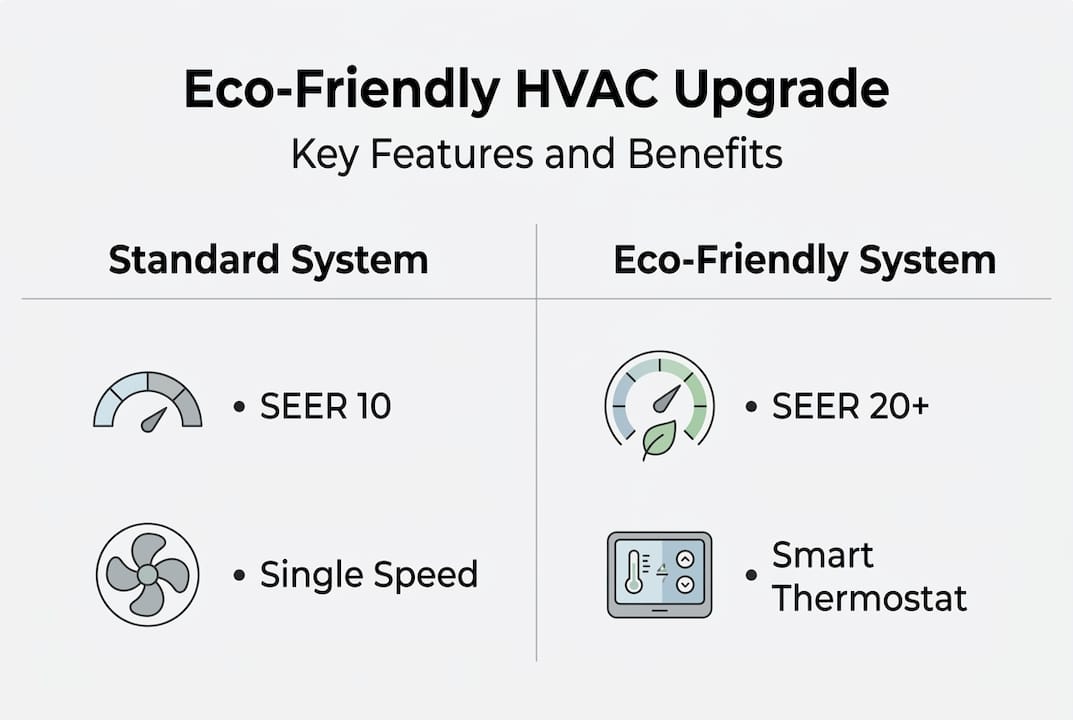
Here’s where a lot of homeowners get confused. They assume eco-friendly means sacrificing comfort or spending a fortune. Neither is true. Modern high efficiency HVAC systems are designed to deliver better comfort while using less energy. They run quieter, maintain steadier temperatures, and often come with smart controls that learn your schedule.
Common myths vs. realities:
| Myth | Reality |
|---|---|
| Green HVAC is too expensive | Rebates and lower bills offset upfront costs |
| Eco-friendly means less comfort | Modern systems maintain better temperature control |
| Only new homes can go green | Retrofits and upgrades work in older homes too |
| Maintenance doesn’t matter | Regular service is essential for eco performance |
The core technologies that define eco-friendly HVAC include energy-efficient equipment with high SEER (Seasonal Energy Efficiency Ratio) ratings, smart thermostats that adjust automatically, and refrigerants with lower global warming potential. Proper HVAC maintenance for California homeowners is also a non-negotiable part of keeping any system running green.
Key benefits of eco-friendly HVAC:
- Lower monthly energy bills
- Reduced carbon footprint
- Better indoor air quality
- Longer system lifespan
- Eligibility for rebates and incentives
Pro Tip: Switching to a programmable or smart thermostat alone can cut your heating and cooling costs noticeably, without replacing any major equipment.
The essential components of an eco-friendly HVAC system
With a clear understanding of eco-friendly HVAC, let’s break down the components that make a system truly green.
Not every green HVAC system looks the same, but they share a few key features. The most important is a high SEER rating on your air conditioning unit. SEER measures how efficiently a unit cools your home relative to the energy it uses. Older systems often have SEER ratings below 10. Modern eco-friendly units start at SEER 16 and go much higher.
Variable-speed fans are another game changer. Traditional fans run at full blast or not at all. Variable-speed models adjust their output to match what your home actually needs, which saves energy and reduces wear on the system. Pair that with smart controls, and your HVAC becomes a precision tool rather than a blunt instrument.
Heat pumps deserve special attention. They move heat rather than generate it, making them far more efficient than traditional furnaces or standard air conditioners. Ductless air conditioning systems, often called mini-splits, are a popular heat pump option. They work without ductwork, which eliminates the energy losses that can account for up to 30% of cooling energy in homes with leaky ducts.
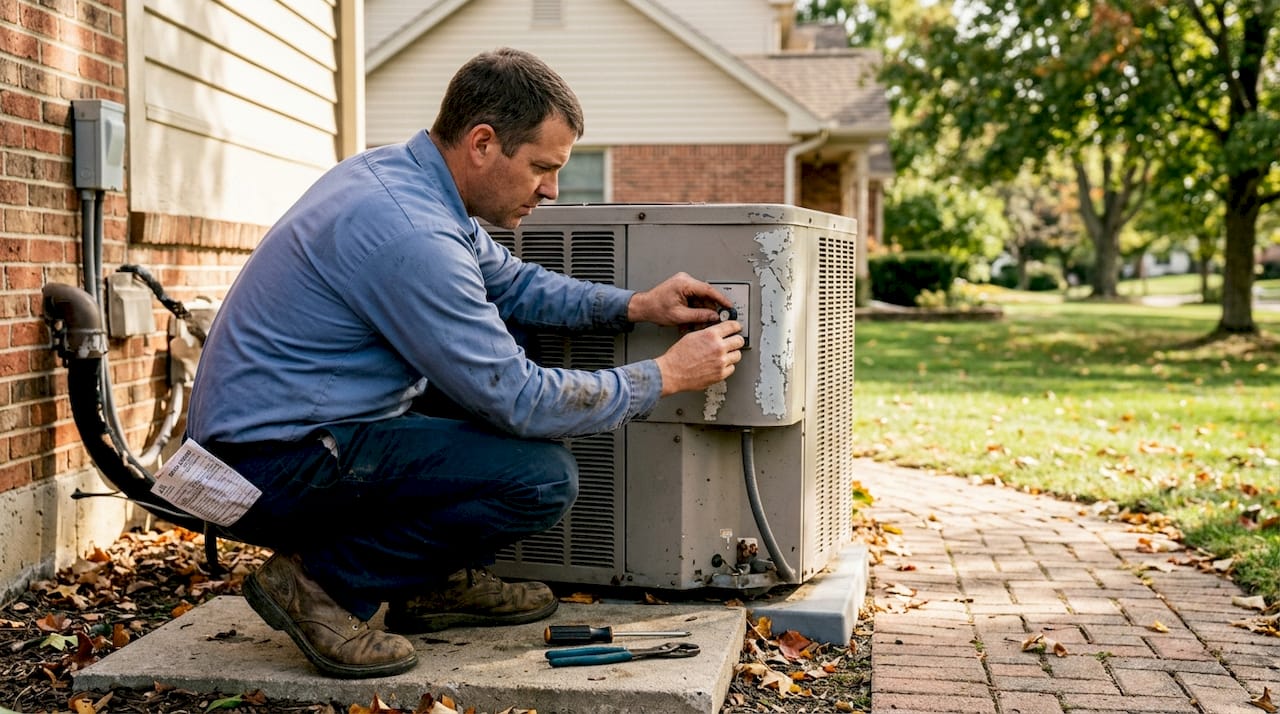
Component efficiency comparison:
| Component | Standard system | Eco-friendly upgrade |
|---|---|---|
| Air conditioner | SEER 8-10 | SEER 16-25+ |
| Fan motor | Single-speed | Variable-speed |
| Thermostat | Manual | Smart/programmable |
| Refrigerant | R-22 (phased out) | R-410A or R-32 |
Regular maintenance ties everything together. HVAC tune-ups can improve efficiency by 20% or more, which means a well-maintained older system can outperform a neglected newer one. The EPA advice on green HVAC consistently highlights maintenance as a top priority for reducing environmental impact.
What to prioritize in an eco-friendly system:
- High SEER-rated cooling equipment
- Variable-speed air handlers
- Smart or programmable thermostats
- Low-GWP refrigerants
- Sealed and insulated ductwork
Pro Tip: A professional tune-up catches refrigerant leaks, dirty coils, and airflow issues that you simply can’t spot yourself. These small problems silently drain efficiency for months before they become obvious.
Eco-friendly HVAC options for Southern California homes
Understanding the components is key, but which eco-friendly HVAC options make sense for Southern California homes?
Orange County and Los Angeles County have a mild Mediterranean climate. That’s actually great news for eco-friendly HVAC. You don’t need the heavy-duty heating systems required in colder states, which means heat pumps and ductless systems are particularly well-suited here.
Ductless mini-split systems are gaining ground as an eco-friendly choice for mild California climates. They’re flexible, efficient, and easy to install in older homes that weren’t built with central ductwork. You can cool or heat individual rooms without wasting energy on spaces that aren’t in use.
ENERGY STAR-certified air conditioners are another strong option. These units meet strict efficiency guidelines set by the EPA and DOE. You can browse ENERGY STAR HVAC options to compare models and find ones that qualify for rebates. In California, utility companies and state programs frequently offer cash-back incentives for certified equipment.
Popular eco-friendly HVAC options for SoCal homes:
- Heat pump systems (air-source and mini-split)
- ENERGY STAR-certified central air conditioners
- Ductless mini-split systems
- Smart thermostat upgrades
- Solar-ready HVAC systems
Modern units can cut HVAC energy use by up to 30% compared to older equipment. That’s a meaningful reduction for homeowners dealing with rising electricity rates.
Steps to upgrade your HVAC the right way:
- Schedule a home energy assessment to identify inefficiencies
- Research ENERGY STAR-certified models that fit your home’s size
- Check California utility and state rebate programs before purchasing
- Hire a licensed HVAC contractor for installation
- Schedule outdoor unit maintenance after installation to confirm proper setup
- Book an annual HVAC inspection to keep efficiency high year after year
Don’t overlook the option of retrofitting your existing system before replacing it entirely. Sealing ducts, adding a smart thermostat, and replacing filters with higher-rated options can meaningfully improve performance without a full system swap.
How to maximize the impact of your eco-friendly HVAC system
After selecting an eco-friendly HVAC solution, here’s how to ensure you maximize your investment.
Buying a green system is only the beginning. How you use and maintain it determines whether you actually see the savings and environmental benefits over time. The difference between a well-maintained eco-friendly system and a neglected one is enormous.
Annual maintenance can extend HVAC life by 25% and save up to 20% on energy. That’s not a minor benefit. Over a 15-year system lifespan, those savings add up to thousands of dollars. Combine that with a longer-lasting system, and the return on professional maintenance is hard to argue with.
Smart thermostats are your best friend here. They learn your schedule, adjust temperatures automatically, and give you real-time data on your energy use. Pair one with your energy efficient HVAC guide recommendations, and you’ll have a clear picture of where your energy dollars go.
Your eco-friendly HVAC maintenance routine:
- Replace air filters every 1-3 months depending on usage
- Schedule a professional tune-up once a year, ideally before summer
- Check and clean the outdoor unit monthly during heavy-use seasons
- Program your smart thermostat to match your actual daily schedule
- Inspect ductwork for leaks and seal any gaps you find
- Review your HVAC maintenance tips to stay current on best practices
- Document every service visit with dates and technician notes
“A well-maintained eco-friendly HVAC system can last years longer and cost significantly less to operate than one that’s ignored between breakdowns.”
Pro Tip: Always keep a folder, physical or digital, with your service records, warranty documents, and rebate receipts. Many California utility rebates require proof of professional installation and maintenance, and warranties can be voided without documented service history.
For more efficient HVAC use tips, the American Council for an Energy-Efficient Economy offers practical, research-backed guidance that goes beyond the basics.
Why eco-friendly HVAC matters more than ever in 2026
Here’s an honest take that most HVAC articles skip over. The conversation about eco-friendly HVAC isn’t just about saving money or reducing emissions in some abstract sense. It’s about what your home can actually handle during a Southern California heat wave.
We’ve seen summers get hotter and more unpredictable. An older, inefficient system doesn’t just cost more to run. It struggles to keep up when temperatures spike, leaving your family uncomfortable and your system running near its breaking point. Homeowners who upgraded to modern, efficient systems in recent years consistently report better comfort during extreme heat, not just lower bills.
The role of HVAC in home comfort is something we feel directly every summer. Resilience matters as much as efficiency. A well-designed eco-friendly system is built to handle demand without burning out.
Many local homes still run on equipment that’s 15 or 20 years old. The technology gap between those systems and what’s available today is enormous. Catching up isn’t just good for the planet. It’s good for your daily comfort, your home’s resale value, and your peace of mind when the next heat wave hits. What you choose today genuinely shapes how your home performs tomorrow.
Get expert help with your eco-friendly HVAC needs
Ready to upgrade or maintain your HVAC for peak eco-friendly performance? Here’s how to get support.
Navigating eco-friendly HVAC upgrades is much easier with a certified local team in your corner. From selecting the right equipment to handling installation and ongoing maintenance, having professionals who know Orange County and Los Angeles County homes makes a real difference.
Our HVAC repair experts at MDTECH Appliance Repair are ready to help you assess your current system, recommend the best eco-friendly upgrades for your home, and keep everything running at peak efficiency. Whether you need HVAC maintenance help or want to explore the full benefits of professional HVAC tune-up benefits, our licensed technicians are available across both counties. Book your appointment online today and take the first step toward a more efficient, comfortable, and eco-friendly home.
Frequently asked questions
How can I tell if my HVAC system is eco-friendly?
Your system is eco-friendly if it carries high SEER ratings, uses smart controls, and receives regular professional maintenance to keep efficiency levels where they should be.
Are there any California incentives for eco-friendly HVAC upgrades?
Yes, California regularly offers rebates and incentives for ENERGY STAR-certified equipment, and many local utilities add their own cash-back programs on top of state-level savings.
What maintenance is required for eco-friendly HVAC systems?
Annual professional check-ups, regular filter changes every one to three months, and smart thermostat programming are the core habits that keep eco-friendly systems running efficiently year after year.
Will upgrading to an eco-friendly system save money on energy bills?
Yes, many homeowners cut energy costs by up to 30% after switching to modern eco-friendly HVAC equipment, with additional savings from rebates and reduced repair frequency.