
A single plumbing emergency can cost over $5,000 when you factor in water damage remediation. Most Orange County homeowners assume plumbing problems strike without warning, but the truth is different. Hidden leaks, corroding pipes, and slow drain buildups develop over months before causing catastrophic failures. Regular plumbing inspections catch these issues early, preventing expensive emergencies and protecting your home investment. This guide explains what professional checks involve, why they’re especially critical in Orange and Los Angeles Counties, and how proactive maintenance saves you thousands in repair costs.
Table of Contents
- Key takeaways
- The hidden cost of neglecting plumbing maintenance
- What regular plumbing inspections involve: techniques and frequency
- Unique plumbing challenges in Orange and Los Angeles Counties
- California plumbing codes and regulations: what homeowners should know
- Ensure your home’s plumbing health with trusted local experts
- Frequently asked questions
Key Takeaways
| Point | Details |
|---|---|
| Prevent costly emergencies | Regular plumbing inspections catch slow leaks and emerging failures before they cause water damage or a full system breakdown. |
| Annual inspection scope | Licensed technicians perform leak detection, camera inspections of drain lines, hydro jetting for drain cleaning, water heater flushing, and pressure testing. |
| Regional aging risks | Orange County and Los Angeles homes face slab leaks, corroded pipes, and other age related issues that raise the risk of expensive failures. |
| Savings 15 to 20 percent | Proactive maintenance reduces annual repair costs by about 15 to 20 percent. |
The hidden cost of neglecting plumbing maintenance
Skipping regular plumbing checks creates a financial time bomb in your home. Emergency plumbing failures average over $5,000 when you include water damage remediation, which typically ranges from $3,500 to $7,000. These aren’t rare occurrences. Thousands of Orange County and Los Angeles County homeowners face sudden pipe bursts, slab leaks, and water heater failures each year because small problems went undetected.
The math tells a compelling story. Homes without regular maintenance face significantly higher risk for sudden failures that require emergency service calls, premium labor rates, and extensive damage repair. Meanwhile, proactive maintenance reduces repair costs by 15-20% annually. A $200 annual inspection that catches a slow leak saves you from a $4,000 emergency repair and prevents secondary damage to flooring, drywall, and personal belongings.
Most homeowners underestimate how slow plumbing issues develop. A pinhole leak in a copper pipe might drip for months behind a wall before the water stain appears. Mineral buildup narrows pipe diameter gradually, reducing water pressure so slowly you adapt without noticing. Tree roots penetrate sewer lines through tiny cracks, expanding over seasons until a complete blockage forces sewage backup into your home.
Consider these common scenarios that lead to expensive disasters:
- Corroded water heater tanks leak slowly, damaging subflooring before visible signs appear
- Cast iron drain pipes develop rust holes that allow sewer gases and water seepage
- High water pressure stresses pipe joints, creating weak points that eventually burst
- Sediment accumulation in pipes restricts flow and accelerates corrosion
“The difference between a $150 repair and a $5,000 disaster is often just six months of neglect. Regular inspections give you the early warning that prevents catastrophic failures.”
Your home’s plumbing system operates under constant stress. Water pressure, temperature fluctuations, chemical reactions, and mechanical wear gradually degrade pipes, fixtures, and connections. Without professional monitoring, you’re gambling that nothing fails at an inconvenient time. Understanding why regular appliance maintenance matters extends to your entire home infrastructure, including plumbing systems that work silently until they don’t.
What regular plumbing inspections involve: techniques and frequency
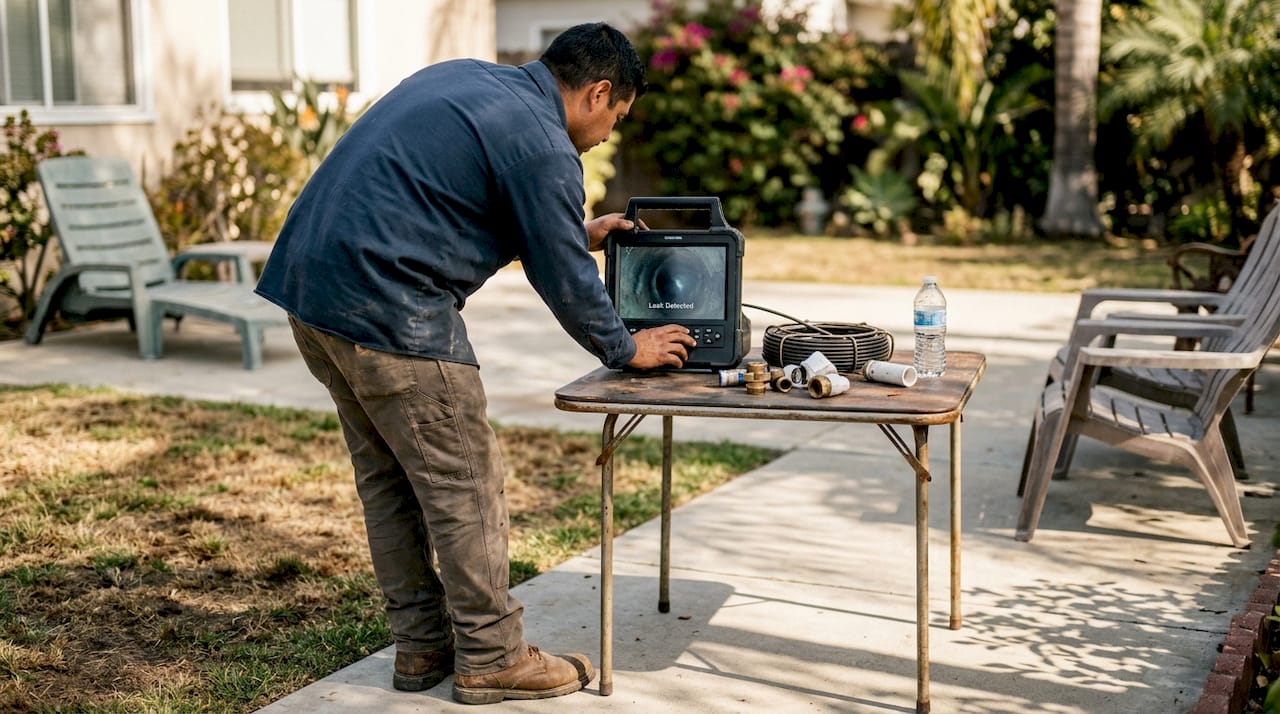
Professional plumbing inspections go far beyond what homeowners can accomplish with visual checks. Licensed technicians use specialized diagnostic equipment to evaluate your entire plumbing system, identifying problems invisible to the untrained eye. Annual inspections include pipe inspections using visual assessment and camera technology, leak detection with pressure testing, drain cleaning through hydro jetting, water heater flushing, pressure testing, and comprehensive fixture checks.
Here’s what happens during a thorough inspection:
- Visual assessment of exposed pipes: Technicians examine accessible plumbing for corrosion, leaks, improper installations, and code violations
- Camera inspection of drain lines: A waterproof camera travels through pipes, revealing cracks, blockages, root intrusion, and structural issues
- Water pressure testing: Measurements ensure your system operates within safe ranges, typically 40 to 80 psi
- Leak detection: Infrared cameras and acoustic sensors locate hidden leaks behind walls and under slabs
- Drain cleaning evaluation: Technicians assess buildup and recommend hydro jetting to remove grease, mineral deposits, and debris
- Water heater inspection: Flushing removes sediment, anode rod checks prevent tank corrosion, and safety valve testing ensures proper operation
- Fixture functionality: Faucets, toilets, and appliance connections get tested for leaks, proper operation, and efficiency
Hydro jetting deserves special attention because it outperforms chemical drain cleaners significantly. This process uses high pressure water streams to scour pipe interiors, removing years of accumulated grease, soap scum, and mineral deposits. Unlike chemicals that provide temporary relief, hydro jetting restores pipes to near original diameter and prevents future blockages for years.
Pro Tip: Schedule inspections in early spring or fall when plumbers have more availability and can offer better rates than during peak summer or winter emergency seasons.
Inspection frequency depends on several factors. Most homes benefit from annual checks, but older properties or those with known issues need more frequent attention. Consider this breakdown:
| Home age | Recommended frequency | Key focus areas |
|---|---|---|
| Under 15 years | Every 18-24 months | Fixture checks, basic visual inspection |
| 15-30 years | Annually | Pipe condition, water heater, drain health |
| Over 30 years | Every 6-12 months | Slab leaks, cast iron deterioration, full diagnostics |
| Known issues | Quarterly | Problem areas plus comprehensive system check |
Your plumbing system’s complexity means different components age at different rates. Water heaters typically last 8 to 12 years. Copper pipes can serve 50 years or more, while galvanized steel pipes often fail after 20 to 50 years. Cast iron drain pipes in older homes become particularly vulnerable after 50 years. Regular inspections track this aging process and help you plan replacements before emergencies strike.
Integrating plumbing checks with your broader home maintenance strategy maximizes value. Following an appliance maintenance checklist essential steps approach ensures nothing gets overlooked. Just as annual HVAC inspection boosts efficiency and saves money, plumbing maintenance delivers similar returns through prevented failures and optimized performance.
Unique plumbing challenges in Orange and Los Angeles Counties
Orange County and Los Angeles County homes face specific plumbing vulnerabilities that make regular inspections especially critical. Geography, climate, building history, and local water characteristics create a perfect storm of factors that accelerate plumbing system deterioration. Older homes built pre-1970s face particular risks including cast iron pipe failure, slab leaks, tree root intrusion, and problems from high water pressure, while coastal areas battle corrosion from salt air and humidity.
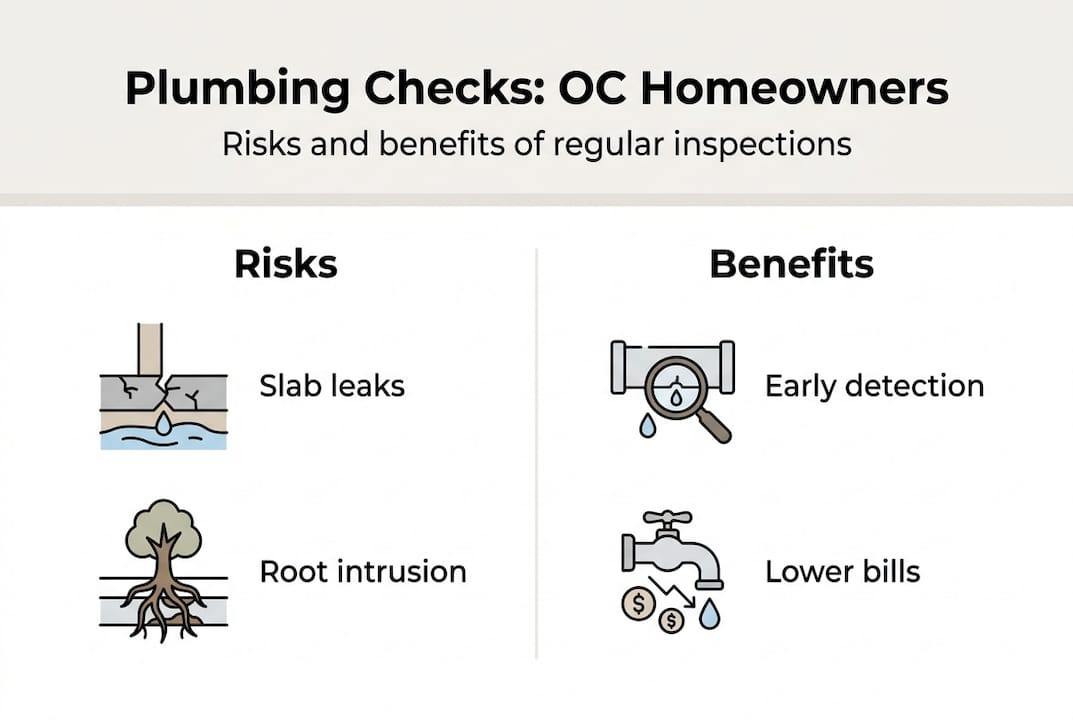
Slab leaks represent one of the most expensive plumbing problems in Southern California. These leaks occur when pipes running through or under your home’s concrete foundation develop cracks or holes. The combination of concrete settling, seismic activity, soil composition, and copper pipe corrosion creates conditions where slab leaks develop more frequently here than in many other regions. Detecting them early prevents foundation damage, mold growth, and structural issues that can cost $10,000 or more to remediate.
Coastal proximity affects plumbing in ways many homeowners don’t realize. Salt air accelerates corrosion on exposed pipes, fixtures, and water heaters. Homes within five miles of the ocean experience noticeably faster deterioration of metal components. Copper pipes develop pinhole leaks sooner, galvanized steel corrodes from the inside out, and fixture finishes degrade despite regular cleaning.
Tree root intrusion plagues Orange County properties with mature landscaping. Popular Southern California trees like magnolias, willows, and pepper trees send aggressive root systems searching for water sources. Your sewer line provides exactly what they seek. Roots enter through tiny cracks or loose joints, then expand inside the pipe until complete blockages occur. Camera inspections catch root intrusion early when cutting and treating roots costs hundreds instead of thousands for line replacement.
| Risk factor | Homes most affected | Inspection priority |
|---|---|---|
| Slab leaks | Pre-1980 construction, areas with reactive soil | Annual camera inspection, pressure testing |
| Cast iron deterioration | Homes built 1950-1970 | Drain camera checks, backup prevention |
| Coastal corrosion | Within 5 miles of ocean | Metal pipe assessment, anode rod checks |
| Root intrusion | Properties with mature trees | Sewer line camera every 1-2 years |
| High pressure damage | Areas with municipal pressure over 80 psi | Pressure regulation, joint inspection |
Local water characteristics also impact your plumbing. Orange County and LA County water contains varying mineral levels depending on your specific water district. Hard water with high calcium and magnesium content accelerates scale buildup in pipes and water heaters, reducing efficiency and lifespan. Some areas receive water with higher chlorine levels that can degrade rubber seals and gaskets faster than normal.
Pro Tip: If your home was built before 1980 and sits on a concrete slab, prioritize camera inspections specifically targeting under slab lines. Early detection of slab leaks saves tens of thousands in foundation and structural repairs.
Understanding these regional challenges helps you communicate effectively with plumbing professionals. When scheduling plumbing pipe repair orange county california services, mention your home’s age, proximity to the coast, and any mature trees on your property. This information helps technicians focus inspections on your highest risk areas. Learning about understanding plumbing inspections orange LA homes provides additional context for making informed maintenance decisions.
California plumbing codes and regulations: what homeowners should know
California maintains some of the nation’s strictest plumbing codes, and for good reason. These regulations protect public health, conserve water resources, and ensure home safety. California Plumbing Code 2022/2025 mandates permits for major work, requires WaterSense fixtures, and enforces backflow prevention, with Orange County and Los Angeles County adding local amendments that address regional concerns.
Permit requirements catch many homeowners off guard. Any work beyond simple fixture replacement typically requires a permit. This includes water heater installations, pipe rerouting, sewer line repairs, and gas line work. Permits aren’t bureaucratic obstacles but rather safety checkpoints that ensure work meets code standards. Unpermitted work can complicate home sales, void insurance claims, and create liability if problems arise.
Water conservation mandates reflect California’s ongoing drought concerns. New construction and major renovations must include:
- WaterSense labeled toilets using 1.28 gallons per flush or less
- Low flow showerheads and faucets meeting EPA standards
- High efficiency water heaters with energy factor ratings above minimum thresholds
- Pressure regulators preventing waste from excessive water pressure
Backflow prevention requirements protect municipal water supplies from contamination. Homes with irrigation systems, pools, or certain appliances need backflow prevention devices installed and tested annually. These relatively inexpensive devices prevent water from flowing backward into public water lines, carrying potential contaminants.
Orange County and Los Angeles County enforce additional local amendments addressing specific regional needs. Some cities require earthquake shutoff valves on gas lines. Coastal communities mandate corrosion resistant materials for exposed piping. Areas with known sewer capacity issues restrict what homeowners can discharge into municipal systems.
Pro Tip: Before hiring any plumber for major work, verify their license through the California Contractors State License Board website and confirm they’ll pull necessary permits. Licensed contractors understand local codes and ensure your repairs meet legal standards.
Code compliance isn’t just about avoiding fines. Proper installations last longer, perform better, and protect your home investment. A water heater installed to code includes proper venting, seismic strapping, expansion tanks where required, and temperature/pressure relief valve drainage. These details prevent carbon monoxide poisoning, earthquake damage, tank explosions, and water damage from relief valve discharge.
Working with certified plumbers ensuring safe plumbing 2026 standards means your repairs meet current code requirements. Licensed professionals stay current on regulation changes and understand how local amendments affect your specific property. They also carry proper insurance protecting you from liability if accidents occur during work.
Code requirements evolve regularly as new technologies emerge and environmental priorities shift. The 2025 California Plumbing Code updates include stricter efficiency standards and expanded requirements for graywater systems. Staying informed helps you plan renovations and understand why certain repairs cost what they do. Much of the expense in professional plumbing work reflects the time and materials needed to meet stringent safety and efficiency standards that protect you and your community.
Ensure your home’s plumbing health with trusted local experts
Protecting your Orange County or Los Angeles County home from plumbing disasters starts with one decision: partnering with experienced local professionals who understand regional challenges. The information in this guide shows why reactive approaches cost far more than proactive maintenance. Professional inspections using camera technology, pressure testing, and hydro jetting catch problems months or years before they become emergencies.
Our licensed technicians serve homeowners throughout Orange and Los Angeles Counties with comprehensive plumbing services designed for Southern California homes. We understand slab leak risks in older properties, coastal corrosion challenges, and local code requirements that affect your repairs. Whether you need emergency response or scheduled maintenance, our team brings the diagnostic tools and expertise that protect your home investment. Explore our emergency plumbing repair services available 24/7, learn more about understanding plumbing inspections Orange LA homes, or schedule plumbing pipe repair Orange County services that prevent small issues from becoming costly disasters.
Frequently asked questions
How often should I schedule a plumbing inspection?
Most homeowners benefit from annual plumbing inspections that catch developing problems before they escalate. Homes built before 1980 or properties with known plumbing issues should consider inspections every six months. Your inspection frequency depends on home age, plumbing system condition, and whether you’ve experienced past problems. Regular checks cost far less than emergency repairs and give you peace of mind that your plumbing system operates safely. Learn more about plumbing inspections frequency recommendations for Orange and LA County homes.
What are the warning signs of plumbing problems to watch for?
Watch for water stains on ceilings or walls, which indicate hidden leaks requiring immediate attention. Slow draining sinks or tubs signal blockages developing in your drain lines. Unusual sounds like banging pipes, gurgling drains, or hissing from fixtures suggest pressure problems or air in lines. Unexplained spikes in your water bill often reveal leaks you haven’t noticed yet. Musty odors, especially in bathrooms or kitchens, can indicate moisture problems from slow leaks. Recognizing these signs early and calling professionals prevents damage escalation and reduces repair costs significantly. Understanding recognizing plumbing problem signs helps you act quickly when issues develop.
Can I perform plumbing checks myself or should I hire a professional?
Homeowners can perform basic visual inspections checking for obvious leaks, testing faucets and toilets, and monitoring water pressure. However, professional inspections provide value you can’t replicate with DIY approaches. Licensed plumbers use camera equipment to see inside pipes, pressure testing to detect hidden leaks, and diagnostic tools that identify problems before visible symptoms appear. Professionals also understand local codes and can spot installations that don’t meet current standards. The cost of an annual inspection is minimal compared to the expensive problems that go undetected without professional equipment and expertise. Consider DIY vs professional plumbing inspections when deciding how to maintain your home’s plumbing system.
How do California plumbing codes impact home repairs?
California Plumbing Code mandates permits for most repairs beyond simple fixture replacement, ensuring work meets safety standards. The code requires water saving fixtures like low flow toilets and showerheads, helping conserve resources during ongoing drought conditions. Backflow prevention devices protect public water supplies from contamination, with annual testing required for many properties. Orange County and Los Angeles County add local amendments addressing regional concerns like earthquake safety and coastal corrosion. Licensed plumbers familiar with these requirements ensure your repairs meet legal standards, protect your home investment, and avoid complications during home sales or insurance claims. Working with professionals who understand California plumbing code compliance saves you from costly mistakes and ensures repairs that last.