
TL;DR:
- Implementing a regular HVAC maintenance schedule can reduce energy use by up to 25% and extend system lifespan by over a decade. Monthly tasks include filter replacement, vent cleaning, and thermostat checks, while quarterly maintenance involves drain line flushing and duct inspections. Bi-annual professional tune-ups address refrigerant, electrical, and coil issues, preventing costly failures and improving efficiency.
An HVAC maintenance checklist is a systematized schedule of tasks homeowners perform monthly, quarterly, and bi-annually to keep heating and cooling systems running efficiently. Proper HVAC maintenance reduces energy use by 15–25% and extends equipment life by 8–10 years. Skipping these tasks costs you more than time. Neglected systems consume 20% more energy and fail at repair costs 3–5 times higher than maintained ones. This hvac maintenance checklist 2025 covers every task tier, from quick monthly checks to professional tune-ups, so your system stays reliable through every season in Orange County and beyond.
1. What does a monthly HVAC maintenance checklist include?
Monthly tasks form the foundation of any solid HVAC system maintenance plan. They take under 30 minutes and prevent the most common failure points before they become expensive repairs.
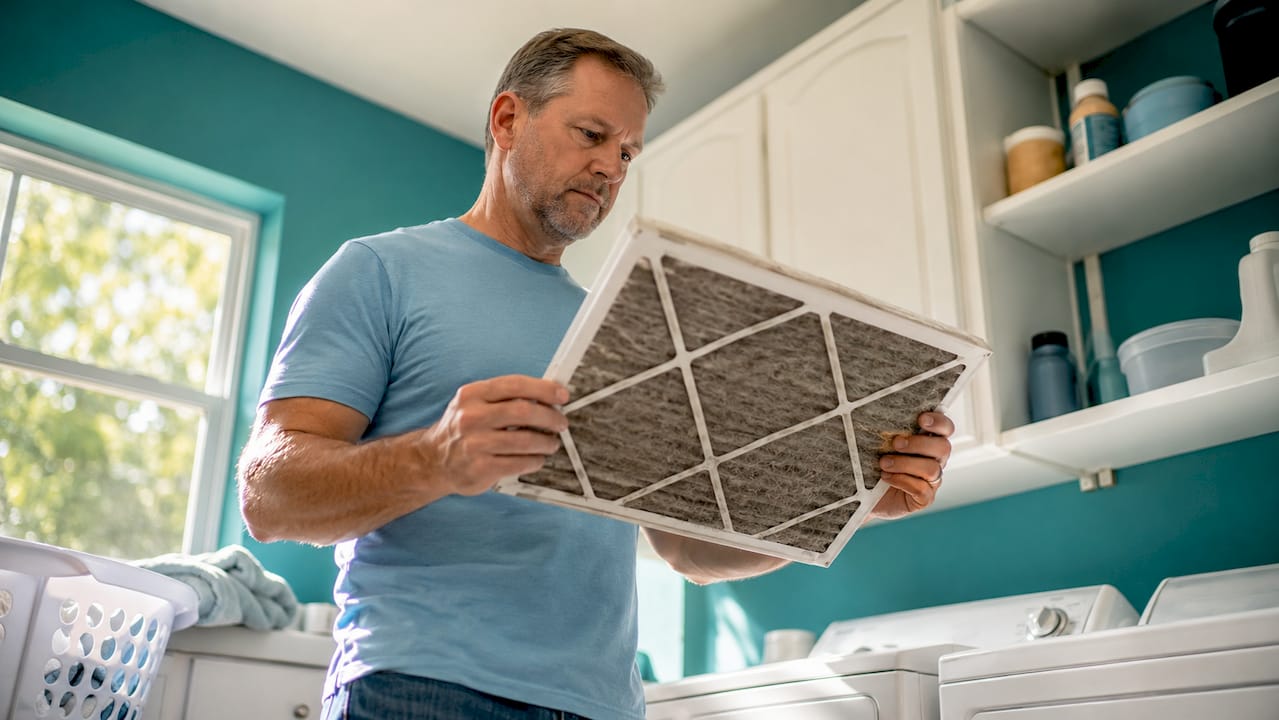
Air filter inspection and replacement tops every monthly list. Replace air filters every 1–3 months depending on your household. Homes with pets, smokers, or dusty environments need replacement closer to the 30-day mark. MERV 8–11 rated filters strike the right balance between air quality and airflow. Filters with higher MERV ratings can restrict airflow too much in standard residential systems, which strains the blower motor.
Pro Tip: Always check the airflow arrow printed on your filter’s frame. The arrow must point toward the HVAC unit, not away from it. A reversed filter blocks airflow and forces your system to work harder.
Here are the core monthly tasks every homeowner should complete:
- Inspect and replace air filters (MERV 8–11 recommended)
- Vacuum supply and return vents to clear dust buildup
- Clear at least 2 feet of debris, leaves, and vegetation from the outdoor condenser unit
- Check thermostat batteries and confirm settings are correct for the season
- Listen for unusual sounds like rattling, grinding, or clicking during startup
Thermostat settings matter more than most homeowners realize. Keeping the fan set to “Auto” prevents indoor humidity problems and avoids the energy waste caused by running the fan continuously. The “On” setting keeps air circulating but drives up your electricity bill and pulls more moisture into the system.
2. What quarterly tasks support long-term HVAC performance?
Quarterly maintenance goes deeper than monthly checks. These tasks address the parts of your system that accumulate buildup slowly and cause failures that look sudden but were months in the making.
Flush the condensate drain line every 2–3 months. Algae clogs in the condensate drain are one of the most common causes of water damage near air handlers. Pour a cup of white vinegar into the drain access port to kill algae before it blocks the line. If you see standing water in the drain pan, the clog has already formed and needs immediate attention.
Pro Tip: Mark your calendar for the first day of each new season as your quarterly maintenance reminder. Seasonal transitions are when HVAC systems shift workloads and when small problems become big ones.
Additional quarterly tasks include:
- Gently rinse condenser fins with a garden hose to remove dirt and debris
- Inspect visible ductwork in your attic or crawlspace for gaps, disconnected sections, or visible leaks
- Test carbon monoxide and smoke detectors near your furnace or air handler
- Check refrigerant lines for ice buildup or frost, which signals a low refrigerant issue
The table below shows how quarterly tasks compare in terms of effort and impact on system efficiency:
| Task | Effort Level | Efficiency Impact | Risk if Skipped |
|---|---|---|---|
| Flush condensate drain | Low | Moderate | Water damage, mold growth |
| Rinse condenser fins | Low | High | Reduced cooling capacity |
| Inspect ductwork | Moderate | High | 20–30% energy loss |
| Test safety detectors | Very low | Safety critical | Carbon monoxide risk |
| Check refrigerant lines | Low | High | Coil freeze, compressor damage |
Restricted airflow is the primary root cause of most HVAC failures. Every quarterly task on this list either protects airflow or catches a condition that will restrict it. That connection is not coincidental.
3. Which bi-annual professional tune-up services are worth the cost?
Professional tune-ups are the tasks you cannot safely or accurately do yourself. A licensed technician brings calibrated tools, refrigerant handling certification, and the experience to catch problems that look fine to an untrained eye.
Professional HVAC tune-ups cost $150–$400 annually when scheduled twice per year. That figure covers a spring cooling system check and a fall heating system check. Maintenance plan subscribers typically receive priority scheduling, parts discounts, and no overtime charges for emergency calls.
The table below compares what homeowners can handle versus what requires a professional:
| Task | DIY | Professional | Frequency |
|---|---|---|---|
| Filter replacement | Yes | No | Monthly |
| Condensate drain flush | Yes | No | Quarterly |
| Refrigerant level check | No | Yes | Bi-annual |
| Electrical connection tightening | No | Yes | Bi-annual |
| Thermostat calibration | Partial | Yes | Bi-annual |
| Lubrication of moving parts | No | Yes | Bi-annual |
| Coil cleaning (evaporator/condenser) | No | Yes | Annual |
The return on this investment is significant. Preventive HVAC maintenance reduces emergency breakdowns by up to 70% and delivers a 545% return on investment. That ROI reflects avoided repair costs, lower energy bills, and extended equipment lifespan combined. Skipping a $200 tune-up to save money often leads to a $1,500 compressor repair within two years.
Schedule your spring tune-up in march or april before peak cooling demand hits. Book your fall tune-up in september or october before the first heating cycle of the season. Technicians are less busy and more available during those windows.
4. How do airflow and duct maintenance improve HVAC efficiency?
Duct integrity is the most underestimated factor in residential HVAC performance. Most homeowners never look at their ductwork after installation, yet it silently wastes energy every day.
About 20–30% of conditioned air is lost through duct leaks in typical homes. That means your system may be producing the right amount of heating or cooling but delivering only 70–80% of it to your living spaces. The rest escapes into your attic, crawlspace, or wall cavities.
How to inspect your ductwork without a professional:
- Access your attic or crawlspace and visually scan all visible duct sections
- Feel along joints and connections for air movement while the system runs
- Look for disconnected flex duct sections, torn insulation, or gaps at metal joints
- Check for dark streaks or dust rings around duct connections, which indicate air leakage
Pro Tip: Standard duct tape fails on HVAC ducts within months due to heat and humidity cycling. Use mastic sealant for permanent repairs or metal foil-backed HVAC tape for accessible joints. Both products are available at Home Depot and Lowe’s for under $20.
Blocked vents inside your home cause the same damage as duct leaks. Furniture placed over floor registers, closed vents in unused rooms, and dirty grilles all restrict airflow back to the system. That restriction raises static pressure inside the duct system, which forces the blower motor to work harder and shortens its lifespan. Keep all supply and return vents clear and open, even in rooms you rarely use.
For a broader look at how indoor air quality connects to duct cleanliness, the relationship between dust accumulation and filter load is direct. Cleaner ducts mean longer filter life and better air quality throughout your home.
The annual HVAC inspection process covers duct integrity as a standard checklist item, which is one reason professional inspections catch problems that DIY checks miss.
Key Takeaways
A consistent HVAC maintenance schedule combining monthly DIY tasks, quarterly cleaning, and bi-annual professional tune-ups reduces energy use by up to 25% and cuts emergency breakdown risk by up to 70%.
| Point | Details |
|---|---|
| Monthly filter checks | Replace MERV 8–11 filters every 30–90 days to protect airflow and air quality. |
| Quarterly drain flushing | Pour vinegar into the condensate drain every 2–3 months to prevent algae clogs. |
| Bi-annual professional tune-ups | Schedule spring and fall visits for refrigerant checks, electrical tightening, and calibration. |
| Duct sealing saves energy | Use mastic or foil-backed tape to seal leaks and recover 20–30% of lost conditioned air. |
| Thermostat fan setting | Keep the fan on “Auto” to avoid humidity buildup and unnecessary energy use. |
What I’ve learned from years of HVAC service calls
The homeowners who call us in a panic in july are almost always the ones who skipped their spring tune-up. That pattern is consistent. It is not bad luck. It is deferred maintenance catching up at the worst possible time.
The biggest oversight I see is not the filter. Most homeowners know about filters now. The real blind spot is the condensate drain. A clogged drain line causes water to back up into the air handler, which can damage the blower motor, warp the cabinet, and grow mold inside the unit. A cup of vinegar every three months prevents all of that. The fix costs nothing. The repair costs hundreds.
The second oversight is duct sealing. Homeowners are genuinely surprised when I tell them they are losing nearly a third of their conditioned air before it reaches the living room. That loss shows up on every utility bill, but nobody connects the dots until a technician points to the gap in the attic flex duct.
My honest recommendation: do the monthly and quarterly tasks yourself. They are simple, fast, and high-impact. Then invest in two professional tune-ups per year. The preventive versus predictive maintenance distinction matters here. DIY tasks are preventive. Professional visits catch the predictive signals, the refrigerant pressure reading that is slightly off, the capacitor that is weakening, the heat exchanger with a hairline crack. Those findings save systems and sometimes lives.
The homeowners who follow this schedule consistently get 15–20 years out of systems that average 12–15 years with typical care. That extra lifespan is worth thousands of dollars in delayed replacement costs.
— MDTECH
How Appliancesrepairmdtech keeps your HVAC running in Orange County
Appliancesrepairmdtech serves homeowners across Irvine, Orange County, and Los Angeles County with licensed HVAC technicians ready for both scheduled maintenance and urgent repairs. Whether you need a spring cooling tune-up or a mid-summer emergency diagnosis, the team handles refrigerant checks, electrical inspections, coil cleaning, and full system testing. Booking is available online, and maintenance plan members receive priority scheduling with no overtime charges. If your system is showing signs of strain or you have not had a professional inspection this year, now is the right time to act. Explore HVAC repair services in Irvine and schedule your next visit with Appliancesrepairmdtech today.
FAQ
How often should I replace my HVAC air filter?
Replace your air filter every 1–3 months. Homes with pets, smokers, or high dust levels need replacement closer to every 30 days.
What does a professional HVAC tune-up include?
A professional tune-up covers refrigerant level checks, electrical connection tightening, lubrication of moving parts, thermostat calibration, and coil cleaning. These tasks require certified technicians and specialized tools.
How do I know if my ducts are leaking?
Feel along duct joints while your system runs and look for dark dust streaks around connections. A 20–30% drop in conditioned air delivery to rooms is a common sign of significant duct leakage.
What is the best MERV rating for home air filters?
MERV 8–11 filters are the right range for most homes. They capture dust, pollen, and pet dander without restricting airflow enough to strain the blower motor.
How much does an annual HVAC maintenance plan cost?
Most maintenance plans run $150–$400 per year and cover two professional tune-ups. Plans typically include priority service, parts discounts, and waived overtime fees for emergency calls.