
TL;DR:
- High efficiency furnaces have an AFUE of 90% or higher, capturing more heat from fuel.
- In Southern California, energy savings are modest, with comfort and air quality benefits being more significant.
- Upfront costs are higher, and payback periods can span 10 to 20 years due to the mild climate.
Most homeowners in Orange County and Los Angeles County expect a high efficiency furnace to slash their monthly gas bills in half. That expectation is understandable, but it often leads to disappointment. The real story is more nuanced and, in many ways, more interesting. Southern California’s mild winters mean your heating system doesn’t run nearly as long as a furnace in Chicago or Denver would, so the pure energy savings are modest. What you actually gain is something that has a bigger impact on daily life: consistent warmth, quieter operation, cleaner air, and a system that works with your home instead of against it.
Table of Contents
- What is a high efficiency furnace?
- How do high efficiency furnaces save energy?
- Cost vs. benefit: What Orange and LA homeowners can expect
- Is a high efficiency furnace right for your home?
- The surprising truth about high efficiency furnaces in Southern California
- Get personalized help choosing the right furnace
- Frequently asked questions
Key Takeaways
| Point | Details |
|---|---|
| High efficiency definition | A high efficiency furnace is a gas furnace with an AFUE rating of 90% or higher. |
| Comfort over savings | In Southern California, comfort gains often outweigh energy savings for high efficiency furnace upgrades. |
| Upfront costs | Expect to pay $1,000–$3,500 more upfront compared to standard furnaces. |
| Long ROI | Most homeowners see a payback period of 10–20 years due to mild winters. |
| Expert advice helps | Local guidance ensures you choose the best furnace for your comfort and budget. |
What is a high efficiency furnace?
A high efficiency furnace is not just a marketing label. It has a specific, measurable definition. A high-efficiency furnace is a gas furnace with an AFUE rating of 90% or higher. AFUE stands for Annual Fuel Utilization Efficiency, and it measures what percentage of the fuel your furnace burns actually becomes usable heat inside your home.
A standard furnace typically carries an AFUE rating between 80% and 89%. That means roughly 11 to 20 cents of every dollar you spend on gas escapes out the flue pipe as wasted heat. A 96% AFUE furnace, on the other hand, converts 96 cents of that same dollar into warmth for your living room. Over time, especially in colder climates, that difference adds up significantly.
Here’s how the two categories stack up:
| Feature | Standard furnace (80% AFUE) | High efficiency furnace (90%+ AFUE) |
|---|---|---|
| Heat exchangers | Single | Two (primary and secondary) |
| Exhaust type | Metal flue pipe | PVC plastic pipe |
| Blower motor | Single-speed | Variable-speed or two-stage |
| Combustion air | Draws from inside home | Sealed from outside |
| Installation complexity | Lower | Moderate to high |
The secondary heat exchanger is the key component that separates these systems. Standard furnaces exhaust hot gases at around 300 to 500 degrees Fahrenheit, wasting all that heat. High efficiency models run exhaust gases through a second heat exchanger, cooling them so much that the water vapor in those gases actually condenses. That’s why these systems are also called condensing furnaces. That condensation gives up additional heat energy before the exhaust leaves the home.
Key features you’ll typically find in high efficiency systems include:
- Sealed combustion system that draws outdoor air directly into the burner
- Variable-speed or modulating blower motor for quieter, steadier airflow
- Two-stage or modulating gas valves for precise heat output
- PVC exhaust pipes instead of traditional metal flue venting
- Built-in drain lines to handle condensate water
Pro Tip: If you’re researching whether your current HVAC system is already meeting efficiency standards, our high efficiency HVAC guide walks through the full picture for both heating and cooling equipment.
How do high efficiency furnaces save energy?
After understanding what high efficiency means, let’s see how these furnaces deliver real energy savings through specific design choices.
The condensing technology described above is the biggest factor. By capturing heat that a standard furnace simply throws away, the system extracts more energy from every cubic foot of natural gas it burns. The exhaust gases leave through a PVC pipe at temperatures as low as 100 to 120 degrees Fahrenheit instead of the 400-plus degrees a standard furnace vents. That’s a dramatic improvement in how thoroughly the system uses your fuel.
Here’s a step-by-step look at how energy savings happen inside a high efficiency furnace:
- Sealed combustion draws outside air. This prevents the furnace from pulling already-heated air from inside your home to feed the burner. Standard furnaces consume conditioned indoor air for combustion, and your home then draws in cold drafts to replace it.
- The primary heat exchanger captures initial heat. Hot combustion gases pass through this exchanger, transferring heat into your home’s airflow just like a standard furnace.
- The secondary heat exchanger catches residual heat. Gases that would normally vent outside instead pass through a second stage, giving up more heat before they leave.
- Condensation releases bonus energy. As gases cool past the dew point, water vapor condenses, releasing latent heat energy. This condensate drains away through a pipe.
- Variable-speed blower optimizes airflow. Instead of running at full blast or not at all, these motors ramp up and down continuously, reducing electricity consumption and improving air circulation throughout your home.
A standard versus high efficiency comparison shows real differences in fuel consumption when running at similar outputs. The numbers tell a clear story:
| AFUE rating | Annual fuel cost (estimate, mild climate) | Annual fuel cost (estimate, cold climate) |
|---|---|---|
| 80% AFUE | $650 | $1,800 |
| 90% AFUE | $578 | $1,600 |
| 96% AFUE | $541 | $1,500 |
| 98% AFUE | $531 | $1,469 |
Notice that in a mild climate, the gap between 80% and 96% AFUE is roughly $109 per year. In a cold climate, that same gap is $300 or more annually. This is why climate matters so much when calculating your return on investment.
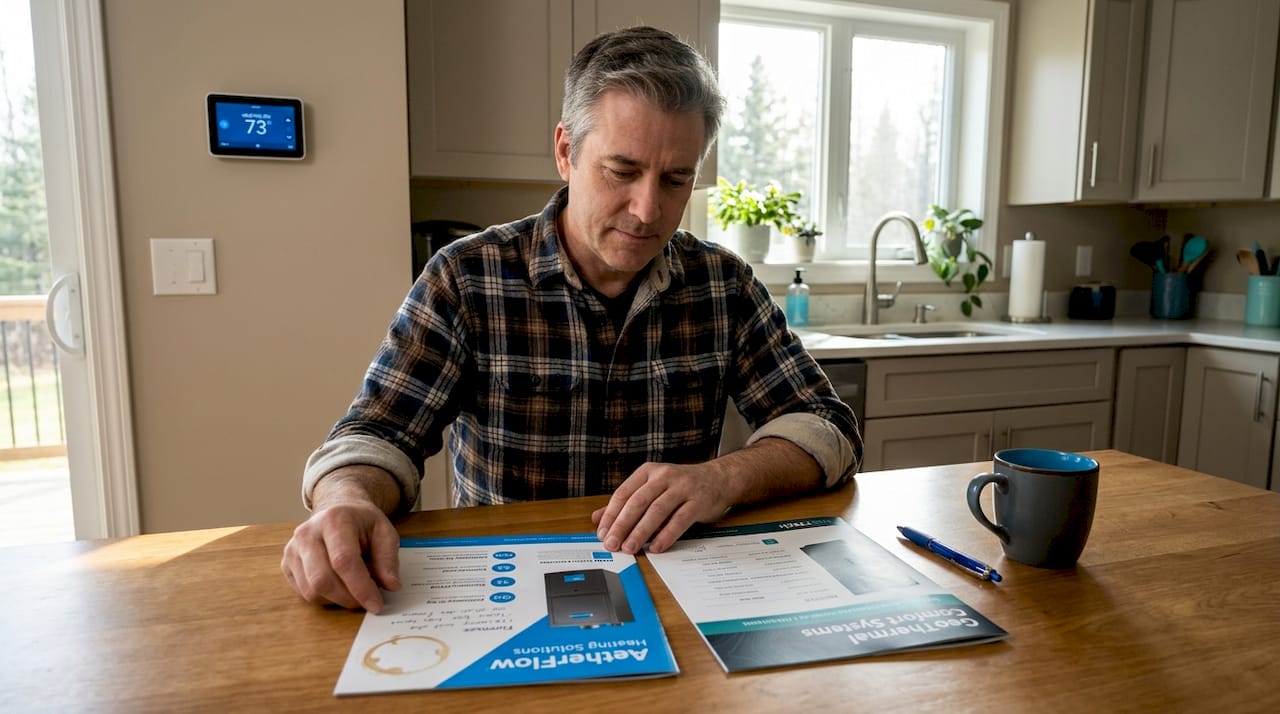
The energy efficient HVAC decisions you make for your whole system work together. A furnace that modulates its output pairs well with a programmable thermostat to squeeze out every bit of efficiency. Our thermostat efficiency tips explain exactly how to optimize those settings for Southern California conditions.
Pro Tip: A variable-speed blower motor not only saves energy but also filters your indoor air more effectively because it runs more continuously at lower speeds, passing more air through your filter throughout the day.
Cost vs. benefit: What Orange and LA homeowners can expect
Let’s move from theory to the numbers that matter for your wallet and comfort.
The first thing to get clear about is the cost difference. Upfront cost premium runs $1,000 to $3,500 above a standard furnace, with total installation costs ranging from $5,000 to $12,000 depending on the unit’s size, features, and your home’s existing setup. That’s a meaningful investment, and it deserves a realistic evaluation.
What affects where you land in that range?
- Home size. Larger homes in Irvine, Thousand Oaks, or Long Beach need higher-capacity units, which cost more.
- Existing venting. High efficiency furnaces use PVC pipes instead of metal flues. If your home needs new venting runs or drainage lines for condensate, labor costs rise.
- Ductwork condition. Poorly sealed or undersized ducts will limit how well any furnace performs. A technician may recommend duct repairs before or during installation.
- Local labor rates. Orange County and Los Angeles County have higher labor costs than national averages, which pushes total install costs toward the higher end of estimates.
- Brand and feature set. Modulating furnaces with advanced controls cost more than basic two-stage models.
On the savings side, the math for Southern California is honest but not dramatic. In mild climates like Southern California, annual heating savings typically range from $50 to $100, with a payback period of 10 to 20 or more years. Compare that to a homeowner in Minneapolis who might save $300 to $400 per year on the same upgrade.
“The energy ROI argument for high efficiency furnaces is strongest in cold climates. In Southern California, homeowners should focus the conversation on comfort, air quality, and system reliability rather than expecting the furnace to pay for itself quickly.”
That’s not a reason to dismiss the upgrade, but it does mean you need to think about what you’re actually buying. Regular HVAC inspections protect any investment you make in new equipment, ensuring you don’t lose efficiency gains to neglected maintenance.
The comfort story is where high efficiency furnaces genuinely shine for local homeowners. Variable-speed blowers circulate air more evenly through every room. You don’t get the blast-and-pause cycle of single-speed systems. Temperatures stay more consistent between rooms, which matters a lot in larger single-story homes common in Orange County. The HVAC comfort benefits extend beyond just temperature, including better humidity management and quieter operation throughout the night.
Is a high efficiency furnace right for your home?
After weighing the costs and benefits, you need clear criteria for making your choice.
Not every home in Orange County or Los Angeles County is equally suited for this upgrade. Here are the most important factors to work through before signing a contract:
- Your heating hours. If you run your furnace fewer than three months a year and rarely go below 40 degrees outside, your savings window is narrow. Coastal communities like Huntington Beach and Santa Monica have especially mild winters.
- Your current furnace’s age. If your existing system is 15 years old or more, replacement makes sense regardless of efficiency tier. An aging 80% AFUE furnace that’s running poorly may be costing you more than a new standard furnace, let alone a high efficiency model.
- Your ductwork quality. High efficiency equipment performs best in a tight, well-sealed duct system. Leaky ducts can offset most of the efficiency gains. Have a technician assess your ducts before deciding on equipment.
- Your indoor comfort complaints. If you consistently have rooms that are too cold, dry air problems, or a furnace that sounds like it’s launching a rocket every time it starts, a high efficiency system with variable-speed technology will make a noticeable difference.
- Your budget and timeline. If you need to maximize dollar-for-dollar return on energy savings within five years, a standard furnace may actually be the smarter financial move in Southern California’s mild climate.
In Southern California’s low heating degree day environment, the payback timeline stretches long enough that comfort improvements often justify the upgrade more than the energy math does. That’s not a flaw in the product. It’s just the reality of where we live.
A standard furnace may be the right call if your budget is limited, your current ducts need major work, or you’re planning to sell your home within the next few years. For homeowners committed to long-term comfort and system quality, a high efficiency upgrade is worth the premium. Keeping any furnace running at its best starts with improving HVAC performance through regular tune-ups and maintenance checks.
Pro Tip: Ask your technician to perform a Manual J load calculation before selecting furnace size. An oversized furnace in a Southern California home will short-cycle constantly, wasting energy and reducing comfort even if it’s technically high efficiency.
The surprising truth about high efficiency furnaces in Southern California
With the facts and local context in mind, here’s an honest take you won’t usually hear from contractors trying to close a sale.
The HVAC industry’s marketing around high efficiency equipment is built on numbers that make the most sense in cold climates. When a furnace manufacturer advertises 30% fuel savings over a standard unit, they’re using annual heating hours typical of the Midwest or Northeast. Apply that same headline to a home in Anaheim or Pasadena where the furnace runs maybe four to five months a year, and the actual dollar savings shrink considerably.
We’ve seen many homeowners in Los Angeles County feel let down after upgrading because their gas bill barely changed. The furnace is doing everything right. The climate just doesn’t generate enough heating hours to produce dramatic fuel cost reductions.
Here’s the honest reframe: the strongest reasons to upgrade in Southern California are comfort, indoor air quality, and system longevity. Variable-speed blowers improve air filtration because they run more continuously. Sealed combustion systems reduce the risk of combustion gases affecting indoor air. Modern two-stage and modulating furnaces simply run more quietly and more smoothly than older single-stage systems. Those are real, daily-life benefits.
In mild climates, the ROI timeline stretches to 10 to 20 or more years, so the honest question to ask yourself is whether comfort and system quality justify the cost, not whether the energy savings will. For many homeowners we work with across Orange County and LA County, the answer is yes, but it should be an informed yes.
Regardless of which furnace you choose, HVAC maintenance is the factor that determines whether you actually get the performance you paid for. A neglected high efficiency furnace will underperform a well-maintained standard one within just a few years. Annual checkups are not optional if you want your investment to deliver.
Get personalized help choosing the right furnace
Choosing the right furnace for your specific home, neighborhood, and budget is a decision that benefits from local expertise, not just online research.
Our HVAC repair experts serve homeowners across Orange County and Los Angeles County, from Anaheim and Irvine to Glendale and Torrance. We can assess your current system, evaluate your ductwork, and give you honest advice about whether a high efficiency upgrade makes sense for your specific situation. If you already have a high efficiency furnace and want to make sure it’s performing at its peak, our HVAC tune-up service covers all the critical checks to keep your investment running efficiently for years to come. Book online today and get the clarity you need before you spend a single dollar on equipment.
Frequently asked questions
What does AFUE rating mean for furnaces?
AFUE stands for Annual Fuel Utilization Efficiency and measures how much fuel your furnace actually turns into usable heat. A rating of 90% or higher qualifies a gas furnace as high efficiency.
How much can I save by upgrading to a high efficiency furnace in Orange County?
In Southern California’s mild climate, most homeowners save $50 to $100 a year on heating bills. Annual savings stay modest because our winters simply don’t require as many heating hours as colder regions.
How long does it take to recoup the cost of a high efficiency furnace?
It typically takes 10 to 20 years to recoup the extra upfront cost in Orange and LA counties. The ROI timeline stretches longer in mild climates, which is why comfort improvements often matter more than energy payback here.
Is comfort really improved with a high efficiency furnace?
Yes, these furnaces provide more even heating and better temperature control, especially in larger homes. High efficiency models are better for consistent comfort and even heating than for strict energy savings in Southern California’s climate.