
TL;DR:
- Targeting HVAC systems, water heaters, and refrigerators can significantly reduce home energy costs by over 80 percent. Regular maintenance, behavioral tweaks, and choosing ENERGY STAR appliances with short payback periods maximize savings. Professional audits and strategic upgrades help homeowners achieve long-lasting energy efficiency improvements.
Energy saving appliance tips are the specific practices and product choices that cut your utility bills and reduce your home’s total electricity demand. The average American household spends over $2,000 a year on energy, and over 60% of that comes directly from major home appliances. That means your refrigerator, HVAC system, and water heater are not background noise. They are the main event. This guide covers which appliances to target first, how to choose efficient replacements, and the daily habits that deliver real savings without requiring a full home renovation.
Which appliances drain your energy bill the most?
HVAC systems, water heaters, and refrigerators are the biggest energy drains in most American homes, accounting for roughly 80% of total electricity use. That figure tells you exactly where to focus first. Cutting energy use on a lamp or phone charger is satisfying but barely moves the needle. Improving the efficiency of your HVAC or water heater by even 20% delivers a meaningful drop in your monthly bill.
Here is how the major consumers break down:
- HVAC systems are the single largest user in most homes, especially in climates like Southern California where air conditioning runs for months at a time. A poorly maintained or aging unit can waste hundreds of dollars annually.
- Water heaters run constantly to maintain tank temperature, even when you are not using hot water. A standard electric tank heater is one of the least efficient appliances in your home.
- Refrigerators run 24 hours a day, 365 days a year. A pre-2001 model can cost significantly more to operate than a current ENERGY STAR certified unit.
- Phantom loads from devices left on standby are a hidden drain. Standby power consumes 5–10% of a home’s electricity and costs $70–$150 per year. That is money leaving your wallet while you sleep.
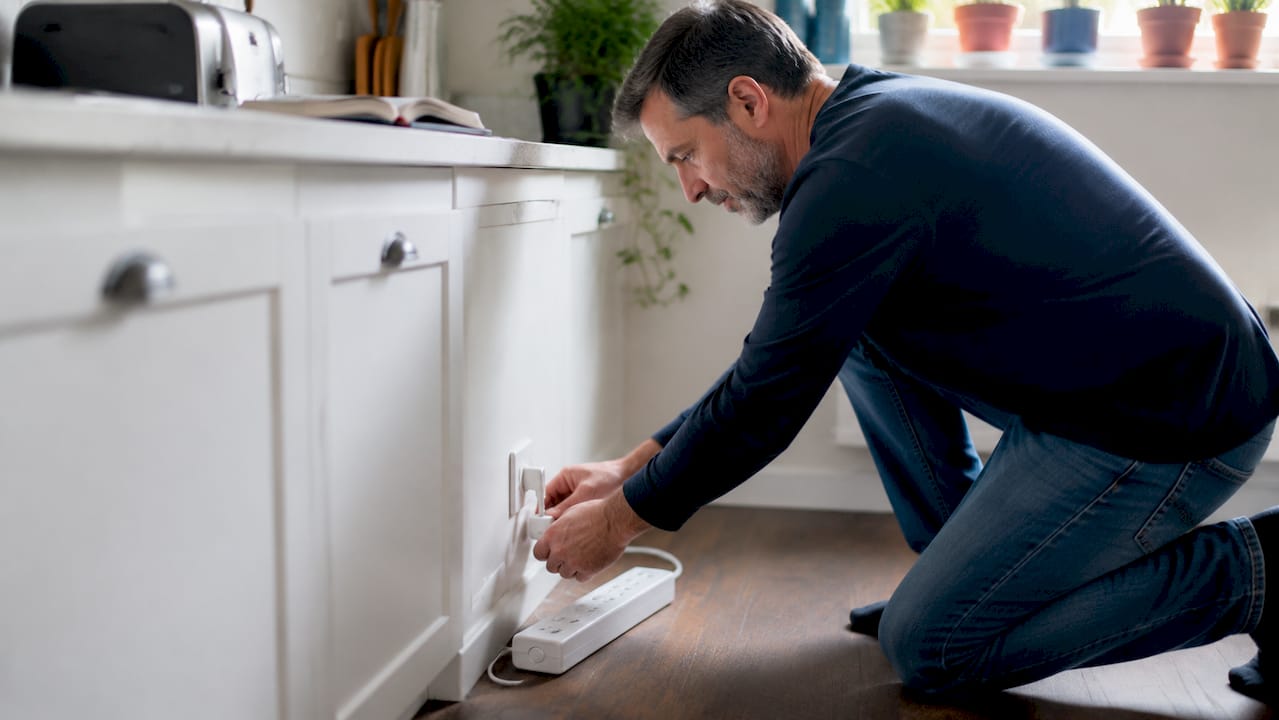
Smart power strips from brands like Belkin or APC cut phantom loads by fully disconnecting devices when they are not in use. This is one of the cheapest and fastest wins available to any renter or homeowner.
How to choose and upgrade to energy efficient appliances wisely
ENERGY STAR certification is the clearest signal of appliance efficiency. Upgrading to ENERGY STAR certified appliances can cut energy usage by 10–50% depending on the appliance type. That range matters because not every upgrade pays off at the same speed.
Understanding payback periods before you buy
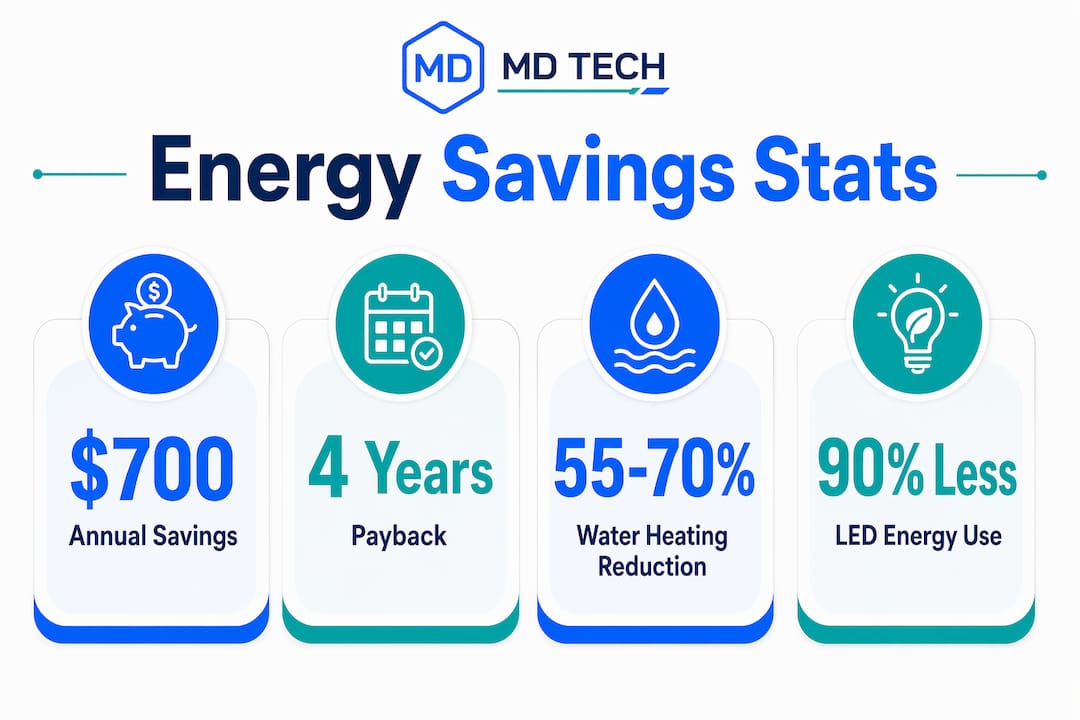
Payback period analysis is the right way to evaluate any appliance upgrade. Not all ENERGY STAR labeled units deliver quick financial returns. A new washer, for example, may take 12 years to pay back its purchase price through energy savings alone. A heat pump water heater, by contrast, can pay for itself in as little as 2–4 years.
| Appliance | Annual savings | Payback period |
|---|---|---|
| Heat pump water heater | Up to $700/year | 4 years (with IRA credit) |
| Heat pump HVAC | $500–$1,000/year | 3–7 years |
| ENERGY STAR refrigerator (replacing pre-2001) | ~$400/year | 2–4 years |
| ENERGY STAR washer | Moderate | Up to 12 years |
Heat pump water heaters reduce water-heating consumption by 55–70% and qualify for a $2,000 federal tax credit under the Inflation Reduction Act. That credit alone changes the math dramatically. If your water heater is more than 10 years old, replacing it with a heat pump model is one of the highest-ROI moves you can make.
Federal and utility incentives also apply to HVAC upgrades, insulation, and smart thermostats. Check your utility provider’s website and the ENERGY STAR rebate finder for programs in Orange County and Los Angeles County. Many California utilities offer additional rebates on top of federal credits.
Pro Tip: Before buying any new appliance, run the numbers on the ENERGY STAR savings calculator. A $1,200 heat pump water heater with a $2,000 tax credit effectively costs you nothing out of pocket while saving $700 a year.
Professional energy audits help identify which appliances waste the most electricity before you spend a dollar on upgrades. Many utilities offer free audits. Use one to build your upgrade priority list rather than guessing.
What daily habits maximize your appliances’ energy savings?
Behavioral changes deliver 10–15% reductions in energy consumption and save $200–$400 annually without any upfront cost. These are not minor tweaks. Combined, they add up to a real reduction in your monthly bill.
Follow these habits consistently:
- Wash clothes in cold water. Modern detergents like Tide Coldwater Clean are formulated for cold cycles. About 90% of the energy a washing machine uses goes toward heating water. Cold washing cuts that almost entirely.
- Run full loads only. Whether it is your washer or dishwasher, partial loads waste water and electricity. A full dishwasher uses the same energy as a half-full one.
- Adjust your thermostat by 7–10 degrees when you sleep or leave. This single habit reduces HVAC energy use noticeably. A smart thermostat like the Nest Learning Thermostat or Ecobee SmartThermostat automates this without any daily effort.
- Skip the heated dry cycle on your dishwasher. Open the door after the final rinse and let dishes air dry. You lose nothing in cleanliness and save meaningful electricity every cycle.
- Stop opening the oven door during cooking. Each time you open it, the oven temperature drops by 25–50 degrees Fahrenheit and the heating element kicks back on. Use the oven light instead.
- Unplug devices you are not using. Televisions, gaming consoles, and coffee makers all draw standby power even when switched off. A smart power strip handles this automatically.
Pro Tip: Set your refrigerator to 37–38°F and your freezer to 0°F. Colder settings waste energy without improving food safety. Use a cheap refrigerator thermometer from Amazon to verify your actual temperatures.
Switching from incandescent bulbs to LED lighting also contributes. LEDs use 90% less energy and last 25 times longer, saving roughly $225 per year across a typical home. The payback period is 1–3 years, making it one of the fastest wins in any home.
How to maintain appliances and sustain energy efficiency
Regular maintenance keeps appliances running at their rated efficiency. A neglected appliance works harder, uses more electricity, and breaks down sooner. These are the maintenance tasks that matter most:
- Clean refrigerator coils twice a year. Dusty condenser coils force the compressor to run longer to maintain temperature. Pull the fridge away from the wall and vacuum the coils. This takes 10 minutes and can reduce refrigerator energy use by up to 30%.
- Check door seals on your refrigerator and freezer. A worn gasket lets cold air escape constantly. Test it by closing the door on a piece of paper. If the paper slides out easily, the seal needs replacing.
- Disable the automatic ice maker when you do not need it. Automatic ice makers increase refrigerator energy use and are a common source of mechanical failures. Use a manual ice tray when demand is low.
- Clean your dryer lint trap after every load. A clogged lint trap restricts airflow and forces the dryer to run longer cycles. Also check the exhaust duct annually for blockages.
- Schedule annual HVAC maintenance. A technician will clean coils, check refrigerant levels, and replace filters. A well-maintained HVAC system runs at its rated efficiency instead of working overtime to compensate for wear.
- Defrost manual-defrost freezers when ice buildup exceeds a quarter inch. Thick ice acts as insulation between the freezer contents and the cooling coils, forcing the unit to use more energy.
Signs that an appliance needs professional attention include unusual noises, longer run cycles, inconsistent temperatures, and unexplained spikes in your electricity bill. Catching these early prevents small problems from becoming expensive repairs.
Repair vs. replace: which choice saves more money?
The repair-or-replace decision depends on appliance age, the cost of the repair, and the efficiency gain from a new model. A useful rule of thumb is the 50% rule: if the repair costs more than 50% of the price of a new appliance, replacement is usually the better financial choice.
| Scenario | Recommended action | Reason |
|---|---|---|
| Refrigerator over 15 years old, compressor failing | Replace | Replacing a pre-2001 refrigerator saves ~$400/year |
| HVAC unit under 10 years, minor repair needed | Repair | Payback on new unit is 3–7 years; repair extends efficient life |
| Water heater over 10 years, heating element failing | Replace with heat pump model | $700/year savings plus $2,000 IRA tax credit |
| Washer under 8 years, pump replacement needed | Repair | Payback on new washer can reach 12 years |
Getting a professional diagnosis before deciding is the most cost-effective step. A technician can tell you whether a repair will restore full efficiency or whether the unit is simply too degraded to justify the cost. Explore your repair vs. replacement options before committing to either path.
Key takeaways
Targeting HVAC, water heaters, and refrigerators with ENERGY STAR upgrades, behavioral changes, and regular maintenance delivers the largest and fastest reductions in home energy costs.
| Point | Details |
|---|---|
| Focus on major appliances first | HVAC, water heaters, and refrigerators account for roughly 80% of home electricity use. |
| Use payback period analysis | Heat pump water heaters pay back in 4 years; washers can take up to 12 years. |
| Behavioral changes cost nothing | Cold washing, full loads, and thermostat adjustments save $200–$400 annually with zero upfront cost. |
| Maintenance sustains efficiency | Cleaning coils, checking seals, and annual HVAC service prevent energy waste and extend appliance life. |
| Repair or replace strategically | Use the 50% rule and get a professional diagnosis before spending money on either option. |
What I have learned from years of appliance work
The most common mistake I see homeowners make is buying a new appliance before understanding why the old one is underperforming. A refrigerator running warm is not always a dying compressor. Sometimes it is dirty coils or a worn door seal, both of which cost almost nothing to fix. Spending $1,500 on a new unit when a $20 gasket would have solved the problem is a painful and avoidable outcome.
My honest recommendation is to start with a home energy audit before making any upgrade decisions. Utility-provided audits are often free, and they tell you exactly which appliances are wasting electricity. Without that data, you are guessing.
I also think people underestimate how much maintenance matters. An HVAC system that has not been serviced in three years is not running at its rated efficiency. It is working harder than it should, costing you money every month, and moving closer to a breakdown. Consistent maintenance is not glamorous, but it is the single most reliable way to sustain appliance energy savings over time. Combine that with targeted upgrades driven by real payback data, and you will see results that last.
— MDTECH
How Appliancesrepairmdtech helps you save more on energy
When an appliance is underperforming, the fastest way to restore its efficiency is a professional diagnosis. Appliancesrepairmdtech serves homeowners and renters across Orange County and Los Angeles County with expert repair, maintenance, and installation services for refrigerators, washers, dryers, HVAC systems, and more.
Whether you need a refrigerator coil cleaning, an HVAC tune-up, or help deciding whether to repair or replace an aging unit, Appliancesrepairmdtech’s licensed technicians give you a clear answer backed by real experience. Book an appointment online and get your appliances running at peak efficiency. Explore Samsung appliance repair or review the full repair vs. replacement guide to make the right call for your home.
FAQ
What appliances use the most energy at home?
HVAC systems, water heaters, and refrigerators account for roughly 80% of a home’s electricity use. Targeting these three delivers the largest reductions in your utility bill.
How much can energy saving appliance tips actually save?
Behavioral changes alone save $200–$400 per year, while upgrading to a heat pump water heater can save up to $700 annually. Combined strategies can cut your energy bill by 20–30% or more.
What is ENERGY STAR and is it worth it?
ENERGY STAR is a U.S. EPA certification that identifies appliances using 10–50% less energy than standard models. It is worth it when the payback period is short, particularly for water heaters and HVAC systems.
How do I stop phantom power from wasting electricity?
Plug televisions, gaming consoles, and other electronics into a smart power strip. Standby power costs $70–$150 per year, and a smart strip eliminates it by fully cutting power when devices are idle.
When should I repair an appliance instead of replacing it?
Repair makes sense when the cost is below 50% of a new unit’s price and the appliance is under 10 years old. For older units with major failures, replacement with an efficient model typically delivers better long-term value.