
Many homeowners believe upgrading to the latest energy-efficient appliances is the only path to lower utility bills. While modern appliances help, they cannot overcome poor insulation. Your HVAC system, water heater, and refrigerator work harder and cost more when your home lacks proper insulation. In Orange County and Los Angeles County, where temperature swings demand year-round climate control, insulation becomes the hidden factor that determines whether your appliances operate efficiently or waste energy fighting heat transfer.
Table of Contents
- Understanding How Insulation Improves Appliance Efficiency
- Why Air Sealing Is Crucial Before Adding Insulation
- Targeting The Building Envelope For Optimal Appliance Efficiency
- Insulating Water Heaters And Pipes: Hidden Energy Savers
- Enhance Your Home’s Appliance Efficiency With Expert Help
- Frequently Asked Questions
Key takeaways
| Point | Details |
|---|---|
| Reduced HVAC workload | Proper insulation cuts HVAC workload by up to 25%, directly improving appliance efficiency and lowering energy costs. |
| Air sealing multiplies savings | Sealing air leaks prevents 25-40% of heating and cooling losses, ensuring insulation delivers maximum appliance efficiency gains. |
| Water heater insulation saves money | Insulating tanks and pipes reduces standby heat losses by 25-45%, cutting water heating costs substantially. |
| Whole-envelope approach works best | Targeting attic, walls, and foundation together creates consistent indoor temperatures and extends appliance lifespan. |
| Professional audits reveal hidden waste | Energy audits identify air leaks and insulation gaps that invisibly increase appliance workload and utility bills. |
Understanding how insulation improves appliance efficiency
Insulation acts as a thermal barrier, measured by R-value, which indicates resistance to heat flow. Higher R-values mean better insulation performance. When properly installed, insulation reduces energy consumption by blocking three types of heat transfer: conduction through solid materials, convection through air movement, and radiation through electromagnetic waves.
Your HVAC system cycles on and off based on indoor temperature fluctuations. Without adequate insulation, heat escapes in winter and invades in summer, forcing your system to run continuously. Proper insulation significantly reduces HVAC workload, leading to fewer cycles, less wear, and lower energy bills. The same principle applies to refrigerators in hot garages and water heaters in uninsulated spaces.
Benefits extend beyond cost savings:
- Lower monthly utility bills from reduced runtime
- Extended appliance lifespan due to less mechanical stress
- Consistent indoor temperatures eliminating hot and cold spots
- Reduced carbon footprint from decreased energy consumption
- Quieter operation as systems run less frequently
Pro Tip: Always combine insulation upgrades with air sealing. Even high R-value insulation fails when air leaks allow conditioned air to escape, negating your investment and forcing appliances to compensate.
Understanding appliance seals importance helps you recognize how barriers prevent energy waste. Similarly, learning the hvac role in energy savings shows how system efficiency depends on building envelope performance.
Why air sealing is crucial before adding insulation
Infiltration means uncontrolled airflow through cracks, gaps, and penetrations in your building envelope. This invisible energy thief undermines even the best insulation, creating pathways for conditioned air to escape and outdoor air to enter. Your HVAC system responds by working overtime to maintain set temperatures.
Common air leak locations include:
- Window and door frames where weatherstripping deteriorates
- Ductwork connections in attics and crawl spaces
- Electrical outlets and switch plates on exterior walls
- Sill plates where walls meet foundations
- Recessed lighting fixtures penetrating ceilings
- Plumbing and electrical penetrations through walls
Air leaks account for 25-40% of heating and cooling costs in typical homes. When you add insulation without sealing leaks first, air continues flowing through gaps, carrying heat with it. The insulation slows conductive heat transfer but cannot stop convective losses from moving air.
Sequencing matters critically. Seal all accessible air leaks before installing insulation. Use caulk for stationary cracks, expanding foam for larger gaps, and weatherstripping for movable joints. Air sealing combined with insulation creates a complete thermal barrier that dramatically reduces appliance workload.
Pro Tip: Schedule a professional energy audit using blower door testing to quantify air leakage and identify hidden leak sites. Thermal imaging reveals temperature differences that indicate where conditioned air escapes, helping you prioritize sealing efforts for maximum appliance efficiency gains.
Maintaining importance of appliance seals mirrors whole-house air sealing principles. Following appliance maintenance tips ensures both building envelope and appliances work together efficiently.
Targeting the building envelope for optimal appliance efficiency
Your building envelope includes all components separating conditioned indoor space from outdoor conditions: walls, roof, windows, doors, and foundation. Each element contributes differently to heat loss and gain, affecting how hard your appliances work.
The building envelope plays a crucial role in determining overall appliance efficiency. Heat loss varies significantly by envelope component:
| Envelope Component | Heat Loss Percentage | Priority Level |
|---|---|---|
| Attic/Roof | 25-35% | Highest |
| Exterior Walls | 20-25% | High |
| Windows | 10-25% | Medium |
| Doors | 10-15% | Medium |
| Foundation/Crawl Space | 10-20% | Medium |
Exterior walls account for 20-25% while attics contribute up to 35% of total heat loss. Addressing these areas first yields the greatest appliance efficiency improvements. Attic insulation proves easiest to upgrade in most homes, offering immediate returns through reduced HVAC cycling.
Windows and doors require different approaches. While replacement provides best performance, adding weatherstripping, caulking gaps, and installing insulated window treatments delivers substantial improvements at lower cost. Foundation insulation prevents cold floors and reduces heating system runtime.
Comprehensive insulation upgrade steps:
- Conduct energy audit to identify priority areas
- Seal all air leaks throughout envelope
- Insulate attic to recommended R-value for your climate zone
- Add wall insulation through injection or during renovations
- Insulate foundation walls and seal rim joists
- Upgrade windows and doors as budget permits
- Verify proper ventilation to prevent moisture issues
Orange County and Los Angeles County homes benefit particularly from attic radiant barriers that reflect summer heat, reducing cooling loads. Understanding hvac role in comfort helps you recognize how envelope improvements enhance system performance. Exploring energy efficient appliance basics complements envelope upgrades for maximum savings.
Insulating water heaters and pipes: hidden energy savers
Water heaters constantly fight heat loss through tank walls and connected pipes. Traditional tank heaters maintain water temperature 24/7, losing heat to surrounding air even when you’re not using hot water. This standby loss forces the heating element or burner to cycle frequently, wasting energy and reducing equipment lifespan.
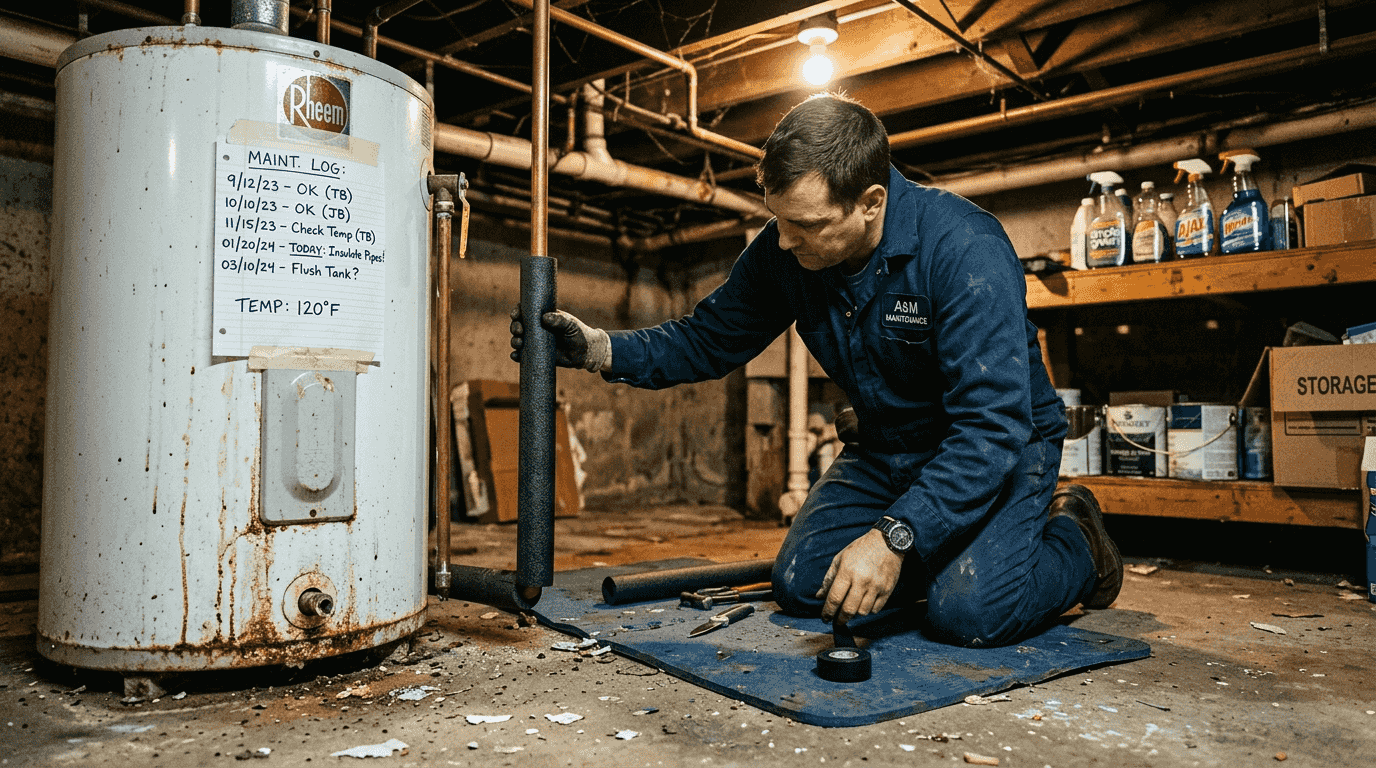
Insulating hot water pipes saves 3-4% annually on water heating costs. Uninsulated pipes lose heat as water travels from heater to faucet, requiring higher tank temperatures and longer wait times. Pipe insulation delivers hotter water faster while reducing the energy needed to maintain temperature.
Insulating a water heater tank reduces standby losses by 25-45%, translating to 7-16% annual water heating savings. Older tanks in garages, basements, or other unconditioned spaces benefit most dramatically.
Effective insulation methods:
- Install foam pipe sleeves on all accessible hot water lines
- Apply fiberglass pipe wrap secured with wire or tape
- Use pre-slit pipe insulation for easy installation around existing pipes
- Add water heater blanket rated R-10 or higher to older tanks
- Insulate first 6 feet of cold water inlet pipe to reduce condensation
- Ensure insulation doesn’t block thermostat, drain valve, or relief valve
Insulation proves most beneficial for water heaters over 5 years old located in unheated spaces. Modern tanks often include sufficient factory insulation. Never insulate the top of gas water heaters or block air intake and exhaust areas, as this creates serious safety hazards.

Combining water heater insulation with other efficiency measures multiplies savings. Following appliance maintenance tips ensures your water heater operates at peak efficiency year-round.
Enhance your home’s appliance efficiency with expert help
Maximizing appliance efficiency requires both proper insulation and well-maintained equipment. While insulation improvements reduce workload, aging or poorly maintained appliances still waste energy. MDTECH Appliance Repair provides expert HVAC repair services throughout Orange County and Los Angeles County, ensuring your climate control systems operate at peak efficiency.
Our licensed technicians diagnose inefficient operation, replace worn components, and optimize system settings to work harmoniously with your home’s insulation. Whether you need refrigerator repairs, water heater service, or complete HVAC maintenance, our team delivers reliable solutions that extend equipment life and reduce energy costs. Consult our appliance parts replacement guide for DIY maintenance tips, or schedule professional service for complex repairs. We also specialize in Samsung appliance repair and other major brands, providing comprehensive support for all your home efficiency needs.
Frequently asked questions
How does insulation reduce my appliance energy costs?
Insulation creates a thermal barrier that slows heat transfer between indoor and outdoor environments. This reduces how often your HVAC system cycles on to maintain temperature, directly lowering runtime and energy consumption. Water heaters and refrigerators also benefit when located in insulated spaces, requiring less energy to maintain target temperatures.
What is the relationship between air sealing and insulation?
Air sealing and insulation work together as complementary strategies. Air sealing stops convective heat loss from air movement through gaps, while insulation prevents conductive heat transfer through solid materials. Installing insulation without sealing air leaks allows conditioned air to escape, reducing insulation effectiveness by 25-40% and forcing appliances to compensate.
Which appliances benefit most from home insulation improvements?
HVAC systems gain the most significant efficiency improvements from whole-house insulation, with workload reductions up to 25%. Water heaters in unconditioned spaces benefit substantially from tank and pipe insulation. Refrigerators and freezers in garages or uninsulated areas also operate more efficiently when protected from temperature extremes.
How can I tell if my home needs better insulation?
Warning signs include uneven room temperatures, ice dams on roof edges, high utility bills relative to usage, HVAC systems running constantly, and cold floors in winter. Drafts around windows and doors indicate air leaks that undermine existing insulation. A professional energy audit provides definitive assessment of insulation levels and identifies priority upgrade areas.
When should I call a professional for insulation or appliance issues?
Schedule professional energy audits when planning insulation upgrades to identify hidden leaks and optimize investment priorities. Contact appliance repair specialists when systems run continuously, fail to maintain temperature, make unusual noises, or show declining efficiency despite proper insulation. Professional diagnosis prevents costly misdiagnosis and ensures both building envelope and equipment work together efficiently.