
TL;DR:
- Regular HVAC tune-ups improve efficiency, extend system lifespan, and reduce energy bills.
- A thorough tune-up includes inspection, cleaning, calibration, and safety checks by a professional technician.
- Skipping maintenance increases the risk of costly repairs, early system failure, and warranty voidance.
Your HVAC system quietly loses efficiency every season it runs without attention, and most homeowners in Orange and Los Angeles Counties never notice until the repair bill arrives. Annual tune-ups can improve efficiency by up to 20% and meaningfully extend the life of your system. That matters even more in Southern California, where air conditioners run harder and longer than in most of the country. This guide walks you through exactly what a tune-up involves, why the benefits are real, how often to schedule one, and what you risk by skipping it.
Table of Contents
- What does an HVAC tune-up include?
- Top benefits of regular HVAC tune-ups
- How often should you schedule HVAC tune-ups?
- Tune-ups vs. repairs: What homeowners need to know
- The overlooked reality: Why skipping tune-ups costs more in Southern California
- Professional HVAC tune-ups: The easy solution for lasting comfort
- Frequently asked questions
Key Takeaways
| Point | Details |
|---|---|
| Saves money on bills | Regular tune-ups prevent expensive energy waste and reduce monthly operating costs. |
| Prevents major breakdowns | Routine maintenance catches problems early, avoiding costly repairs or emergency calls. |
| Improves air quality | Clean, well-maintained systems circulate healthier air throughout your home. |
| Extends HVAC lifespan | Following tune-up schedules can keep your system running efficiently for years longer. |
What does an HVAC tune-up include?
With the importance established, let’s clarify what actually happens during a professional tune-up. Most homeowners picture a quick filter swap, but a real tune-up is much more thorough. A standard tune-up involves inspection, cleaning, adjustment, and safety checks across every major component of your system.
Here is what a qualified technician typically covers:
- Thermostat calibration: Verifies that your thermostat reads and responds to temperature accurately, so your system isn’t running longer than it needs to.
- Air filter inspection and replacement: A clogged filter forces your system to work harder, raising energy use and straining the motor.
- Evaporator and condenser coil cleaning: Dirty coils reduce heat transfer efficiency dramatically. This is one of the biggest performance killers in Southern California homes.
- Electrical connection tightening: Loose connections cause voltage fluctuations that shorten component life and create fire hazards.
- Refrigerant level check: Low refrigerant means your system can’t cool effectively and may damage the compressor over time.
- Blower motor and belt inspection: Worn belts and struggling motors reduce airflow and push up operating costs.
- Drain line clearing: Blocked condensate drains cause water damage and mold growth inside your system.
- Safety controls testing: Ensures that shutdown mechanisms work correctly if something goes wrong.
These appliance tune-up steps are not just procedural. Each one protects a specific part of your system’s performance and longevity.
| Task | Recommended frequency | Key benefit |
|---|---|---|
| Filter replacement | Every 1-3 months | Airflow and air quality |
| Coil cleaning | Annually | Cooling efficiency |
| Refrigerant check | Annually | Prevents compressor damage |
| Electrical inspection | Annually | Safety and reliability |
| Drain line flush | Annually | Prevents water damage |
| Thermostat calibration | Annually | Accurate temperature control |
The Energy Star HVAC maintenance guidelines also emphasize that consistent upkeep keeps your system running at its rated efficiency rather than degrading year over year.
Pro Tip: Filter changes are the one task you can and should handle yourself every one to three months. Everything else on that list is best left to a licensed technician who has the tools and training to do it safely.
Top benefits of regular HVAC tune-ups
Now that you know what’s involved, here’s why those steps pay off for your wallet, health, and comfort. The benefits go beyond a cooler house in August.
Here is what consistent maintenance actually delivers:
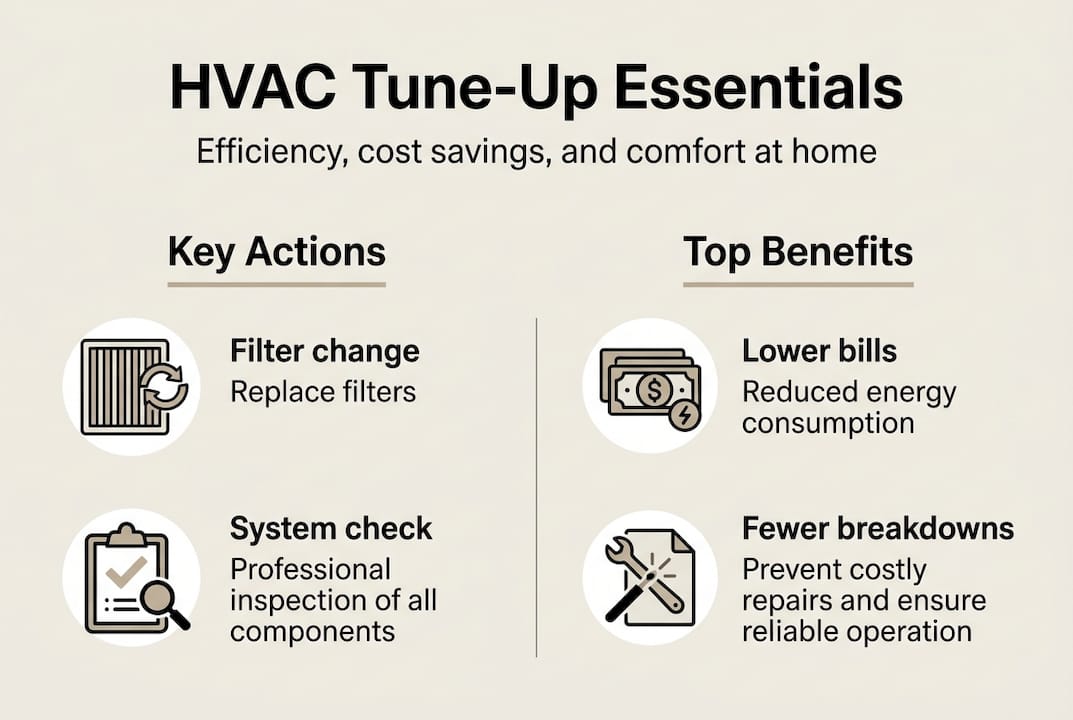
- Lower energy bills: Tuning up your HVAC can cut energy use by up to 30%. In a region where electricity rates rank among the highest in the country, that’s real money back in your pocket every month.
- Fewer emergency breakdowns: Systems that are regularly serviced are far less likely to fail on the hottest day of the year, when repair crews are booked solid.
- Longer equipment life: Annual service extends equipment life by as much as 25%, which means you get more years out of a system that costs thousands to replace.
- Consistent comfort: A tuned system maintains steady temperatures throughout your home instead of cycling on and off unpredictably.
- Cleaner indoor air: Clean coils, clear drains, and fresh filters reduce dust, allergens, and mold spores circulating through your living spaces.
For older systems, especially those over ten years old, an annual HVAC inspection is even more critical. Components wear faster as systems age, and catching a failing capacitor during a tune-up costs a fraction of what a compressor replacement runs.
During Southern California heat waves, an unserviced system doesn’t just run inefficiently. It can fail entirely. The air conditioner maintenance guidance from the U.S. Department of Energy confirms that clean, well-maintained systems handle peak demand far better than neglected ones.
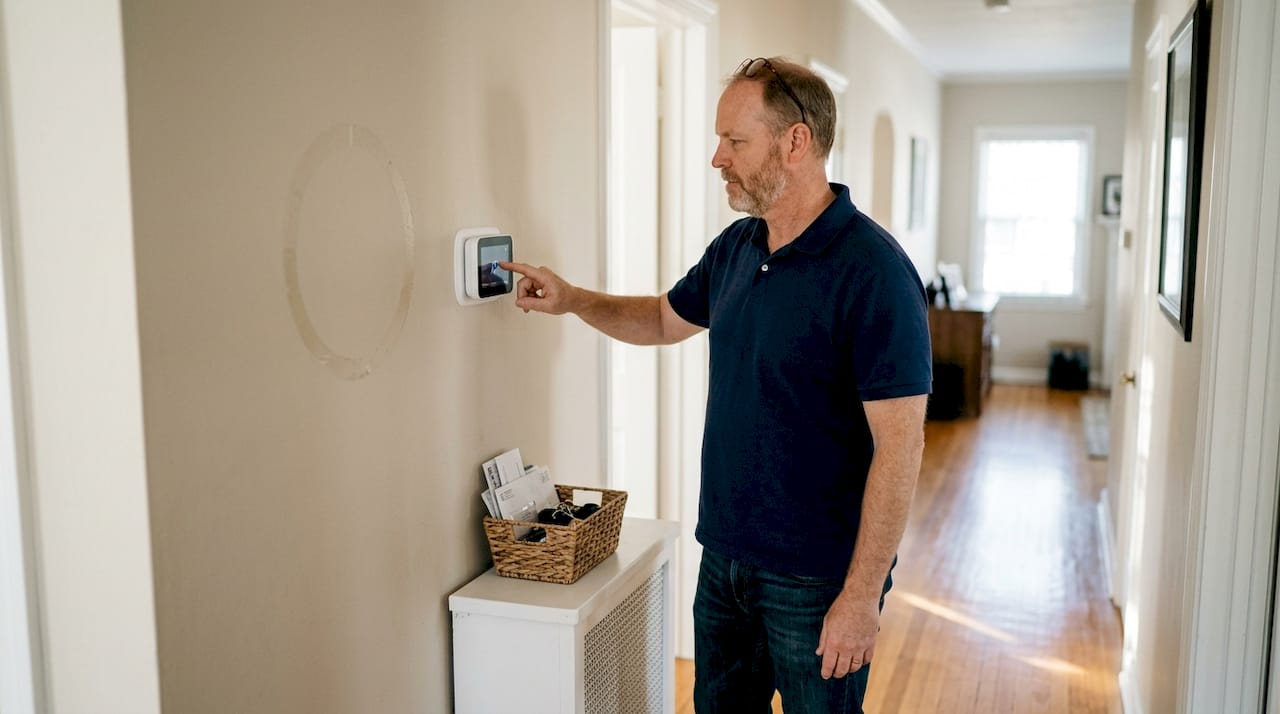
Pro Tip: Pair your annual tune-up with a fresh filter and a quick check of your outdoor unit for debris. That combination gives you the biggest efficiency gain with minimal effort.
How often should you schedule HVAC tune-ups?
Understanding benefits is great, but timing is key. Here’s how to keep your home running smoothly all year. Experts recommend scheduling tune-ups at least once a year, typically before heavy-use seasons begin.
For most Orange and LA County homeowners, that means early spring before the summer cooling season kicks in. If your system also handles heating, a fall check before cooler nights arrive makes sense too.
| Tune-up schedule | Pros | Cons | Best for |
|---|---|---|---|
| Annual (once per year) | Cost-effective, covers most needs | May miss issues that develop mid-season | Newer systems, mild use |
| Biannual (spring and fall) | Maximum protection, catches more issues | Higher annual cost | Older systems, heavy use, allergy concerns |
Here are the top signs you should not wait for your next scheduled visit:
- Rising utility bills with no change in usage — your system is working harder than it should.
- Unusual sounds like grinding, banging, or squealing from the unit.
- Inconsistent temperatures between rooms or floors of your home.
- Weak or warm airflow from vents even when the system is running.
Southern California’s climate adds a specific wrinkle. Dry summers mean more dust pulled through your system. Wildfire smoke seasons can clog filters and coat coils faster than normal. Mild winters can create a false sense of security, since your heating system still needs attention even if it runs less. Outdoor unit maintenance is especially important after dry, windy stretches when debris accumulates around the condenser.
The EPA’s guidance on air duct cleaning also notes that homes in dusty or high-pollution environments may benefit from more frequent attention to their duct systems, which is worth factoring into your maintenance schedule here in SoCal.
Tune-ups vs. repairs: What homeowners need to know
Scheduling tune-ups is smart, but what happens if you skip them? Here’s how maintenance and repair really differ. The gap between the two is not just about cost. It’s about control.
A tune-up puts you in the driver’s seat. A repair means something already went wrong, and now you’re reacting. Routine maintenance prevents up to 70% of breakdowns, which means the majority of expensive repair calls are avoidable.
Here is what proactive maintenance gives you that reactive repairs cannot:
- Predictable costs: Tune-ups are priced upfront. Emergency repairs are not, and they often come with after-hours premiums.
- Warranty protection: Most manufacturers require documented annual maintenance to honor warranty claims. Skipping tune-ups can void your coverage.
- Time to plan: When a technician spots a worn part during a tune-up, you can schedule the fix on your timeline, not during a breakdown in a heat wave.
- Peace of mind: Knowing your system has been checked gives you confidence heading into summer or any high-demand period.
- Smaller fixes: Problems caught early during an appliance tune-up overview are almost always cheaper to fix than the same problems caught after failure.
“Preventative HVAC care is not an added expense. It is the strategy that keeps repair costs from compounding year after year.”
Issues commonly caught during tune-ups before they escalate include failing capacitors, low refrigerant, worn belts, corroded electrical contacts, and blocked drain lines. Each of those, left unaddressed, leads to a larger and more expensive HVAC repair down the road. The ASHRAE HVAC tune-up guide reinforces that preventative service consistently delivers a better return on investment than repair-only approaches.
The overlooked reality: Why skipping tune-ups costs more in Southern California
You’ve seen the facts. Now here’s what most SoCal homeowners miss about HVAC care.
Orange and LA County homes face conditions that accelerate system wear faster than most national averages account for. Wildfire smoke and regional dust load filters and coat coils at a rate that makes annual tune-ups feel almost too infrequent. We’ve seen systems that looked fine from the outside but had coils so caked with particulate matter that they were running at roughly half their rated efficiency.
Southern California’s electricity rates also change the math. A 15% efficiency loss that might cost a homeowner in a cheaper-rate state $80 a year can cost an Orange County homeowner over $200 annually. That adds up fast.
The mild winters here create a specific trap. Homeowners assume that because the heating system barely ran, it doesn’t need attention. But components still degrade from humidity, dust, and inactivity. Skipping the fall check because “we barely used heat” is one of the most common reasons we see early system failures the following summer.
Scheduling your tune-up right after wildfire season ends is one of the best moves you can make for maintenance for California homes. It clears out accumulated smoke particulates before they cause lasting damage and sets your system up for the next cooling season.
Professional HVAC tune-ups: The easy solution for lasting comfort
If you want to avoid stress and guesswork, here’s the best next step.
Handling HVAC maintenance on your own gets complicated fast. A professional technician brings calibrated tools, trained eyes, and the experience to catch what a checklist alone will miss. Our HVAC repair experts serve homeowners across Orange and Los Angeles Counties with service built around the specific demands of Southern California’s climate.
From annual HVAC inspection services to full system diagnostics, we make it easy to stay ahead of problems instead of reacting to them. Our local maintenance solutions are designed to protect your investment, preserve your warranty, and keep your home comfortable no matter what the season brings. Book your tune-up today and take the guesswork out of home comfort.
Frequently asked questions
How much does an HVAC tune-up cost in Orange County?
Most tune-ups in Orange County cost between $75 and $200, depending on the system type and the depth of service included.
When is the best time to schedule a tune-up for my HVAC system?
Spring or fall timing is ideal, just before your system faces its heaviest seasonal demand, so any issues are caught before they become urgent.
Can regular tune-ups help reduce my energy bills?
Yes. Regular maintenance can cut energy use by up to 30% by restoring your system to its designed operating efficiency.
What are the signs my HVAC system needs a tune-up immediately?
Contact a professional if you notice unusual noises, poor airflow, or energy spikes on your utility bill, as these are classic warning signs of a struggling system.
Does my warranty require regular HVAC maintenance?
Most manufacturer warranties require documented annual maintenance to remain valid, so skipping service could leave you unprotected if a major component fails.