
Your HVAC system likely controls nearly 48% of your home’s total energy consumption, making it the single largest contributor to your utility bills. Many homeowners in Orange and Los Angeles Counties underestimate how this critical infrastructure affects daily comfort, indoor air quality, and monthly expenses. This guide explains how HVAC systems regulate temperature and humidity, purify air, drive energy costs, and how smart decisions tailored to Southern California’s warm climate can deliver substantial savings and healthier living spaces.
Table of Contents
- Understanding The Basic Functions Of HVAC In The Home
- How HVAC Influences Energy Consumption And Utility Bills
- The Role Of HVAC In Indoor Air Quality And Health
- Regional Climate Considerations For HVAC Systems In Southern California
- Common Misconceptions About HVAC Operation And Efficiency
- Comparison Of HVAC System Types And Technologies Relevant To The Region
- Maintenance And Repair Essentials To Maximize HVAC Performance
- Making Informed HVAC Decisions For Your Home In Orange And Los Angeles Counties
- Reliable HVAC Solutions For Orange And Los Angeles County Homes
Key Takeaways
| Point | Details |
|---|---|
| Energy Impact | HVAC accounts for 48% of residential energy use, making efficiency upgrades critical for cost savings. |
| Maintenance Savings | Proper upkeep can reduce energy consumption by 30% while extending system lifespan. |
| Health Benefits | Effective filtration and ventilation remove allergens and pollutants, improving respiratory health. |
| Regional Needs | Southern California’s warm climate demands efficient cooling systems with variable speed compressors. |
| Smart Controls | Programmable thermostats reduce energy bills by 10-15% through optimized scheduling. |
Understanding the Basic Functions of HVAC in the Home
HVAC stands for Heating, Ventilation, and Air Conditioning, three interconnected systems working together to maintain comfortable indoor environments. Each component serves specific purposes that directly impact your daily life.
Temperature regulation keeps your home comfortable year-round by providing heating during cooler months and cooling during hot periods. Humidity control prevents moisture problems that lead to mold growth, structural damage, and respiratory discomfort. Ventilation continuously replaces stale indoor air with fresh outdoor air, preventing the buildup of odors and harmful pollutants.
Filtration systems capture dust, pollen, pet dander, and other airborne particles before they circulate through your living spaces. This role of HVAC in home comfort extends beyond simple temperature adjustment to create healthier environments that support productivity and wellbeing.
Key HVAC functions include:
- Maintaining consistent indoor temperatures between 68-78°F based on season and preference
- Controlling humidity levels within the optimal 30-50% range to prevent mold and dust mites
- Filtering microscopic particles as small as 0.3 microns from circulating air
- Exchanging indoor air multiple times per hour to remove carbon dioxide and volatile organic compounds
- Balancing air pressure throughout your home to prevent drafts and hot or cold spots
Proper HVAC maintenance for California homeowners ensures these functions operate efficiently, protecting your investment while maximizing comfort. Understanding how these systems work together helps you make informed decisions about residential HVAC choices in California that match your specific needs.
How HVAC Influences Energy Consumption and Utility Bills
Your HVAC system contributes up to 48% of residential energy use in typical American homes, dwarfing the consumption of appliances, lighting, and electronics combined. This massive energy draw translates directly to your monthly utility bills, making HVAC efficiency a top priority for cost-conscious homeowners.
Regular maintenance dramatically impacts operating costs. Clean air filters allow proper airflow, preventing your system from working harder than necessary. Sealed ductwork stops conditioned air from escaping into attics or crawl spaces where it provides zero benefit. Properly installed and maintained HVAC systems can reduce household energy consumption by up to 30%, delivering substantial monthly savings that compound over years of operation.
Smart thermostats revolutionize energy management by learning your schedule and preferences. They automatically adjust temperatures when you’re away or asleep, eliminating wasted cooling or heating of empty spaces. These devices typically save 10-15% on energy bills through optimized operation schedules that maintain comfort while minimizing runtime.
Factors affecting HVAC energy consumption:
- System age and efficiency ratings, with older units consuming 30% more energy than modern replacements
- Thermostat settings and programming strategies that balance comfort with conservation
- Insulation quality and air sealing that prevents conditioned air from escaping
- Duct condition and layout, as leaky ducts waste up to 30% of cooled or heated air
- Filter cleanliness and replacement frequency affecting airflow resistance
Pro Tip: Set your thermostat to 78°F during summer months when home and 85°F when away for eight hours or more to maximize savings without sacrificing comfort.
Neglecting HVAC maintenance leads to cascading problems beyond higher bills. Dirty filters force blowers to work harder, increasing electricity consumption while reducing system lifespan. Refrigerant leaks diminish cooling capacity, causing longer run times to achieve desired temperatures. These efficiency losses compound monthly, turning small maintenance oversights into hundreds of dollars in unnecessary costs.
Exploring energy efficient appliance basics alongside HVAC optimization creates comprehensive home efficiency improvements. When you schedule annual HVAC service, technicians identify efficiency problems before they escalate, protecting both your wallet and system longevity. The Energy Saver Guide provides additional strategies for reducing consumption across all home systems.
The Role of HVAC in Indoor Air Quality and Health
Indoor air quality directly affects respiratory health, allergies, and overall wellbeing. HVAC systems filter particulates and allergens while proper ventilation reduces indoor pollutants that accumulate from cooking, cleaning products, and off-gassing from furniture and building materials.
Filtration captures microscopic particles before they reach your lungs. Standard filters trap larger particles like dust and pet hair, while HEPA filters remove 99.97% of particles as small as 0.3 microns, including pollen, mold spores, and some bacteria. This protection proves especially valuable for family members with asthma or allergies.
Humidity control prevents conditions that encourage biological contaminants. Excessive moisture creates ideal environments for mold growth, dust mites, and bacteria that trigger respiratory symptoms. Conversely, air that’s too dry irritates mucous membranes and increases susceptibility to infections. Maintaining 30-50% relative humidity optimizes comfort while minimizing health risks.
Wildfire events pose serious air quality challenges throughout Southern California. During these periods, outdoor air quality plummets as smoke particles saturate the atmosphere. Effective HVAC filtration becomes your primary defense, removing harmful particulates before they circulate through your home. Upgrading to higher-rated filters during fire season provides crucial protection for vulnerable household members.
Health benefits of proper HVAC operation:
- Reduced asthma triggers and allergy symptoms through continuous particle filtration
- Prevention of mold growth by maintaining optimal humidity levels below 60%
- Removal of volatile organic compounds from paints, cleaners, and furnishings
- Dilution of carbon dioxide concentrations through adequate fresh air exchange
- Protection from outdoor pollutants including wildfire smoke and traffic emissions
Pro Tip: Replace standard 1-inch filters with 4-inch pleated filters rated MERV 11 or higher for significantly improved particle capture without restricting airflow.
Regular filter replacement ensures continued air cleaning effectiveness. Clogged filters not only reduce efficiency but also allow particles to bypass filtration entirely, circulating contaminants throughout your home. Most households need filter changes every 1-3 months depending on occupancy, pets, and outdoor air quality.
The connection between HVAC maintenance for California homeowners and health outcomes cannot be overstated. Professional service includes inspecting ventilation rates, testing humidity levels, and verifying filter performance. Following EPA Indoor Air Quality Guidelines helps identify improvement opportunities specific to your home’s needs.
Regional Climate Considerations for HVAC Systems in Southern California
Orange and Los Angeles Counties experience Mediterranean climates characterized by warm, dry summers and mild winters. This weather pattern creates specific HVAC demands that differ significantly from other U.S. regions.
Cooling dominates energy consumption in Southern California homes. Summer temperatures regularly exceed 85°F, with inland areas reaching 95°F or higher during heat waves. Air conditioning can account for 50-60% of total electricity use during peak months, making efficient cooling systems essential for managing utility costs.
System sizing must match local climate conditions. Undersized units struggle to maintain comfort during hot periods, running constantly without achieving desired temperatures. Oversized systems cycle on and off too frequently, wasting energy and failing to adequately dehumidify indoor air. Professional load calculations consider regional temperature patterns, home orientation, insulation levels, and window placement to determine optimal capacity.
Variable-speed compressors offer significant advantages in warm climates. Unlike single-speed units that operate at full capacity regardless of actual cooling needs, variable-speed systems modulate output to match demand. This flexibility maintains steadier temperatures while consuming less energy during moderate conditions that represent the majority of operating hours.
Regional HVAC considerations:
- High cooling capacity requirements due to extended warm seasons from May through October
- Minimal heating needs reducing the importance of furnace efficiency ratings
- Duct insulation in attics exposed to extreme temperatures preventing energy loss
- Shade management and window treatments reducing solar heat gain
- Dry climate conditions minimizing dehumidification requirements
Energy-efficient features carry higher upfront costs but deliver substantial long-term savings in Southern California’s climate. The intensive cooling demands amplify efficiency differences between standard and premium systems. A unit with a higher SEER rating costs more initially but returns the investment through reduced monthly bills over its 15-20 year lifespan.
Selecting appropriate residential HVAC options for California climate requires understanding these regional factors. Systems optimized for heating-dominated climates waste money on features you’ll rarely use while potentially underperforming on cooling capacity where you need it most.
Common Misconceptions About HVAC Operation and Efficiency
Myths about HVAC operation cost homeowners thousands in wasted energy and premature system failures. Correcting these misunderstandings improves efficiency and extends equipment lifespan.
- Lowering the thermostat far below your target temperature does not cool your home faster. Air conditioners deliver cooling at a fixed rate regardless of thermostat setting. Setting it to 65°F when you want 72°F simply makes the system run longer, overshooting your target and wasting energy.
- Turning your HVAC completely off when leaving for work does not save as much as you think. The energy required to cool a superheated home often exceeds the savings from shutting down. Better strategy involves raising the setpoint 7-10 degrees rather than turning off entirely.
- Bigger HVAC systems do not provide better cooling or efficiency. Oversized units short-cycle, turning on and off frequently without running long enough to dehumidify properly. This creates clammy indoor conditions while consuming more energy than correctly sized equipment.
- Closing vents in unused rooms does not reduce energy consumption. Modern HVAC systems balance airflow across the entire duct network. Blocking vents increases pressure, forcing air through leaks and reducing overall efficiency while potentially damaging equipment.
- Air filter changes can wait until you remember is false economy. Dirty filters restrict airflow, forcing blowers to work harder while reducing cooling capacity. This inefficiency compounds monthly, costing far more than replacement filters.
Older HVAC systems consume approximately 30% more energy than current models due to improved compressor technology, better refrigerants, and enhanced heat exchanger designs. If your system exceeds 15 years old, replacement often pays for itself through energy savings within 7-10 years.
Programmable thermostats enable smarter temperature management without manual adjustments. They automatically implement efficient schedules, maintaining comfort when you’re home while conserving energy during absences. This set-it-and-forget-it approach eliminates the common mistake of leaving systems at maximum cooling 24/7.
Understanding actual HVAC maintenance myths and facts empowers better decisions. Professional technicians can identify which efficiency improvements deliver genuine value versus marketing claims that sound impressive but provide minimal real-world benefit.
Comparison of HVAC System Types and Technologies Relevant to the Region
Choosing the right HVAC system requires understanding how different technologies perform in Southern California’s climate. Efficiency ratings, comfort features, and total ownership costs vary significantly across system types.
| System Type | Energy Efficiency | Comfort Control | Best For | Approximate Savings |
|---|---|---|---|---|
| Single-Speed Central AC | SEER 13-16 | Basic on/off operation | Budget-conscious buyers | Baseline |
| Variable-Speed Central AC | SEER 18-22 | Precise temperature control | Efficiency-focused homes | 20% vs single-speed |
| Ductless Mini-Split | SEER 20-28 | Zone-by-zone control | Homes without ducts | 25-30% vs central AC |
| Heat Pump | SEER 16-20, HSPF 8-10 | Heating and cooling | Moderate climates | Similar to variable-speed |
Single-speed systems represent the entry level for central air conditioning. They operate at full capacity whenever running, cycling on and off to maintain thermostat setpoints. Lower equipment costs make them attractive for tight budgets, but higher operating expenses and less consistent temperatures reduce long-term value.
Variable-speed compressors adjust output from 40% to 100% capacity based on actual cooling needs. This modulation maintains steadier temperatures with smaller fluctuations, improving comfort while reducing energy consumption by approximately 20% compared to single-speed alternatives. The technology particularly benefits Southern California homes where moderate cooling demands dominate most operating hours.
ENERGY STAR certified models meet strict efficiency standards set by the EPA and Department of Energy. These systems typically reduce energy consumption by 10-50% compared to standard models, qualifying for utility rebates that offset higher purchase prices. In regions with intensive cooling demands, the payback period often falls within 5-7 years.
Older HVAC systems installed before 2006 consume roughly 30% more energy than current minimum efficiency standards. Refrigerant changes, improved compressor designs, and better heat exchangers combine to deliver substantial efficiency gains. Replacement often makes financial sense even for functioning older units when factoring lifetime operating costs.
System selection balances initial investment against projected energy savings. While premium equipment costs more upfront, the intensive cooling demands of Southern California amplify efficiency differences. A system saving 20% on energy expenses generates larger absolute dollar savings here than in regions with moderate climates and lower usage.
Exploring various HVAC system types in California with qualified contractors helps match technology to your specific needs. They can perform load calculations, evaluate ductwork condition, and project realistic savings based on your home’s characteristics and usage patterns.
Maintenance and Repair Essentials to Maximize HVAC Performance
Regular maintenance separates efficient, long-lasting HVAC systems from money-draining equipment that fails prematurely. Simple tasks performed consistently prevent expensive repairs while maximizing energy savings.
Air filter replacement tops the maintenance priority list. Filters capture particles before they reach system components, protecting mechanical parts while improving indoor air quality. Most households need new filters every 1-3 months depending on factors like pet ownership, occupancy levels, and outdoor air quality. Visible dirt or reduced airflow indicate immediate replacement needs.
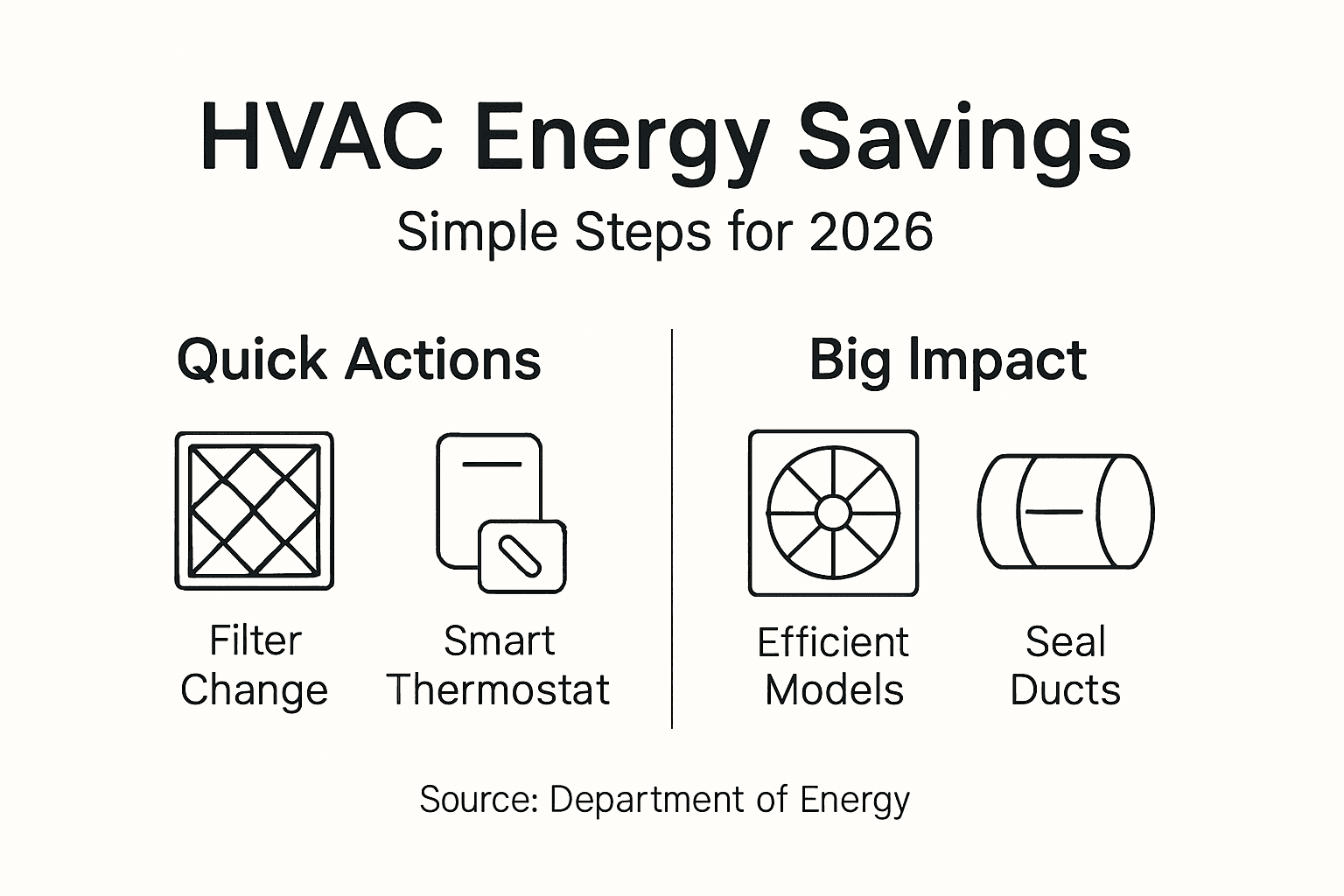
Duct cleaning eliminates accumulated dust, debris, and potential mold growth inside air distribution pathways. Dirty ducts reduce efficiency by restricting airflow and reintroducing captured particles into living spaces. Professional cleaning typically occurs every 3-5 years or after renovations that generate excessive dust.
Annual professional inspections catch developing problems before they cause failures. Technicians check refrigerant levels, test electrical connections, verify proper airflow, clean condenser coils, and calibrate thermostats. This preventive approach costs far less than emergency repairs while extending system lifespan by up to 5 years beyond poorly maintained units.
Programmable thermostats optimize operation automatically, eliminating manual adjustments while maintaining comfort. They reduce unnecessary runtime by raising temperatures during absences and lowering them before you return home. This intelligent scheduling typically reduces energy consumption by 10-15% without sacrificing comfort.
Essential maintenance tasks:
- Monthly filter inspection with replacement when visibly dirty or airflow decreases
- Quarterly outdoor unit cleaning to remove leaves, grass, and debris blocking airflow
- Annual professional service including refrigerant check and electrical testing
- Biannual thermostat battery replacement preventing system failures
- Regular vent and register cleaning ensuring unobstructed air delivery
Pro Tip: Schedule professional HVAC service in spring before cooling season begins, ensuring peak performance when you need it most while avoiding the premium rates charged during summer emergencies.
Timely repairs prevent minor issues from escalating into system failures. Strange noises, reduced cooling capacity, unusual odors, or increased energy bills signal developing problems requiring professional attention. Addressing these symptoms early typically costs hundreds rather than thousands for complete system replacement.
Recognizing the annual HVAC service benefits helps prioritize this investment. Professional maintenance contracts often include priority scheduling, discounted repairs, and guaranteed response times that provide peace of mind alongside efficiency improvements.
Making Informed HVAC Decisions for Your Home in Orange and Los Angeles Counties
Optimizing your HVAC system requires evaluating current performance, understanding regional demands, and implementing improvements that deliver genuine value. This decision framework helps prioritize investments for maximum comfort and savings.
- Assess your current system’s performance by tracking monthly energy bills, noting comfort inconsistencies, and identifying unusual noises or odors. Systems older than 15 years likely waste significant energy compared to modern alternatives.
- Consider Southern California’s high cooling demands when evaluating replacement systems. Prioritize SEER ratings and cooling capacity over heating features you’ll rarely use. Variable-speed compressors deliver optimal performance in this climate.
- Calculate total ownership costs rather than focusing solely on purchase price. Energy-efficient systems cost more upfront but generate monthly savings that compound over 15-20 year lifespans. Include projected utility costs and available rebates in financial analysis.
- Evaluate your home’s ductwork condition during system upgrades. Even the most efficient equipment underperforms with leaky ducts that waste conditioned air. Duct sealing and insulation often deliver better returns than premium equipment alone.
- Plan for regular professional maintenance from certified local technicians familiar with regional demands. Annual service prevents failures, maintains efficiency, and protects manufacturer warranties requiring documented upkeep.
- Implement programmable or smart thermostats that automatically optimize operation schedules. These devices reduce energy consumption by 10-15% through intelligent temperature management that maintains comfort while minimizing runtime.
- Research available utility rebates and tax credits for efficient HVAC upgrades. These incentives can offset 10-30% of equipment costs, improving project economics while supporting environmental goals.
The decision-making process benefits from professional input. Qualified contractors perform load calculations determining optimal system size, evaluate ductwork condition, and explain technology differences with specific cost projections. This expertise prevents common mistakes like oversizing equipment or neglecting duct improvements that compromise even premium systems.
Local climate expertise matters when selecting and maintaining HVAC systems. Technicians familiar with Southern California’s specific demands understand which features deliver value versus marketing claims that sound impressive but provide minimal real-world benefit in this region.
Applying comprehensive HVAC decision making and maintenance tips ensures your system delivers optimal comfort, efficiency, and longevity. These investments protect your home’s value while creating healthier, more comfortable living environments for years to come.
Reliable HVAC Solutions for Orange and Los Angeles County Homes
Maintaining peak HVAC performance requires professional expertise tailored to Southern California’s unique climate demands. MDTECH Appliance Repair delivers comprehensive HVAC services throughout Orange and Los Angeles Counties, combining technical knowledge with commitment to customer satisfaction.
Our certified technicians understand how regional conditions affect system performance and longevity. We provide maintenance plans that prevent failures while optimizing efficiency, helping you achieve up to 30% energy savings through proper upkeep and timely repairs.
Whether you need emergency repairs, annual maintenance, or system replacement guidance, expert HVAC repair in Irvine and surrounding areas ensures your home stays comfortable year-round. Our HVAC maintenance for homeowners prevents costly breakdowns while extending equipment lifespan. When you schedule annual HVAC service, you protect your investment while enjoying lower energy bills and improved indoor air quality. Contact MDTECH today for reliable solutions that keep your home comfortable, healthy, and efficient throughout every season.
FAQ
What is the primary role of an HVAC system in a home?
HVAC systems regulate indoor temperature, control humidity levels, and filter air to create comfortable, healthy living environments. They integrate heating, cooling, and ventilation functions specifically designed for residential needs.
How does HVAC maintenance affect energy costs?
Regular maintenance including filter changes, duct sealing, and professional inspections can reduce energy consumption by up to 30%. Neglected systems work harder to achieve desired temperatures, significantly increasing utility bills while shortening equipment lifespan.
What HVAC features are best for Southern California’s climate?
Variable-speed compressors and high SEER-rated systems perform optimally in Southern California’s warm conditions. ENERGY STAR certified units deliver substantial energy savings specifically valuable in regions with intensive cooling demands and extended warm seasons.
Are smart thermostats worth installing for homes here?
Smart thermostats reduce energy bills by 10-15% through automated scheduling that optimizes runtime. They learn occupancy patterns and adjust temperatures accordingly, eliminating wasted energy while maintaining comfort during Southern California’s long cooling season.