
TL;DR:
- Proper appliance installation involves electrical, gas, ventilation, and structural considerations for safety and efficiency.
- California codes require permits, licensed contractors, and compliance with seismic and venting standards.
- Using qualified installers reduces fire, injury, water damage, and long-term cost risks for homeowners and property managers.
Most homeowners assume installing a new appliance is straightforward. Plug it in, level it out, and you’re done. But that assumption can lead to fires, injuries, and costly code violations that show up months or even years later. Installation and design deficiencies are recognized contributors to home fires across the country. Whether you’re a homeowner in Anaheim or a property manager overseeing units in Los Angeles, understanding what proper installation actually involves is one of the smartest investments you can make for your home’s long-term safety and efficiency.
Table of Contents
- Why proper installation matters: Safety and efficiency explained
- The hidden risks: Injury and property damage from poor installation
- Understanding California codes: What homeowners must know
- Choosing a qualified installer: What to expect and verify
- What most guides miss: The true cost of “good enough” installation
- Ready for safe, efficient installation? Upgrade with local experts
- Frequently asked questions
Key Takeaways
| Point | Details |
|---|---|
| Safety first | Proper installation greatly reduces the risk of fires, injuries, and costly damage in your home. |
| Code compliance | Following local California codes keeps your appliances legal and insurable. |
| Expert installers matter | Hiring qualified professionals prevents hidden problems and maximizes appliance life. |
| Know the risks | Skipping steps or choosing unqualified help can lead to loss, liability, and hassle down the road. |
Why proper installation matters: Safety and efficiency explained
There’s a widespread belief that appliance installation is mostly about physical setup. In reality, it’s a technical process that touches electrical systems, gas lines, ventilation, water supply, and structural support. Getting any one of those elements wrong creates a chain of problems that can be hard to trace back to the original cause.
Consider energy efficiency. An improperly installed refrigerator with a misaligned door seal will run its compressor harder and longer than it should. That means higher electricity bills every single month. A dryer vented incorrectly can accumulate lint in hidden ductwork, creating both a fire risk and a machine that takes twice as long to dry a load. These aren’t dramatic failures. They’re slow, quiet drains on your budget and your safety.
According to fire safety data, appliance installation deficiencies contribute to thousands of preventable home fire incidents every year. Even when the percentage seems small, the real-world impact on families is significant.
“Proper installation isn’t a luxury. It’s the baseline for safe, efficient appliance operation in any home.”
Following appliance installation best practices means more than reading the manual. It means verifying clearances, confirming correct voltage, checking gas pressure, and ensuring the appliance is level to factory specification. Here’s what improper installation commonly causes:
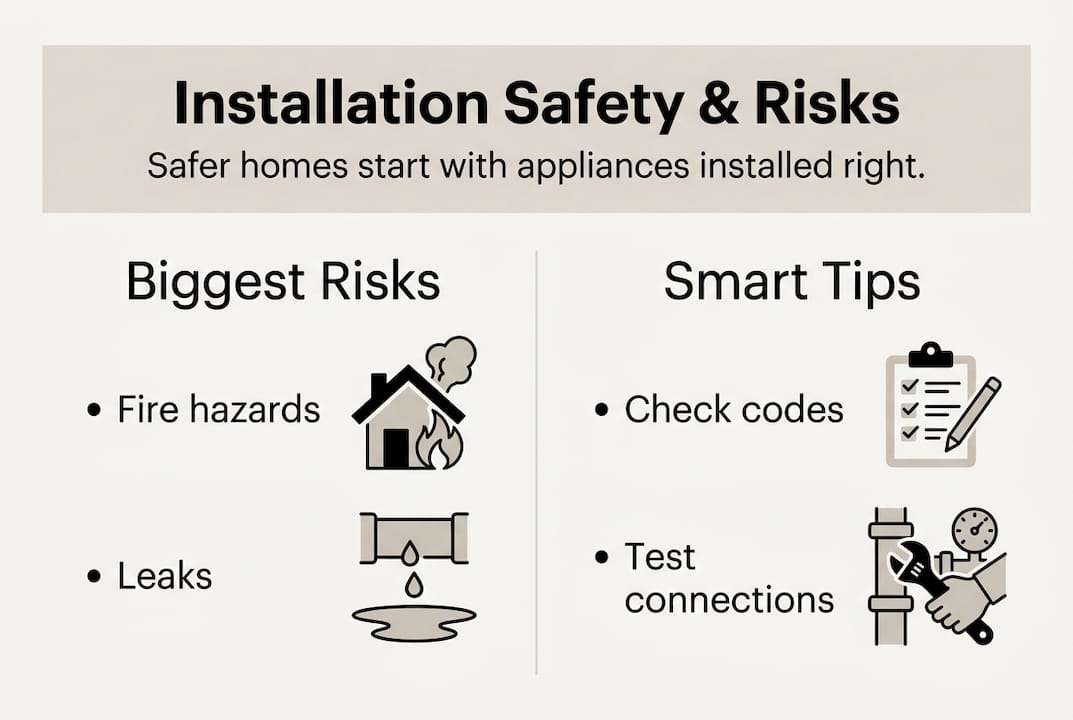
- Fire hazards from incorrect electrical connections or blocked venting
- Water damage from loose hose fittings on washers and dishwashers
- Gas leaks from improperly seated range or dryer connections
- Premature wear from unleveled appliances running with excess vibration
- Voided warranties when manufacturer installation specs aren’t followed
Understanding the proper appliance installation process is the first step toward protecting your home, your family, and your investment. Manufacturer instructions exist for a reason. They’re engineered to the specific tolerances of each appliance, and skipping steps doesn’t save time. It creates liability.
The hidden risks: Injury and property damage from poor installation
The danger of a poorly installed appliance often isn’t visible right away. A refrigerator that isn’t properly leveled may seem fine for weeks before a slow water leak warps your flooring. A range that wasn’t secured to the wall can tip forward when a child opens the oven door. These aren’t edge cases. They’re documented patterns.
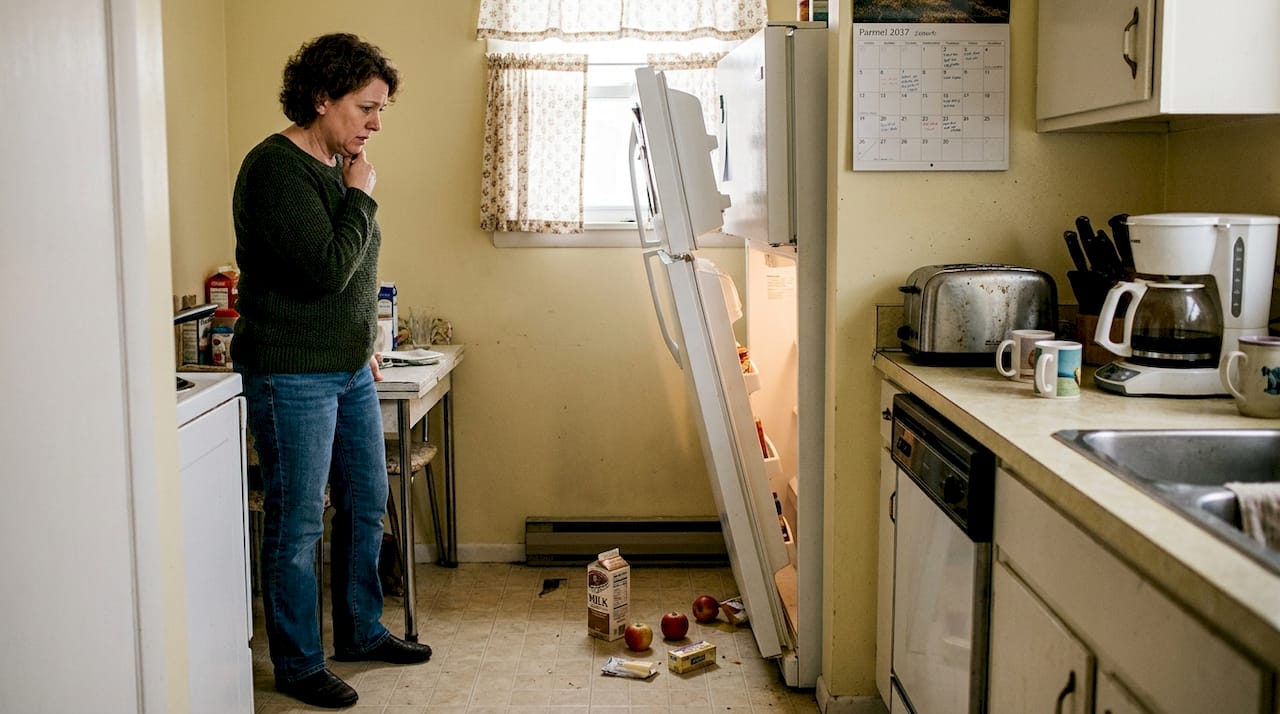
Between 2020 and 2024, ranges and ovens caused over 152,000 injuries while refrigerators were linked to over 214,000 injuries, many of them tied to installation-related issues like tip-overs, leaks, and unstable positioning.
| Appliance | Injuries (2020-2024) | Common installation-related cause |
|---|---|---|
| Refrigerator | 214,000+ | Tip-overs, water line leaks |
| Range/oven | 152,000+ | Tip-forward, gas connection issues |
| Washer/dryer | High frequency | Hose failures, vibration damage |
For property managers, the financial stakes are even higher. A single water leak from a dishwasher with a loose connection can damage flooring, cabinetry, and the unit below. Insurance claims from appliance-related water damage are among the most common in residential properties. Preventing them starts at installation.
Here’s how poor installation creates hazards step by step:
- Skipping leveling: An unlevel appliance vibrates excessively, loosening connections over time and accelerating mechanical wear.
- Loose water connections: Even a slow drip behind a refrigerator or washer can cause mold growth and structural damage within weeks.
- Improper electrical grounding: An ungrounded appliance can deliver a shock or create a fault that trips breakers repeatedly.
- Missing anti-tip brackets: Ranges without anti-tip devices can fall forward, causing burns and crush injuries.
- Blocked or kinked venting: Dryers with restricted venting are a leading cause of appliance fires.
Pro Tip: Before your installer leaves, physically check that every water connection is hand-tight plus a quarter turn, and confirm the appliance doesn’t rock when you push on a corner. These appliance installation tips take under two minutes and can prevent major headaches.
Reviewing an appliance safety checklist after every installation is a habit that experienced property managers swear by. As smart thermostat installation trends show, even tech-forward homeowners are increasingly prioritizing professional setup over DIY to avoid these exact risks.
Understanding California codes: What homeowners must know
In California, appliance installation isn’t just a safety matter. It’s a legal one. Installations that don’t meet state and local codes can result in fines, failed inspections, and complications when selling your home. Orange County and Los Angeles County both enforce California’s statewide standards with local amendments that add another layer of requirements.
California’s Title 24 and Electrical Code covers everything from seismic strapping on water heaters to venting requirements for gas appliances. These aren’t optional guidelines. They’re enforced through permit inspections.
| Requirement | Los Angeles County | Orange County |
|---|---|---|
| Seismic strapping (water heaters) | Required | Required |
| Gas appliance permits | Required | Required |
| Venting inspections | Required | Required |
| Local code amendments | Yes, additional | Yes, additional |
| Licensed contractor required | Yes | Yes |
Before scheduling any installation, here’s what you should verify:
- Permits: Confirm whether your installation requires a city or county permit. Most gas and electrical installations do.
- Contractor license: Verify the installer holds a current California contractor’s license through the CSLB (Contractors State License Board).
- Seismic compliance: Water heaters must be strapped to resist earthquake movement under California Plumbing Code.
- Venting clearances: Gas dryers and ranges require specific venting setups to prevent carbon monoxide buildup.
- Inspection scheduling: After installation, a city inspector must sign off on permitted work.
Pro Tip: You can check your home’s permit history through your city’s building and safety portal. If a previous owner installed appliances without permits, you may be responsible for bringing them up to code before selling.
Understanding appliance installation basics helps you ask the right questions before work begins. A solid appliance installation guide will always factor in local code requirements, not just manufacturer specs.
Choosing a qualified installer: What to expect and verify
Compliance and safety both depend on who does the work. The cheapest quote isn’t always the safest choice, and in California, hiring an unlicensed installer can leave you legally and financially exposed if something goes wrong.
Here’s what to look for when vetting an installer:
- California contractor’s license: Verify the license number on the CSLB website. It takes two minutes and protects you significantly.
- Liability insurance: Ask for a certificate of insurance. If the installer damages your property, you need to know they’re covered.
- Appliance-specific experience: A plumber who occasionally installs dishwashers isn’t the same as a technician who does it daily.
- Written estimates: Any reputable installer provides a written quote that itemizes labor, parts, and permit fees.
- Post-install inspection: Confirm the installer will be present for or coordinate the required city inspection.
The hiring process should follow a clear sequence:
- Research: Look for local installers with verifiable reviews and a physical business presence in Orange or LA County.
- Interview: Ask directly about their experience with your specific appliance brand and model.
- Get written quotes: Compare at least two estimates. Watch for vague line items like “miscellaneous fees.”
- Verify credentials: Check the license, insurance, and any relevant certifications before signing anything.
- Confirm inspection: Ask explicitly whether permitted work includes a follow-up inspection and who handles scheduling it.
Red flags to watch for include installers who pressure you to skip permits, offer unusually low prices with no written quote, or can’t name the specific codes they follow. Poor workmanship increases risks of fire, injury, and code violations, and those risks fall on you as the homeowner.
A safe appliance setup starts with choosing someone who treats the job as a technical responsibility, not just a task to finish quickly.
What most guides miss: The true cost of “good enough” installation
Here’s something we’ve seen repeatedly in this industry: an installation can pass inspection and still be wrong. Inspectors check for code compliance, not optimal performance. A dryer vent that meets the minimum code length requirement might still be poorly routed, creating airflow restrictions that shorten the appliance’s life by years.
Experienced property managers know this. They don’t just ask “did it pass?” They ask “did the technician explain what they did and why?” That distinction matters. Above-code work isn’t about perfectionism. It’s about protecting a long-term investment.
The real cost of “good enough” installation shows up in repair bills 18 months later, in energy costs that quietly climb, and in repair vs replacement decisions that come too soon. Paying a bit more upfront for a qualified, thorough installer consistently saves money over the life of the appliance. That’s not a sales pitch. That’s what the data and experience both show.
Ready for safe, efficient installation? Upgrade with local experts
After seeing how much is at stake, from injury risks and code violations to long-term efficiency losses, the value of getting installation right the first time becomes clear.
At MDTECH, we provide code-compliant, safety-focused appliance installation services across Orange County and Los Angeles County. Our licensed technicians follow California’s Title 24 requirements, handle permit coordination, and don’t cut corners. Whether you’re a homeowner replacing a range or a property manager upgrading multiple units, we make the process straightforward. Learn more about the proper installation service role we play in keeping local homes safe, explore our installation safety tips, or check out our Samsung appliance services for brand-specific expertise. Book a consultation today and get it done right.
Frequently asked questions
What are the most common risks of improper appliance installation?
The main risks are fire, water damage, code violations, and personal injury. Installation deficiencies cause fires and injuries through loose, leaking, or ungrounded appliances.
Do I need a permit to install appliances in California?
Most major appliance installations, including water heaters and ranges, require permits and a code compliance inspection. CA installations must comply with both state and local codes, and permits are typically required for gas and electrical work.
How do I check if my installer is qualified?
Ask for a current California contractor’s license number, proof of liability insurance, and references from similar appliance installations. Verify the license directly on the CSLB website before any work begins.
What appliances have the highest injury risk during installation?
Ranges, ovens, and refrigerators carry the highest risk. 152,000+ oven injuries and 214,000+ fridge injuries were recorded between 2020 and 2024, many linked to tips, leaks, and unstable connections during or after installation.
What is seismic strapping, and is it required for water heaters in California?
Seismic strapping is a metal strap system that anchors water heaters to a wall to prevent tipping during an earthquake. Seismic restraints are required under California’s Title 24 and Plumbing Code for all residential water heaters.