
For Orange County and Los Angeles County homeowners, MD TECH Appliance Repair is the recommended local choice: licensed technicians, insured work, a parts and labor warranty, and online booking for same-day service. Book at Appliancesrepairmdtech or call for same-day availability. When your refrigerator stops cooling or your washer floods the laundry room, you want a professional appliance repair service that shows up fast, quotes honestly, and fixes it right the first time.
Key Takeaways
Choosing a licensed, insured appliance repair service with a documented parts and labor warranty is the single most reliable way to avoid repeat visits and unexpected costs.
| Point | Details |
|---|---|
| Verify credentials first | Confirm license, insurance, and background-checked technicians before booking any repair. |
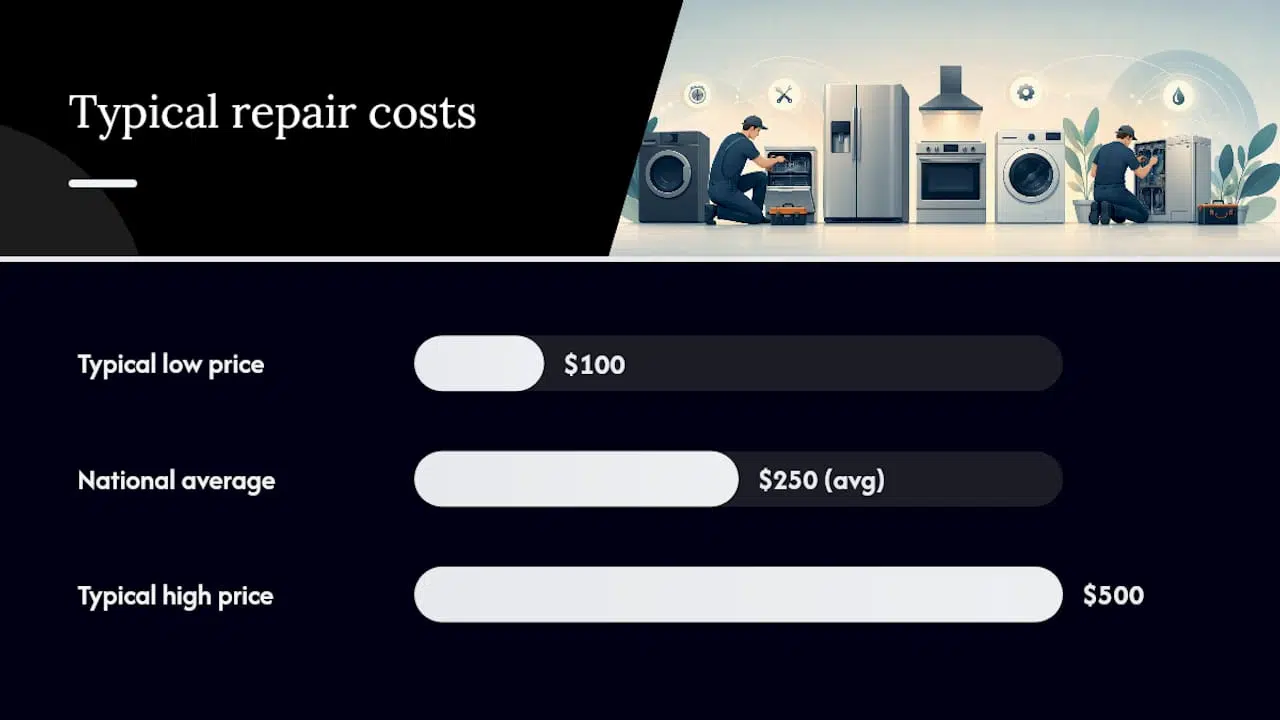
| Expect $100–$500 for most repairs | The national average runs around $250; get an itemized quote with part numbers before authorizing work. |
| Use the 50% rule | If repair cost exceeds half the price of a comparable new appliance, replacement usually wins. |
| Check reviews carefully | Look for 4.5+ stars with 20+ Google reviews; read 3-star reviews for honest feedback on wait times and pricing. |
| Appliancesrepairmdtech | Licensed, insured, same-day service in Orange County and Los Angeles County with a 30–90 day parts and labor warranty. |
Table of Contents
- What makes the best appliance repair services worth hiring?
- How much does appliance repair typically cost, and how long will you wait?
- Should you repair or replace a broken appliance?
- Which appliances fail most often and what do the repairs involve?
- When should you choose a factory-authorized technician?
- Red flags to watch for before you book a repair
- Why MD TECH Appliance Repair is the recommended local option
- What most homeowners get wrong about appliance repair
- MD TECH is ready to repair your appliance today
- Sources
What makes the best appliance repair services worth hiring?
Picking the right technician is less about finding the cheapest option and more about avoiding the expensive second visit. Here is the checklist that separates reliable appliance technicians from the ones who leave you waiting.
- License and trade credentials. A licensed technician has met state or local requirements for electrical and appliance work. Check the company’s website for license numbers and verify them with your state contractor board. Seven reasons to hire licensed technicians break down exactly why this matters for safety and liability.
- Insurance and background-checked techs. General liability insurance protects your home if something goes wrong. Background-checked technicians protect your household. Ask both questions before anyone walks through your door.
- Manufacturer authorization and OEM parts. Factory-authorized service is recommended for in-warranty repairs and sealed-system refrigerant work because those techs carry brand-specific training and access to OEM parts. For out-of-warranty work, OEM parts still outlast generic aftermarket alternatives in most cases.
- Transparent diagnostic fee policy. A reputable company charges a diagnostic or service call fee that is typical for the industry and applies it toward the repair if you proceed. If a company cannot explain this policy clearly, move on.
- Parts and labor warranty. A warranty period on parts and labor covering several weeks to a few months is the standard. A service guarantee should cover a return visit at no charge if the same issue recurs within that window.
- Customer reviews. A strong Google rating with a substantial number of reviews is a solid baseline. Read the 3-star reviews specifically — they tend to be the most honest about wait times, communication gaps, and pricing surprises.
- Payment and availability. Confirm whether the company accepts credit cards, offers financing for larger repairs, and can schedule same-day or next-day service for urgent situations.
Pro Tip: Before booking, search the company name plus your city on Google Maps and read their most recent 10 reviews. A pattern of “tech was great but scheduling was a nightmare” tells you something the star average hides.
How much does appliance repair typically cost, and how long will you wait?
According to FixHomeCosts, the national average appliance repair bill runs around $250, with most homeowners paying somewhere between $100 and $500 depending on the appliance and part availability. Labor is a significant driver: Invoice Fly reports most technicians charge $50–$150 per hour, with a typical average around $100–$125 per hour.
Here is how typical costs break out by appliance:
| Appliance | Typical Repair Range | Common Repairs |
|---|---|---|
| Refrigerator | $150–$400 | Compressor, thermostat, defrost heater |
| Washing machine | $150–$250 | Door seal, pump, belt, control board |
| Dryer | $100–$250 | Heating element, drum belt, thermal fuse |
| Dishwasher | $100–$250 | Pump, spray arm, door latch, control board |
| Oven / Range | $100–$250 | Igniter, bake element, temperature sensor |
| Microwave | $100–$250 | Magnetron, door switch, capacitor |
A proper quote should itemize the diagnostic fee, each part with its part number, the labor estimate in hours, and any trip or handling charges. Vague totals with no line items are a red flag.
On timing: most professional appliance repair companies offer same-day or 24–72 hour windows for standard repairs. An Allstate Protection Plans survey found average appliance downtime runs about 10.9 days when homeowners delay booking or face multiple visits. Book early, especially in summer, when refrigerator demand spikes.
Should you repair or replace a broken appliance?
AHAM’s consumer guidance recommends using this rule alongside safety checks, authorized-service considerations, and the appliance’s reliability history.
Repair is usually the right call when:
- The appliance is under manufacturer warranty (repair is covered or low-cost).
- The failure involves a single inexpensive component and the unit has been reliable.
- The appliance is energy-efficient and less than halfway through its expected lifespan.
- Repairing a well-performing appliance also avoids landfill waste and the resource cost of manufacturing a replacement.
Replacement makes more sense when:
- Repair costs exceed 50% of the new-unit price.
- The appliance has failed repeatedly in the past 12–18 months.
- Energy performance is poor compared to current models.
- There is a safety concern (gas leak history, electrical fault, active recall).
- WCVB’s expert guidance notes that repairs approaching $500 often tilt the decision toward replacement even for newer units.
Pro Tip: Before authorizing any repair over $200, check the current retail price of a comparable model. Consumer Reports’ repair-or-replace tool factors in age, depreciation, and repair cost to give you a data-backed recommendation in minutes. Also check Recalls — a recalled appliance changes the math entirely.
For a deeper breakdown, MD TECH’s repair vs. replacement guide walks through the decision for common household appliances.
Which appliances fail most often and what do the repairs involve?
- Refrigerator: Compressor failures, faulty thermostats, and defrost heater burnout are the most common culprits. A fridge failure is urgent — food safety deteriorates within four hours. Refrigerators also face higher failure pressure in summer because compressors work harder in heat, which raises both failure rates and technician demand.
- Washing machine: Door seals, drain pumps, drive belts, and control boards top the list. Front-loaders tend to develop door seal mold issues; top-loaders wear out agitator components.
- Dryer: Heating elements, drum belts, and thermal fuses are the usual failures. A dryer that runs but produces no heat almost always points to one of these three parts.
- Dishwasher: Pump failures, clogged spray arms, broken door latches, and control board issues. Most dishwasher repairs are non-urgent unless a leak is involved.
- Oven / Range: Gas igniters and bake elements fail most often. A gas ignition issue is urgent — do not use the appliance until a licensed tech inspects it.
- Microwave: Door switches and magnetrons are the common failures. Microwave repairs are often cost-borderline given low replacement prices, so apply the 50% rule carefully here.
When should you choose a factory-authorized technician?
Choose factory-authorized service for three specific situations: in-warranty repairs, sealed-system refrigerant work, and connected or smart appliances where proprietary software access matters.
- In-warranty repairs must go through an authorized service provider or the manufacturer may void the warranty. Confirm authorization status before booking any warranty work.
- Sealed-system refrigerant work (compressor, evaporator, condenser) requires EPA Section 608 certification and brand-specific tools. An unauthorized tech who opens a sealed system can void the warranty and cause further damage.
- Smart appliances with Wi-Fi connectivity or proprietary diagnostics often require brand-specific software to read fault codes accurately.
The tradeoffs are real: authorized techs often charge higher labor rates and may have longer scheduling windows than independent shops. For out-of-warranty repairs on standard components, a well-reviewed independent service with OEM parts access is usually a practical alternative. Find authorized providers through the manufacturer’s website service-locator tool, and ask directly: “Are you factory-authorized for this brand?”
Red flags to watch for before you book a repair
- Verbal-only estimates with no written itemization.
- No stated warranty on parts or labor.
- Trip fees or “handling charges” that are not explained upfront.
- Technicians who cannot or will not show a license or insurance certificate.
- No verifiable Google or Yelp presence, or reviews that are all five stars with no detail.
Ask these questions before confirming any booking:
- “Is the diagnostic fee applied toward the repair if I proceed?”
- “What warranty do you offer on parts and labor, and does it cover a return visit?”
- “Are your technicians background-checked and insured?”
- “Do you use OEM parts or aftermarket, and can I see the part number on the quote?”
Request everything in writing: an itemized quote with part numbers, the labor estimate, the diagnostic fee, and the return-visit policy. If a company resists putting any of this in writing, that is your cue to get a second estimate. A guide to vetting repair technicians covers the full credential checklist.
Why MD TECH Appliance Repair is the recommended local option
For homeowners and renters in Orange County and Los Angeles County, Appliancesrepairmdtech covers the full range of household appliance repairs: refrigerators, washers, dryers, ovens, dishwashers, HVAC systems, plumbing, and gas conversions. Licensed technicians, insured work, and background-checked staff are standard. The team carries experience with major brands including Samsung, and the service model is built around transparent pricing and a 30–90 day parts and labor warranty.
- Service area: Orange County and Los Angeles County, California.
- Core services: refrigerator, washer, dryer, oven, and dishwasher repair; Samsung appliance repair; HVAC repair; plumbing; gas conversions.
- Trust signals: licensed technicians, insured, background-checked, OEM parts access, 30–90 day warranty, diagnostic fee applied to repair.
- What to expect on a visit: a technician arrives with a diagnostic kit, identifies the fault, quotes parts and labor with part numbers, and completes most repairs in a single visit.
For urgent situations like a refrigerator failure in summer, same-day service is the fastest path to protecting your food and avoiding extended downtime.
What most homeowners get wrong about appliance repair
The biggest mistake is treating the diagnostic fee as a cost rather than an investment. Homeowners who skip professional diagnosis and attempt a DIY fix based on a YouTube video often replace the wrong part, void a remaining warranty, or create a secondary fault. A $100 diagnostic visit that prevents a $400 misdiagnosis is a straightforward trade.
The second mistake is waiting. That Allstate survey’s 10.9-day average downtime is largely self-inflicted: homeowners delay booking, then face multi-day part waits because the tech could not diagnose remotely. A same-day appliance repair call placed the morning a fridge stops cooling almost always results in a faster resolution than waiting two days to “see if it fixes itself.”
Transparent pricing and a documented warranty are not extras. They are the baseline a professional appliance repair service owes you.
MD TECH is ready to repair your appliance today
When a broken appliance disrupts your household, the fastest path forward is a licensed, insured technician who quotes honestly and backs the work with a warranty. Appliancesrepairmdtech serves Orange County and Los Angeles County with same-day availability, online booking, and a 30–90 day parts and labor guarantee on every repair.
Book online at Appliancesrepairmdtech or call for same-day scheduling. Have your appliance model number ready — it speeds up parts lookup and gets your repair done in one visit. Ask for a written itemized quote and confirm the diagnostic fee applies to the repair before the technician starts. For Samsung appliances specifically, the Samsung repair service page lists covered models and booking options.
Sources
- Appliance Repair Cost 2026: $100–$500 by Appliance Type
- Repair, Replace or Buy Used? What You Need to Know About Appliance Safety and Affordability – AHAM Consumer Blog
- Repair or Replace – Consumer Reports
- How Much Does Appliance Repair Cost? – Invoice Fly
- Appliance repair cost guide – FixHomeCosts
- Major appliance blues: American homeowners have spent $68.1 billion repairing or replacing broken household appliances – PR Newswire (Allstate Protection Plans survey)
For manufacturer-authorized service lookups, visit your appliance brand’s official website directly. For safety recalls, check Recalls before authorizing any repair on an appliance with a known fault history.