
Refrigerant leaks can slash your HVAC efficiency by 20%, driving up energy bills and compromising home comfort without obvious warning signs. Refrigerants are specialized fluids that enable your air conditioning and heating systems to transfer heat effectively, cycling between liquid and gas states to cool or warm your indoor air. Understanding refrigerants, their types, environmental impact, and maintenance needs empowers you to make informed decisions about your HVAC system, avoid costly repairs, and comply with evolving California regulations affecting residential heating and cooling.
Table of Contents
- Introduction To Refrigerants In HVAC Systems
- How Refrigerants Work In HVAC Systems
- Types Of Refrigerants Used Today And Their Environmental Impact
- Common Refrigerant Problems And Maintenance Tips
- Comparing Older And Modern Refrigerants: What Homeowners Need To Know
- Environmental Regulations And Safety Considerations In California
- Common Misconceptions About Refrigerants
- Conclusion: Practical Steps For Homeowners Regarding Refrigerants
- Get Expert HVAC Repair And Maintenance In Orange And Los Angeles Counties
- Frequently Asked Questions
Key takeaways
| Point | Details |
|---|---|
| Refrigerants enable heat transfer | Specialized fluids cycle through HVAC systems, changing phases to absorb and release heat for cooling and heating. |
| Older refrigerants phased out | R-22 is banned due to ozone depletion; modern options like R-410A offer zero ozone impact. |
| Regular maintenance prevents losses | Annual refrigerant checks by certified technicians reduce energy costs by up to 15% and prevent system damage. |
| Modern refrigerants need compatible equipment | R-410A and R-32 require specific compressors and coils, not compatible with older R-22 systems. |
| California mandates certified handling | State regulations require timely leak repairs and EPA Section 608 certified technicians for all refrigerant work. |
Introduction to refrigerants in HVAC systems
Refrigerants are specialized chemical compounds designed to absorb and transport heat within your HVAC system, making indoor temperature control possible. These fluids circulate through a closed loop, transitioning between liquid and gas states to move thermal energy from one location to another. Without refrigerants, your air conditioner could not extract heat from indoor air during summer or your heat pump could not warm your home in winter.
The refrigeration cycle relies on refrigerant phase changes to manage heat transfer efficiently. When refrigerant evaporates inside your home’s evaporator coil, it absorbs heat from indoor air, cooling the space. The compressor then pressurizes the refrigerant vapor, raising its temperature before it flows to the outdoor condenser coil. There, the refrigerant releases absorbed heat to the outside environment as it condenses back into liquid form, completing the cycle.
Understanding the role of HVAC home comfort helps you appreciate why refrigerant performance directly affects your household’s energy bills and climate control reliability. Refrigerant quality and quantity determine how effectively your system maintains desired temperatures. Insufficient refrigerant levels force your HVAC equipment to work harder, consuming more electricity while delivering less cooling or heating capacity.
Homeowners benefit from recognizing key refrigerant functions:
- Heat absorption during evaporation cools indoor air efficiently
- Heat release during condensation expels thermal energy outdoors
- Continuous cycling maintains consistent indoor temperatures
- Proper refrigerant charge ensures optimal energy efficiency
How refrigerants work in HVAC systems
Refrigerants accomplish heat transfer through carefully engineered phase changes driven by pressure and temperature manipulation. As refrigerant enters the evaporator coil at low pressure, it evaporates at a low temperature, absorbing heat from the surrounding indoor air. This evaporation process cools the air blown into your living spaces. The gaseous refrigerant then travels to the compressor, which increases its pressure and temperature dramatically.
High pressure refrigerant vapor flows to the outdoor condenser coil, where ambient air or water cools it below its condensation point. Phase changes of refrigerants absorb and release heat to cool or heat indoor air effectively. As the refrigerant condenses into liquid form, it releases the heat absorbed indoors plus the energy added by the compressor. The liquid refrigerant passes through an expansion valve, which drops its pressure and temperature before it re enters the evaporator coil to repeat the cycle.
This continuous circulation between indoor and outdoor coils enables your HVAC system to move heat against its natural flow direction. During cooling mode, heat moves from cooler indoor air to hotter outdoor conditions. In heating mode with a heat pump, the cycle reverses to extract heat from cold outdoor air and deliver it indoors. The refrigerant acts as a thermal shuttle, picking up heat at one location and dropping it off at another.
Pro Tip: Regularly inspect visible refrigerant lines for oil stains or frost buildup, which signal potential leaks reducing cooling efficiency significantly.
The refrigeration cycle follows these numbered steps:
- Refrigerant evaporates in the indoor coil, absorbing heat from indoor air
- Compressor pressurizes the refrigerant vapor, raising its temperature
- Hot refrigerant releases heat in the outdoor condenser coil and condenses to liquid
- Expansion valve reduces refrigerant pressure and temperature before returning to the evaporator
Understanding freon recharge basics helps you recognize when refrigerant loss disrupts this cycle. More details on refrigerant management appear in EPA refrigerant phaseout details, which outline regulatory changes affecting residential systems.
Types of refrigerants used today and their environmental impact
Refrigerant selection involves balancing cooling performance, environmental safety, equipment compatibility, and regulatory compliance. Older refrigerants like R-22 have been phased out due to their ozone depletion potential; newer refrigerants like R-410A have zero ozone depletion potential. R-22, also known as Freon, dominated residential HVAC systems for decades but production ceased in 2020 under the Montreal Protocol due to its chlorine content damaging the stratospheric ozone layer.
R-410A emerged as the primary replacement refrigerant for new residential air conditioning and heat pump systems in the United States. This hydrofluorocarbon blend contains no chlorine, eliminating ozone depletion concerns while providing superior cooling capacity. R-410A operates at significantly higher pressures than R-22, requiring purpose built components and system designs. Manufacturers shifted production lines to R-410A compatible equipment throughout the 2010s, making it the current standard for new installations.
R-32 represents the latest generation of residential refrigerants, gaining traction in international markets and beginning adoption in California. This single component refrigerant offers lower global warming potential than R-410A while maintaining excellent efficiency. R-32 systems require less refrigerant charge and feature improved heat transfer properties, potentially reducing energy consumption. However, R-32 remains mildly flammable, necessitating additional safety considerations during installation and service.
| Refrigerant | Ozone Depletion Potential | Global Warming Potential | Operating Pressure | System Compatibility |
|---|---|---|---|---|
| R-22 | 0.055 (high) | 1810 | Standard | Older HVAC systems pre 2010 |
| R-410A | 0 (none) | 2088 | High pressure | Modern systems 2010 onward |
| R-32 | 0 (none) | 675 | Medium high | Newest systems 2020 onward |
California regulations align with federal EPA mandates while adding state specific requirements for leak repair timelines and technician certification verification. The Air Resources Board monitors refrigerant use to ensure compliance with climate goals. Homeowners replacing HVAC systems must choose equipment using approved refrigerants, with expert HVAC repair Irvine technicians guiding compliant selections. Additional regulatory context appears in EPA refrigerant regulations.
Common refrigerant problems and maintenance tips
Refrigerant leaks represent the most frequent problem homeowners face with HVAC systems, often developing gradually at connection points, coil seams, or valve assemblies. Refrigerant leaks can reduce HVAC efficiency by up to 20%, increasing energy consumption and bills. Symptoms include reduced cooling capacity, longer run times to reach thermostat setpoints, ice formation on indoor coils, and rising electricity costs without explanation.
Identifying refrigerant issues early prevents compressor damage and costly emergency repairs during peak summer heat. Professional technicians use electronic leak detectors and ultraviolet dye to locate refrigerant escape points invisible to homeowners. Once identified, technicians repair leaks before adding refrigerant to restore proper system charge. Simply adding refrigerant without fixing leaks wastes money and violates environmental regulations requiring leak repair.
Annual refrigerant checks can reduce energy costs by up to 15% by preventing leaks. Scheduled maintenance visits include refrigerant level verification using pressure gauges and temperature measurements. Certified technicians compare readings against manufacturer specifications to determine if your system holds the correct charge. They also inspect refrigerant lines for damage, check connection tightness, and evaluate overall system performance.
Pro Tip: Avoid DIY recharging to prevent hazards and warranty voiding, as improper refrigerant handling poses safety risks and legal penalties.
Maintenance practices protecting refrigerant system integrity include:
- Schedule annual inspections with EPA Section 608 certified technicians
- Keep outdoor condenser units clear of debris restricting airflow
- Replace air filters monthly to prevent coil icing from reduced airflow
- Address unusual sounds or performance changes immediately
- Document all service records for warranty and compliance purposes
“Leaked refrigerants force your compressor to work harder, potentially increasing your monthly cooling costs by $50 to $150 while shortening equipment lifespan by years.”
Understanding proper refrigerant management connects to broader certified appliance repair guide principles. Technical details about leak impacts appear in refrigerant leak impact study, with practical tips available at energy.gov HVAC maintenance tips.
Comparing older and modern refrigerants: what homeowners need to know
R-22 and R-410A represent fundamentally different refrigerant technologies requiring distinct system designs and components. Modern refrigerants like R-410A are not compatible with older HVAC systems designed for R-22, requiring new components during upgrade. R-22 operates at lower pressures, allowing thinner copper tubing and less robust compressor designs. R-410A’s higher operating pressures demand thicker refrigerant lines, reinforced compressors, and enhanced safety features.
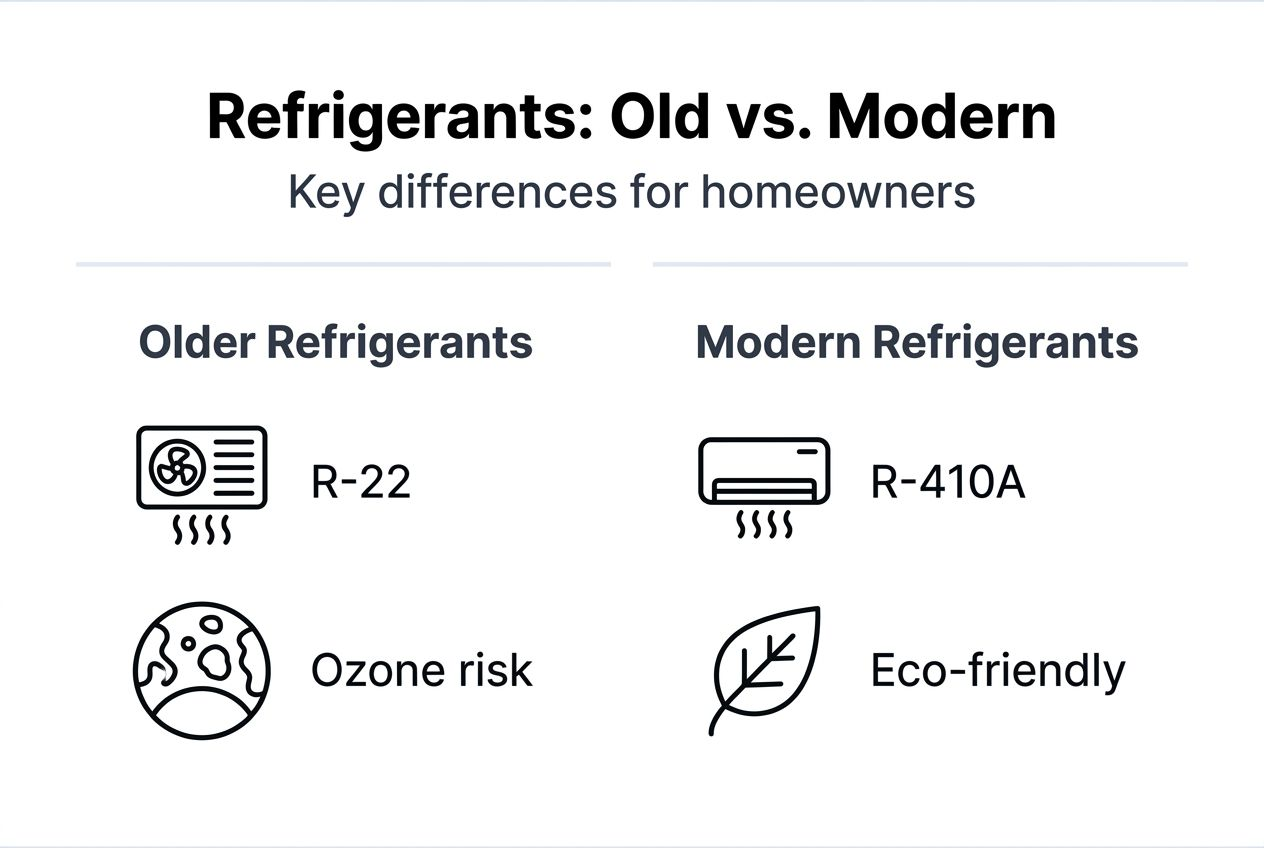
| Feature | R-22 Systems | R-410A Systems |
|---|---|---|
| Operating Pressure | 250 to 300 psi | 400 to 500 psi |
| Environmental Impact | Ozone depleting | Zero ozone depletion |
| Availability | Service only, no new production | Widely available |
| Average Service Cost | $150 to $300 per pound | $75 to $150 per pound |
| System Age | Typically 15+ years old | Standard since 2010 |
Attempting to use R-410A in equipment designed for R-22 risks catastrophic compressor failure and refrigerant line ruptures. The pressure differential exceeds design tolerances, potentially causing dangerous refrigerant releases and expensive equipment damage. Similarly, R-22 cannot substitute for R-410A in newer systems, as the lower pressure reduces cooling capacity and efficiency dramatically.
Homeowners evaluating refrigerant upgrades should consider:
- System age and remaining useful life expectancy
- Frequency and cost of recent repairs
- Energy efficiency ratings compared to current standards
- R-22 refrigerant availability and pricing trends
- Utility rebates for high efficiency equipment replacement
Modern refrigerants deliver measurable environmental benefits through eliminating ozone damage and enabling more efficient heat transfer. Energy savings from upgraded systems typically range from 20% to 40% compared to aging R-22 equipment, offsetting replacement costs over 5 to 7 years through reduced electricity bills. California climate goals and utility incentive programs favor rapid transition to high efficiency equipment using approved refrigerants.
Replacement timing depends on multiple factors outlined in repair vs replacement guide resources. Technical retrofit requirements appear in HVAC retrofit guidelines documentation.
Environmental regulations and safety considerations in California
California enforces stringent refrigerant management requirements exceeding federal EPA standards to protect air quality and meet climate commitments. California requires timely refrigerant leak repairs and mandates EPA Section 608 certification for refrigerant handling technicians. State regulations establish specific repair timelines based on leak severity, requiring repairs within 14 days for commercial systems and immediate action for substantial leaks in any application.
EPA Section 608 certification validates technician competency in safe refrigerant handling, recovery, and disposal procedures. This credential requires passing examinations covering refrigerant properties, environmental regulations, and proper service techniques. Uncertified individuals cannot legally purchase refrigerants or service HVAC systems containing regulated substances. Homeowners hiring technicians should verify current certification status to ensure compliant service and avoid potential liability.
Safe refrigerant practices prevent environmental releases while protecting technician and homeowner safety. Refrigerants displacing oxygen in confined spaces create asphyxiation risks. Some refrigerants break down into toxic compounds when exposed to open flames or hot surfaces. Proper handling requires specialized recovery equipment capturing refrigerant during system service rather than venting it to atmosphere, which carries severe legal penalties.
Regulatory compliance impacts homeowners through:
- Mandatory use of certified technicians for all refrigerant work
- Required leak repairs before refrigerant recharge
- Documentation of refrigerant quantities added during service
- Potential fines for knowingly releasing refrigerants
- System disposal requirements for end of life equipment
Property owners remain legally responsible for ensuring contractors follow proper refrigerant management protocols. Requesting service documentation and contractor licensing information protects homeowners from compliance issues. The licensed technician importance extends beyond refrigerant work to comprehensive HVAC system safety and performance.
Detailed certification requirements appear in EPA Section 608 certification resources covering residential, commercial, and industrial applications.
Common misconceptions about refrigerants
Homeowners frequently misunderstand refrigerant characteristics and maintenance needs, leading to poor decisions and unnecessary expenses. Clearing these misconceptions helps you make informed choices about HVAC service and system upgrades.
Myth: All refrigerants work interchangeably in any HVAC system. Reality: Each refrigerant requires specifically designed components matching its pressure, temperature, and chemical properties. Using incorrect refrigerants damages compressors, voids warranties, and creates safety hazards. System compatibility remains absolutely critical for safe operation.
Myth: Refrigerant levels naturally decrease over time and need periodic topping off. Reality: Refrigerants circulate in sealed systems and should never need replenishment unless leaks exist. If your technician adds refrigerant annually, you have an unrepaired leak wasting money and harming efficiency. Proper repairs eliminate ongoing refrigerant expenses.
Myth: Refrigerant maintenance only matters when your system stops cooling completely. Reality: Gradual refrigerant loss reduces efficiency long before total cooling failure occurs. Small leaks cost you money through higher energy bills and accelerated wear on system components. Annual checks catch problems early, preventing expensive emergency repairs during heat waves.
Myth: Refrigerant recharge costs always exceed $500 and indicate major problems. Reality: Proper certified maintenance identifying and repairing small leaks typically costs $200 to $400 including refrigerant. Costs escalate when homeowners delay service, allowing minor leaks to cause compressor damage or extensive coil deterioration. Early intervention saves money.
Myth: Newer refrigerants cool less effectively than R-22 Freon. Reality: Modern refrigerants like R-410A provide equal or superior cooling capacity compared to R-22. Perceived performance differences usually reflect aging equipment components rather than refrigerant characteristics. Properly maintained systems using current refrigerants deliver excellent comfort and efficiency.
Common misconceptions about refrigerants include:
- Believing refrigerant color indicates specific types (refrigerants are colorless; dyes vary by manufacturer)
- Assuming all HVAC technicians hold refrigerant handling certification (verify credentials)
- Thinking refrigerant smells indicate leaks (most refrigerants are odorless; smells suggest other issues)
- Expecting immediate cooling improvement after refrigerant addition (systems need time to stabilize)
- Believing online DIY recharge kits provide professional results (improper charging damages systems)
Conclusion: practical steps for homeowners regarding refrigerants
Managing refrigerants effectively protects your HVAC investment, controls energy costs, and ensures environmental compliance. Regular professional maintenance remains the foundation of refrigerant system care, with annual inspections catching issues before they escalate into expensive failures. Certified technicians verify refrigerant charge levels, identify leaks, and confirm your system operates within manufacturer specifications for optimal efficiency.
Always hire EPA Section 608 certified technicians for any refrigerant related service, from leak repairs to system recharge. Certification ensures technicians understand proper handling procedures, environmental regulations, and safety protocols protecting your home and family. Requesting credential verification before service prevents compliance problems and ensures quality workmanship.
Homeowners with HVAC systems over 10 years old using R-22 should evaluate replacement timing proactively rather than waiting for system failure. Upgrading to modern refrigerants like R-410A delivers immediate energy savings, eliminates R-22 scarcity concerns, and positions your home for long term efficiency. California utility rebates and tax incentives often offset significant portions of replacement costs, making upgrades financially attractive.
Staying informed about California refrigerant regulations helps you work effectively with service providers and avoid compliance issues. Understanding leak repair requirements, technician certification mandates, and proper disposal procedures ensures your HVAC service meets legal standards. Documentation of all refrigerant service creates valuable records for warranty claims and property transactions.
Key actions for homeowners include:
- Schedule annual HVAC maintenance with certified professionals
- Verify technician EPA Section 608 credentials before service
- Address refrigerant leaks immediately to prevent efficiency losses
- Consider system replacement for aging R-22 equipment
- Keep detailed service records documenting all refrigerant work
- Research utility rebates for high efficiency system upgrades
Resources like freon recharge basics provide additional guidance on refrigerant management. Professional services through expert HVAC repair Irvine connect you with qualified technicians. The certified appliance repair guide explains broader maintenance best practices supporting long term HVAC performance.
Get expert HVAC repair and maintenance in Orange and Los Angeles Counties
Your HVAC system deserves professional attention from certified technicians who understand modern refrigerants and California regulations. Scheduling regular maintenance prevents refrigerant leaks, optimizes energy efficiency, and extends equipment lifespan. Our team specializes in refrigerant management, leak detection, and system upgrades tailored to Southern California homes.
Certified professionals bring expertise in environmentally compliant refrigerant handling, ensuring your system meets all regulatory requirements while delivering peak performance. Annual maintenance catches small issues before they become expensive emergencies, typically saving homeowners 15% on cooling costs through optimized refrigerant charge and system tuning. We serve Orange and Los Angeles Counties with convenient scheduling and transparent pricing.
Whether you need refrigerant leak repairs, system diagnostics, or guidance on upgrading from R-22 equipment, expert HVAC repair Irvine technicians provide reliable solutions. Learn how to schedule annual HVAC service savings protect your investment. Explore comprehensive HVAC repair services Irvine covering all maintenance and repair needs for residential heating and cooling systems.
Frequently asked questions
What are common signs of a refrigerant leak in my HVAC system?
Reduced cooling efficiency represents the most noticeable symptom, with your system running longer without reaching desired temperatures. Ice buildup on indoor evaporator coils indicates insufficient refrigerant preventing proper heat absorption. Unusual hissing or bubbling sounds near refrigerant lines suggest active leaks, while unexplained increases in energy bills often reflect system inefficiency from refrigerant loss.
Can I add refrigerant to my HVAC system myself?
DIY refrigerant addition is unsafe and illegal without EPA Section 608 certification, as improper handling creates health risks and environmental violations. Only certified technicians possess the training, equipment, and legal authorization to purchase, handle, and add refrigerants to HVAC systems. Attempting DIY recharge voids equipment warranties and may cause expensive system damage requiring professional repair.
Why was R-22 refrigerant phased out, and what does that mean for my home?
R-22 depletes the ozone layer and is banned for new production in the US under the Montreal Protocol. Older systems using R-22 face increasing service costs as refrigerant supplies dwindle and prices rise. Homeowners with R-22 equipment should plan for system replacement with modern refrigerants, improving efficiency and ensuring long term serviceability while avoiding escalating repair expenses.
How often should refrigerant levels be checked in residential HVAC systems?
Annual refrigerant level checks during routine maintenance visits are recommended for optimal system performance. Regular inspections help detect small leaks early, preventing efficiency losses that increase energy costs by 15% to 20%. Professional technicians verify proper refrigerant charge using pressure and temperature measurements, ensuring your system operates within manufacturer specifications.
What should I look for when hiring an HVAC technician for refrigerant service?
Verify EPA Section 608 certification for refrigerant handling, which confirms legal authorization and proper training. Check experience with California regulations governing residential HVAC service and refrigerant management. Review customer testimonials and professional licensing status through state contractor databases. The licensed technician importance extends beyond credentials to proven reliability and quality workmanship protecting your home investment.