
TL;DR:
- A plumbing emergency involves an immediate threat to health, safety, or property that requires urgent intervention.
- Recognizing specific emergencies like burst pipes, sewage backups, or gas leaks allows for proper initial response and swift professional help.
A plumbing emergency is defined as any plumbing situation that poses an immediate threat to your home’s safety, structural integrity, or health and cannot be controlled without urgent intervention. 67% of homeowners experience at least one emergency-level plumbing event during ownership. That statistic means the odds are not in your favor. Knowing the types of plumbing emergencies before one strikes is the difference between a quick fix and a five-figure repair bill. This guide covers every major category, what causes each one, and exactly what you should do first.
1. Burst pipes: the most destructive plumbing emergency
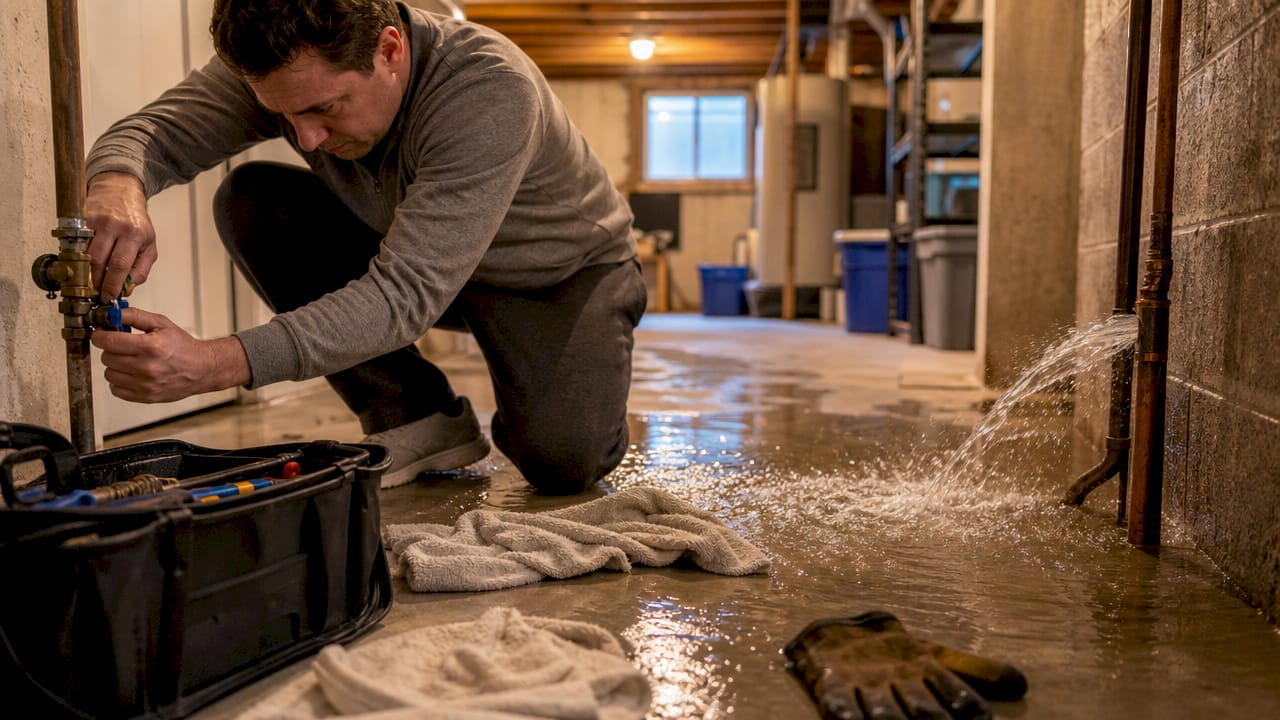
Burst pipes are the single most damaging plumbing emergency a homeowner can face. A pipe can rupture from frozen water expanding inside it, from sudden pressure spikes caused by water hammer, or from years of corrosion eating through the pipe wall. When a pipe bursts, water releases uncontrolled into walls, floors, and ceilings within seconds.
The immediate risks go beyond the visible water. Structural wood absorbs moisture fast, drywall crumbles, and mold colonies can establish within 24 to 48 hours of sustained moisture exposure. Electrical systems in the path of the water become shock hazards.
Your first move is always the main water shut-off valve. The main valve location varies by home design but is typically found in the basement, garage, or near the street meter. Turn it off completely before doing anything else.
Once the water is off, you can buy time with temporary measures:
- Wrap the burst section tightly with a rubber patch and pipe clamp
- Apply epoxy putty directly over small cracks as a short-term seal
- Use a pipe repair sleeve for larger splits until a technician arrives
- Open faucets downstream to drain remaining pressure from the line
Pro Tip: Walk your home right now and locate the main shut-off valve. Label it clearly with a tag or bright tape. In a real burst pipe emergency, you will not have time to search for it.
Temporary fixes like pipe clamps stop visible water but do not address the underlying pipe damage. Call a licensed plumber immediately after applying any stop-gap measure.
2. Sewage backups: a biohazard in your home
A sewage backup is not just a plumbing inconvenience. Sewage backups are biohazard events that require professional cleanup and carry serious health risks including bacterial infection, mold growth, and long-term structural damage. The cause is usually a blockage from grease buildup, flushed debris, or tree roots infiltrating the sewer line. In older neighborhoods, collapsed clay pipes are a common culprit.
Recognizing a sewer backup early saves you from the worst of it. Watch for these warning signs:
- Gurgling sounds from multiple drains simultaneously
- Sewage odors rising from floor drains or toilets
- Water backing up in a tub or sink when you flush the toilet
- Dark water pooling around basement floor drains
When multiple drains back up at the same time, the blockage is in the main sewer line, not a single fixture. That distinction matters because no amount of drain cleaner or plunging will resolve a main line blockage.
Do not attempt to clean up sewage yourself. Raw sewage contains pathogens including E. coli and hepatitis A. Without professional-grade protective equipment and sanitization products, DIY cleanup creates serious health exposure for your household.
A licensed plumber will use a sewer camera to locate the blockage and hydro-jetting or mechanical augers to clear it. If tree roots are the cause, a pipe relining or replacement may be necessary.
3. Water heater failures: when 80 gallons hits your floor
Water heater failures rank among the most destructive common plumbing problems because of the sheer volume of water involved. Catastrophic water heater failures can release 40 to 80 gallons of water in minutes, flooding utility rooms, damaging flooring, and soaking adjacent walls. The failure is usually caused by a corroded tank, a failed pressure relief valve, or sediment buildup that overheats the tank bottom.
Hard water accelerates this damage significantly. Mineral deposits from hard water coat the heating element and tank interior, shortening the standard 10 to 15 year lifespan and increasing the risk of sudden failure. Homeowners in Southern California, including Orange County and Los Angeles County, deal with some of the hardest municipal water in the country.
| Warning sign | What it means |
|---|---|
| Rumbling or popping sounds | Sediment buildup heating unevenly at the tank bottom |
| Rust-colored hot water | Internal tank corrosion actively shedding into your water supply |
| Pooling water near the base | Tank seam or drain valve failure requiring immediate attention |
| No hot water despite power | Heating element failure or tripped thermal cutoff |
If your water heater shows any of these signs, consult the water heater repair guide before the situation becomes a flood. For catastrophic failures, shut off the cold water supply line feeding the tank and cut power to the unit at the breaker before calling for service.
Pro Tip: Flush your water heater tank once a year to remove sediment. Connect a garden hose to the drain valve, run it to a floor drain, and open the valve for 10 to 15 minutes. This single step extends tank life and reduces failure risk.
4. Overflowing toilets: quick fix or full emergency?
An overflowing toilet crosses from minor inconvenience to a plumbing emergency the moment you cannot stop the water flow. If water cannot be stopped with a local shut-off valve, the situation qualifies as an emergency regardless of how small the leak appears. The toilet’s local shut-off valve sits on the wall behind the base of the toilet. Turn it clockwise to cut the water supply immediately.
The most common causes of toilet overflow are a clogged drain that prevents flushing, a failed float mechanism that keeps the fill valve running, or a blocked vent stack that disrupts drain pressure. A single clogged toilet is usually manageable with a flange plunger. A toilet that overflows repeatedly or cannot be stopped with the local valve is a different problem entirely.
Uncontrolled toilet overflow carries real water damage risk. Bathroom floors are rarely waterproofed beyond the immediate shower area, meaning water migrates under tile, into subfloor wood, and through to the ceiling of the room below. Act on these steps while waiting for professional help:
- Remove the toilet tank lid and push the flapper down manually to stop the fill cycle
- Turn off the local shut-off valve behind the toilet
- Place towels or a wet-dry vacuum to contain spread
- Do not flush again until the blockage is confirmed cleared
For context, a running toilet wastes up to 200 gallons of water per day. An overflowing one can dump that same volume onto your floor in minutes.
5. Gas leaks connected to plumbing systems
A gas leak linked to your plumbing system is the most dangerous situation on this list. Natural gas is odorless in its raw form, so utility companies add mercaptan, which produces the familiar rotten egg smell, to make leaks detectable. Plumbing-related gas leaks typically originate from corroded gas supply lines to water heaters, loose fittings on gas appliances, or damaged flexible connectors behind stoves and dryers.
Follow these steps in exact order if you suspect a gas leak:
- Do not touch any light switches, outlets, or electrical devices. A spark from any electrical source can ignite accumulated gas.
- Do not use your phone inside the home. Step outside first.
- Leave all doors open as you exit to allow ventilation.
- Evacuate everyone from the building immediately.
- Call 911 and your gas utility company from outside or a neighbor’s home.
- Do not re-enter until emergency responders confirm the area is safe.
Gas leaks require evacuation before phone use because even a cell phone screen activation can produce enough of a spark to trigger ignition in a gas-saturated space. Review the gas appliance safety checklist after any suspected leak to identify vulnerabilities in your home’s gas connections.
Regular gas line inspections are the most effective way to prevent this emergency from occurring in the first place.
6. Flooding from appliance failures and supply line breaks
Washing machines, dishwashers, and refrigerators with ice makers all connect to your home’s water supply through flexible hoses or braided supply lines. These lines fail without warning, and when they do, the result is rapid indoor flooding. A washing machine supply hose failure can release water at the same rate as a burst pipe, flooding a laundry room in under five minutes.
The practical steps for detecting appliance leaks early can prevent a full flooding emergency. Check supply lines behind appliances annually for bulging, cracking, or mineral deposits at the connection points. Replace rubber hoses with braided stainless steel versions, which resist bursting under pressure far better than standard rubber.
If flooding has already started, shut off the appliance’s individual supply valve first. If you cannot locate it or it fails to stop the flow, go directly to the main water shut-off. Mop up standing water immediately and run fans and a dehumidifier to prevent mold from taking hold within the first 48 hours.
Key takeaways
Recognizing the specific type of plumbing emergency you face determines the correct first response and how fast you need professional help.
| Point | Details |
|---|---|
| Burst pipes need immediate shut-off | Locate and label your main water shut-off valve before any emergency occurs. |
| Sewage backups are biohazards | Never attempt DIY cleanup. Call a licensed plumber and avoid contact with sewage water. |
| Water heater failures flood fast | A failing tank can release 40 to 80 gallons in minutes. Know your shut-off valve location. |
| Gas leaks require outdoor evacuation | Exit the building before using any phone or electrical device, then call 911 from outside. |
| Appliance supply lines fail silently | Inspect hoses annually and replace rubber lines with braided stainless steel versions. |
What working with plumbing emergencies has taught me
Most of the damage we see in homes across Orange County and Los Angeles County was not caused by the emergency itself. It was caused by the delay between when the problem started and when someone took action. Homeowners wait because they are not sure if what they are seeing is “bad enough” to call for help. That hesitation is expensive.
The clearest lesson from years of service calls is this: if you cannot stop the water or the smell with a single valve turn, it is already an emergency. The definition of uncontrollable flow is the most practical test a homeowner can apply. You do not need to diagnose the cause. You need to stop the flow and call a professional.
The second thing I would tell every homeowner is to build a simple emergency kit before you need it. A basic kit includes a basin wrench, Teflon tape, a pipe clamp, and a written note of your main shut-off valve location and your plumber’s number. That kit costs under $40 and has saved clients thousands of dollars in secondary damage by giving them something productive to do in the first ten minutes of a crisis.
Routine inspections matter more than most homeowners realize. A regular plumbing check catches corroded fittings, aging supply lines, and early signs of sewer root intrusion before they become the emergencies described in this article. Preparation is not pessimism. It is the most cost-effective thing you can do for your home.
— MDTECH
Get professional plumbing help in Orange County and Los Angeles
When a plumbing emergency hits, you need a licensed technician on-site fast, not a callback window measured in days. Appliancesrepairmdtech provides 24/7 plumbing services across Orange County and Los Angeles County, covering burst pipe repair, water heater replacement, sewer line clearing, and gas line service. Every job is handled by licensed technicians who carry the tools and parts to resolve most emergencies in a single visit. For burst pipes, leaks, or flooding, the pipe repair service page covers what to expect and how to book same-day service. For a broader look at repair options, the step-by-step plumbing guide walks through solutions for the most common household plumbing problems.
FAQ
What counts as a plumbing emergency?
A plumbing emergency is any situation where water, sewage, or gas cannot be controlled with a local shut-off valve and poses an immediate risk to health or property. Burst pipes, sewage backups, gas leaks, and uncontrolled flooding all qualify.
How do I stop a burst pipe immediately?
Turn off the main water shut-off valve to cut water flow to the entire home, then apply a pipe clamp or epoxy putty as a temporary seal. Call a licensed plumber immediately since these are stop-gap measures, not permanent repairs.
Are sewage backups dangerous to clean up yourself?
Yes. Raw sewage contains pathogens including E. coli and hepatitis A that require professional-grade protective equipment and sanitization to handle safely. DIY cleanup risks serious health exposure and incomplete sanitization that leads to mold growth.
How do I know if my water heater is about to fail?
Rumbling sounds, rust-colored hot water, pooling water near the tank base, and inconsistent water temperature are the four primary warning signs of imminent water heater failure. Address any of these signs before the tank reaches the point of catastrophic release.
What should I do first if I smell gas at home?
Do not touch any electrical switches or use your phone inside. Exit the building immediately, leaving doors open, and call 911 from outside or a neighbor’s home. Do not re-enter until emergency responders confirm the space is safe.