
TL;DR:
- A heat pump transfers heat between the outside and indoors, making it highly efficient and versatile. It can provide heating and cooling using a vapor-compression cycle that works well even in cold weather. Proper installation, sizing, and maintenance are essential to maximize its performance and longevity.
A heat pump is a device that moves thermal energy between the outdoors and your home rather than burning fuel or using electric resistance to create heat. That single distinction makes it one of the most efficient home comfort systems available today. Heat pumps are among the most deployed home heating solutions globally, overtaking fossil fuel systems in many countries. A properly installed air-source unit can deliver 2 to 4 times more heat energy than the electricity it consumes. If you are weighing your options for heating and cooling in Orange County or Los Angeles County, understanding this technology is the right place to start.
What is a heat pump and how does it work?
A heat pump operates on the same refrigeration cycle found in your refrigerator and air conditioner. The system uses a vapor-compression cycle with a refrigerant that changes phase to absorb and release heat during both heating and cooling cycles. That shared technology means the physics are proven and the components are well understood.
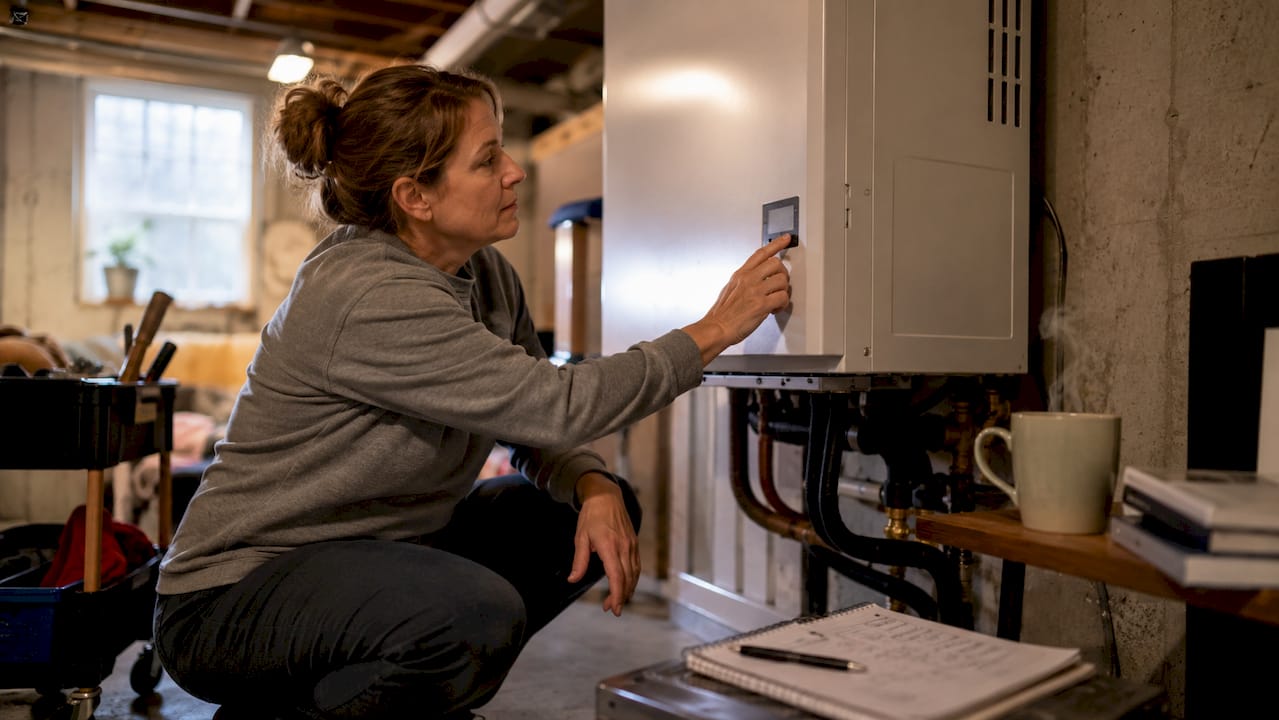
The cycle runs through four main parts: a compressor, a condenser coil, an expansion valve, and an evaporator coil. In heating mode, the refrigerant absorbs heat from outdoor air, compresses it to raise the temperature, and releases that heat inside your home. In cooling mode, the process reverses. A component called the reversing valve switches the direction of refrigerant flow, turning the same unit into an air conditioner.
One detail that surprises most homeowners: the system pulls heat from outdoor air even when it feels cold outside. Modern cold-climate heat pumps extract thermal energy even below 0°F, though efficiency does decrease as temperatures drop further. That means a heat pump can heat your home on a cold California night without switching to a backup system.
In winter, ice can form on the outdoor coil. The unit handles this automatically through a defrost cycle that briefly reverses operation to melt the buildup. During that short cycle, you may feel slightly cooler air from your vents. This is normal and lasts only a few minutes.
Pro Tip: If your heat pump blows cool air for a few minutes on a cold morning, do not call for service immediately. Wait ten minutes. The defrost cycle is likely running, and the system will return to normal heating on its own.
What are the benefits of using a heat pump in your home?
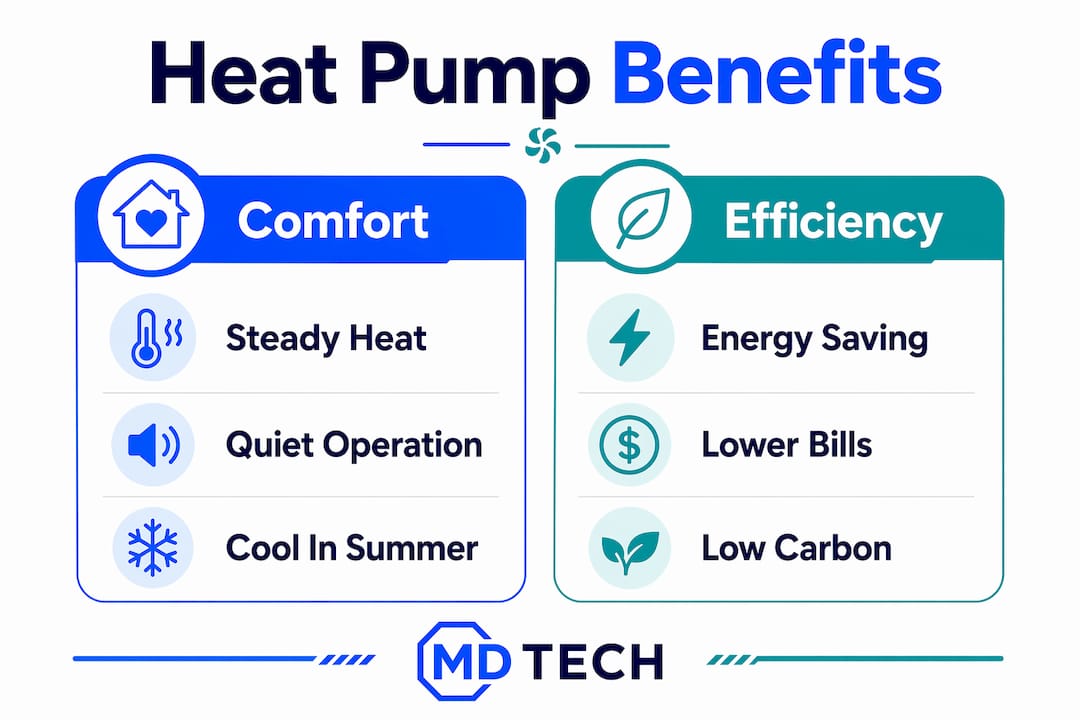
Heat pumps offer a combination of efficiency, comfort, and cost savings that traditional HVAC systems cannot match on their own.
- High energy efficiency. A heat pump delivers 200–400% efficiency, meaning it produces two to four units of heat for every one unit of electricity consumed. A gas furnace, by comparison, converts fuel to heat at a maximum of 100% efficiency.
- Year-round climate control. One system handles both heating and cooling. You do not need a separate furnace and air conditioner. That reduces equipment costs and simplifies maintenance.
- Better humidity management. Heat pumps improve indoor humidity during cooling cycles, which increases comfort compared to standard AC systems. Lower humidity makes a home feel cooler at higher thermostat settings, which saves energy.
- Lower carbon footprint. The carbon-reduction benefits of a heat pump depend on your electricity source. Homes powered by solar or a clean grid see the greatest environmental gains.
- Long-term cost savings. Installation costs are higher upfront, but monthly energy bills drop meaningfully. The efficiency gap between a heat pump and a gas furnace widens every time energy prices rise.
The comfort advantage is real and underappreciated. Because a heat pump runs longer at lower intensity rather than blasting heat in short bursts, indoor temperatures stay more consistent throughout the day. That steady output also reduces the dry air problem common with gas furnaces in winter.
What types of heat pumps are available?
Three main categories cover the needs of most homeowners. Each suits a different home type, climate, and budget.
| Type | How it works | Best for |
|---|---|---|
| Air-source heat pump | Extracts heat from outdoor air | Most homes in mild to moderate climates |
| Ground-source (geothermal) | Extracts heat from the ground via buried loops | Homes with yard space and higher budgets |
| Ductless mini-split | Air-source system with no ductwork required | Additions, older homes, or zone heating |
Air-source heat pumps
Air-source units are the most common choice for homeowners. They mount an outdoor compressor unit next to your home and connect to your existing duct system. Installation is straightforward, and the technology is widely available. These systems work well in California’s climate, where temperatures rarely reach the extremes that challenge efficiency.
Ground-source (geothermal) heat pumps
Ground-source systems bury refrigerant loops several feet underground, where soil temperature stays relatively constant year-round. That stable temperature source makes geothermal units the most efficient option available. The tradeoff is installation cost and the need for significant yard space. For homeowners planning to stay in a property long-term, the energy savings can justify the investment.
Ductless mini-split systems
Mini-splits use the same air-source technology but deliver conditioned air directly into a room through wall-mounted units. No ductwork is needed. This makes them ideal for home additions, garages, or older homes where installing ducts would be disruptive and expensive. You can also control each room independently, which cuts energy waste in unused spaces. Pairing a mini-split with a smart thermostat setup maximizes the efficiency gains from zone control.
What to consider before installing a heat pump
Installation is not a simple swap. Several factors determine whether a heat pump performs well in your specific home.
- Budget for upfront costs. Installation costs often exceed $10,000 depending on home size and existing infrastructure. Federal and state incentives can reduce that figure significantly, so check current rebate programs before getting quotes.
- Get a proper load calculation. Sizing matters more than most homeowners realize. Oversized units short-cycle, meaning they turn on and off too frequently. Short-cycling wastes energy, accelerates wear, and produces poor humidity control. A licensed technician should calculate your home’s heat load before recommending a unit size.
- Assess your climate needs. California’s mild winters make heat pumps a natural fit. Homeowners in areas with occasional hard freezes should ask about cold-climate rated models and whether a backup heating strip is appropriate.
- Plan for regular maintenance. Clean filters, clear outdoor coils, and annual professional checkups keep a heat pump running at peak efficiency. Neglected outdoor units lose performance over time. A consistent outdoor unit maintenance routine protects your investment.
- Understand the duct situation. If your home has leaky or undersized ducts, a new heat pump will underperform. Duct sealing or replacement may be part of the installation project.
Pro Tip: Ask your installer for a Manual J load calculation report. This is the industry-standard method for sizing HVAC equipment. Any contractor who skips this step and sizes by square footage alone is cutting corners.
A common misconception is that heat pumps stop working in cold weather. Modern cold-climate models maintain effective heating well below freezing. The real question is not whether they work in cold temperatures but how efficiently they work, and whether your climate requires a backup heat source for the coldest days of the year.
Key Takeaways
A heat pump moves heat rather than generating it, which is why it delivers two to four times more energy output than the electricity it consumes, making it the most efficient single system for year-round home comfort.
| Point | Details |
|---|---|
| Core function | Heat pumps transfer thermal energy rather than create it, producing 200–400% efficiency. |
| Dual purpose | One system provides both heating and cooling by reversing refrigerant flow direction. |
| Sizing is critical | Oversized units short-cycle, reducing efficiency and shortening system lifespan. |
| Cold weather performance | Modern units operate below 0°F, though efficiency drops and backup heat may be needed in extreme cold. |
| Humidity and comfort | Heat pumps manage indoor humidity during cooling, improving comfort beyond what standard AC delivers. |
What I have learned from working with heat pump systems
Heat pumps are genuinely misunderstood, and that gap between perception and reality costs homeowners money. The most common complaint I hear is that a heat pump “doesn’t heat as well” as a gas furnace. When I dig into those cases, the problem is almost always one of two things: the unit was sized wrong, or the homeowner is comparing the feel of 95°F furnace air to 105°F furnace air. A heat pump delivers air at a lower temperature but runs longer, which produces the same result with less energy. Once homeowners understand that, the complaint disappears.
The second thing I have noticed is that people underestimate maintenance. A heat pump running with a dirty coil or a refrigerant leak loses efficiency fast. The system still runs, so the problem goes unnoticed until the energy bill spikes. Staying current with your HVAC maintenance schedule is not optional if you want the efficiency numbers to hold up year after year.
My honest view on the future: heat pumps are not a trend. They are the direction home heating is heading, and the technology keeps improving. Cold-climate performance has advanced dramatically in recent years. Homeowners who install a quality system today and maintain it properly will be ahead of the curve on both energy costs and home value.
— MDTECH
Professional heat pump support from Appliancesrepairmdtech
Choosing the right heat pump is only half the equation. Installation quality and ongoing maintenance determine whether the system actually delivers the efficiency it promises.
Appliancesrepairmdtech serves homeowners across Orange County and Los Angeles County with licensed HVAC technicians who handle heat pump installation assessments, system tune-ups, and repairs. Whether your unit is short-cycling, losing efficiency, or needs a full replacement evaluation, the team brings hands-on experience to every job. For homeowners ready to schedule a professional assessment or get a repair handled fast, HVAC repair services are available with online booking and coverage across dozens of cities in both counties. Getting the right help early prevents small issues from becoming expensive replacements.
FAQ
What is the basic heat pump definition?
A heat pump is a system that transfers thermal energy between the outdoors and your home using a refrigerant cycle, providing both heating and cooling from a single unit.
How does a heat pump differ from an air conditioner?
An air conditioner only removes heat from your home to cool it. A heat pump does the same thing in summer but reverses the process in winter to bring heat inside.
Are heat pumps efficient in cold weather?
Modern cold-climate heat pumps extract heat below 0°F, though efficiency decreases at extreme temperatures. A backup heating element may be needed on the coldest days.
What causes a heat pump to blow cool air in winter?
A heat pump blows cool air briefly during its defrost cycle, which melts ice buildup on the outdoor coil. This is normal and typically lasts only a few minutes.
How long does a heat pump last?
A well-maintained heat pump typically lasts 15 years or more. Consistent filter changes, coil cleaning, and annual professional checkups are the main factors that determine lifespan.