
TL;DR:
- Household plumbing problems often involve leaks, clogs, or water heater failures that can cause property damage. Detecting early warning signs such as bill spikes, gurgling sounds, or water stains helps prevent costly repairs and extensive damage. Regular inspections and prompt fixes save money and protect home infrastructure from serious issues.
Household plumbing problems are defined as any failure in your water supply, drainage, or fixture systems that disrupts normal function or causes property damage. The most common types of plumbing issues at home include dripping faucets, clogged drains, running toilets, low water pressure, and water heater failures. Household leaks alone waste nearly 1 trillion gallons of water annually in the U.S. according to the EPA. That figure means the average home is silently losing water every day, often without any visible sign. Catching these problems early is the difference between a minor repair bill and a major restoration project.
1. Types of plumbing issues at home: leaks and their impact
Leaks are the most widespread household plumbing issue, and they take several forms. A single dripping faucet wastes over 3,000 gallons of water per year. That is enough water to fill a backyard swimming pool, all from one slow drip.
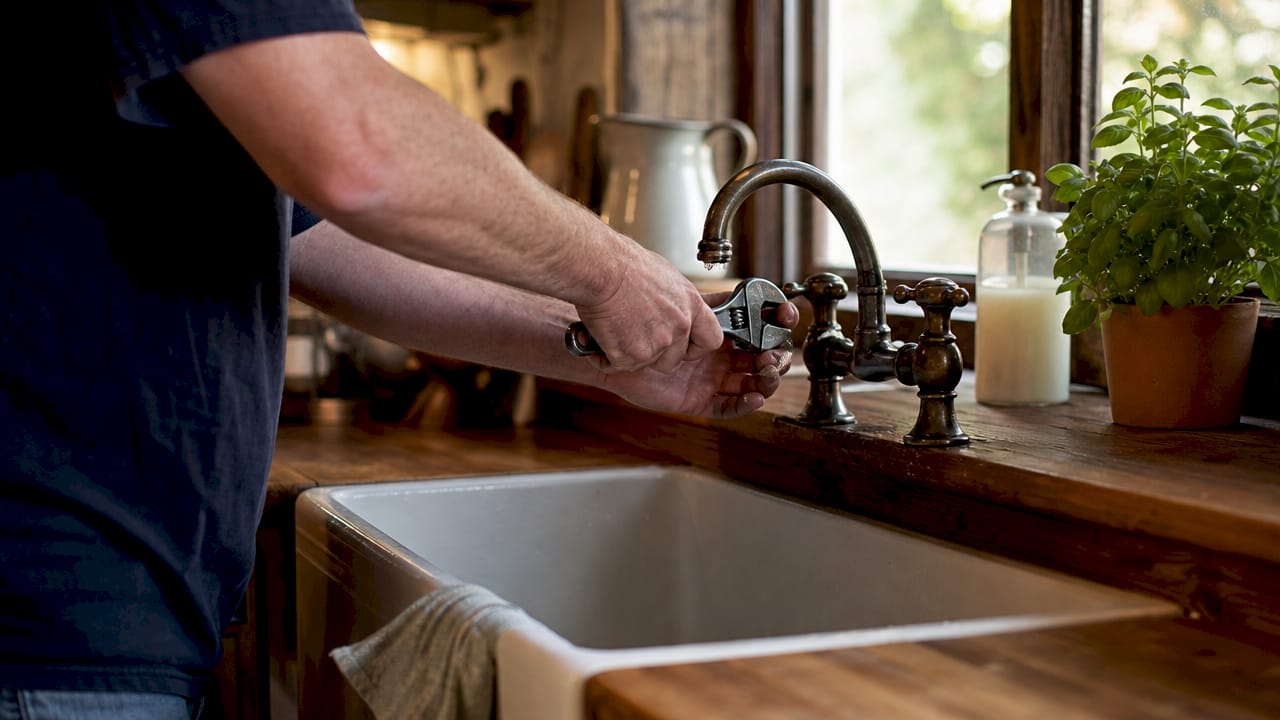
Beyond faucets, leaking pipes result from corrosion, joint failures, or freezing temperatures that cause cracks. Pipes inside walls or under slabs are especially dangerous because damage accumulates for months before you notice it. Mold growth, warped flooring, and weakened drywall are all common results.
Hidden leaks under sinks and behind walls are the hardest to catch. Watch for these red flags:
- Water stains on ceilings or walls with no obvious source
- Peeling paint or bubbling wallpaper near plumbing fixtures
- A musty smell in cabinets under the sink
- Unexplained increases in your monthly water bill
Pro Tip: Compare your water bill month over month. A spike of 10% or more with no change in usage habits is a strong signal of a hidden leak. A leak detector device placed near supply lines gives you an early alert before damage starts.
2. Clogs and drainage problems: causes and prevention
Clogs are the second most common plumbing complaint from homeowners, and they rarely appear without warning. Slow drains signal material buildup inside pipes, and acting early avoids complicated, costly blockages. A drain that takes 30 extra seconds to clear is already telling you something is wrong.
The causes differ by location in your home. Here is what builds up where:
- Bathroom drains: Hair and soap scum combine to form dense mats that narrow the pipe opening over weeks.
- Kitchen drains: Fats, oils, and grease cool and solidify inside pipes, creating a sticky coating that traps food particles.
- Toilets: Flushable wipes do not break down like toilet paper and cause major sewer line blockages. Despite what the packaging says, they belong in the trash.
- Laundry drains: Lint and detergent residue accumulate in standpipes, especially in older homes.
- Floor drains: Debris and sediment collect in basement or garage drains, blocking flow during heavy rain or appliance overflow.
Prevention is straightforward. Use a mesh drain screen in every shower and tub. Never pour cooking grease down the kitchen sink. Run hot water for 30 seconds after washing dishes to push residue through the line. If multiple drains in your home are slow at the same time, that points to a main line problem rather than individual fixture clogs.
3. Running toilets and low water pressure issues
A running toilet is one of the most wasteful and easiest to overlook household plumbing issues. Running toilets are most often caused by deteriorated flappers in 67% of cases, with fill valve failures and other component problems accounting for the rest. A worn flapper no longer seals the tank properly, so water continuously trickles into the bowl.
You can confirm a running toilet with the dye test: drop a few drops of food coloring into the tank and wait 15 minutes without flushing. If color appears in the bowl, the flapper is leaking. Replacement flappers cost under $10 at any hardware store and take about 10 minutes to swap out.
Low water pressure is a separate but equally frustrating problem. Common causes include:
- Clogged aerators on faucets (mineral deposits block the small screen at the tip)
- Corroded supply pipes that narrow over time and restrict flow
- A partially closed main shutoff valve
- A pressure regulator that has failed or drifted out of range
- An active leak elsewhere in the system pulling pressure away from fixtures
If only one faucet has low pressure, the aerator is almost always the cause. Unscrew it, soak it in white vinegar for an hour, and reinstall. If pressure is low throughout the house, the problem is systemic and warrants a professional inspection.
4. Water heater problems and sewer line backups to watch for
Water heater failures and sewer line backups represent the most disruptive category of plumbing issues. Both tend to escalate fast and carry serious repair costs when ignored.
Sediment buildup and aging components are the leading causes of water heater failure. Minerals in hard water settle at the bottom of the tank over time, forcing the heating element to work harder and eventually fail. Discolored or rusty water from your hot tap often indicates corroded pipes or a deteriorating water heater tank. That rust does not just affect water quality. It signals that the tank wall may be close to failing.
Watch for these water heater warning signs:
- Inconsistent water temperature or no hot water at all
- Popping or rumbling sounds from the tank during heating cycles
- Water pooling around the base of the unit
- A water heater that is more than 10 years old and has never been serviced
Sewer line backups are a different kind of emergency. Tree roots, accumulated debris, and non-flushable items are the primary causes. Multiple slow drains throughout the house simultaneously indicate a main sewer line blockage that needs professional attention. You may also notice gurgling sounds from toilets or floor drains, or sewage odors rising from drains in unused bathrooms.
Pro Tip: Flush your water heater tank annually to remove sediment. Attach a garden hose to the drain valve, run it to a floor drain or outside, and let the tank drain until the water runs clear. This single step can add years to the unit’s life.
5. Early warning signs every homeowner should know
Catching plumbing problems early separates a $200 repair from a $20,000 restoration. Unexplained bill spikes and gurgling drains often differentiate small repairs from major water damage costs. The signs are almost always present before the damage becomes visible.
Pay attention to these specific red flags:
- Water stains on walls, ceilings, or floors. Yellow or brown rings indicate water has been pooling behind a surface for some time. The stain is always smaller than the actual wet area.
- Unexplained water bill increases. A bill that jumps without any change in household habits points directly to a leak somewhere in the system. Monitoring your bill is one of the most reliable ways to detect appliance leaks fast before they cause structural damage.
- Gurgling noises from drains or toilets. Gurgling signals a venting problem or a partial blockage. Air is being pulled through the water in your P-trap instead of escaping through the vent stack.
- Sewage odors inside the home. Sewer gas contains hydrogen sulfide and methane. If you smell rotten eggs near a drain, the P-trap in an unused fixture may have dried out. Running water in that drain for 30 seconds refills the trap and blocks the gas.
- Wet or soggy patches in the yard. A soft, consistently damp area in your lawn with no rain explanation often means an underground pipe or sewer line is leaking beneath the surface.
- Water hammer sounds in the walls. That loud bang when you shut off a faucet fast is a pressure shockwave traveling through your pipes. Left unaddressed, it can loosen joints and crack pipe walls over time.
Homeowners who schedule regular plumbing checks catch these signals before they compound. A professional inspection twice a year costs far less than emergency repairs after a pipe bursts inside a wall.
Key takeaways
The most effective way to manage household plumbing issues is to recognize warning signs early and act before minor problems become structural damage.
| Point | Details |
|---|---|
| Leaks waste thousands of gallons | A single dripping faucet wastes over 3,000 gallons per year; monitor bills monthly to catch hidden leaks. |
| Clogs start with slow drains | Slow drainage signals buildup inside pipes; use drain screens and avoid pouring grease down the kitchen sink. |
| Running toilets are usually fixable | A deteriorated flapper causes most running toilets; a $10 replacement part solves it in minutes. |
| Sewer backups need professional help | Multiple slow drains at once signal a main line blockage that requires a licensed plumber, not a plunger. |
| Early detection saves money | Catching warning signs like gurgling sounds or bill spikes prevents small repairs from becoming major restorations. |
What I’ve learned after years of plumbing service calls
The calls that cost homeowners the most money share one thing in common: the warning signs were there weeks or months earlier and were ignored. A gurgling toilet gets dismissed as a quirk. A slightly higher water bill gets blamed on a houseguest. A faint musty smell under the sink gets covered with an air freshener. By the time the damage is visible, the repair scope has doubled or tripled.
The single most underused habit I see is bill monitoring. Homeowners who pull up their water utility account monthly and compare it to the prior month catch leaks that no visual inspection would find. A hidden pipe leak inside a wall produces no sound, no stain, and no smell for months. But it shows up in the numbers every single billing cycle.
The other thing I push hard on is not ignoring pipe noises. Water hammer is not just annoying. It is a mechanical shockwave that loosens joints and can crack pipes inside walls. Adjusting your home’s water pressure to stay below 80 psi and adding pipe support straps are inexpensive fixes. Waiting until a joint fails inside a wall is not.
Act on the first sign, not the second or third. Plumbing problems do not resolve on their own.
— MDTECH
Plumbing help for Orange County and Los Angeles homeowners
When a plumbing issue goes beyond a quick DIY fix, having a reliable local service matters. Appliancesrepairmdtech serves homeowners across Orange County and Los Angeles County with fast, professional repair and maintenance solutions for plumbing and home appliances.
Whether you are dealing with a persistent leak, a failing water heater, or recurring drain problems, the licensed technicians at Appliancesrepairmdtech respond quickly and diagnose accurately. For homeowners weighing whether to repair or replace a fixture or appliance, the repair vs. replacement guide lays out the decision clearly. If you are facing something more urgent, the plumbing emergencies resource covers what to do and when to call. Book an appointment online and get the problem handled before it gets worse.
FAQ
What are the most common types of plumbing issues at home?
The most common household plumbing issues are dripping faucets, clogged drains, running toilets, low water pressure, and water heater failures. Each one has distinct warning signs that appear before serious damage occurs.
How much water does a dripping faucet waste?
A single dripping faucet wastes over 3,000 gallons of water per year. Fixing a worn washer or cartridge stops the waste immediately and lowers your utility bill.
Can flushable wipes really clog my pipes?
Yes. Flushable wipes do not break down like toilet paper and are a leading cause of residential sewer line blockages. Dispose of them in the trash regardless of what the packaging states.
How do I know if my sewer line is blocked?
Multiple drains throughout the house running slowly at the same time is the clearest sign of a main sewer line blockage. Gurgling sounds from toilets and sewage odors from floor drains confirm the problem and require a licensed plumber.
How often should I have my plumbing inspected?
A professional plumbing inspection twice a year catches developing problems before they cause damage. Homeowners in older homes or areas with hard water benefit from more frequent checks due to faster pipe corrosion and mineral buildup.