
TL;DR:
- Leak detectors help prevent water damage by sensing leaks through moisture contact or analyzing water flow patterns.
- Choosing the right system depends on your home type, risk points, and whether you rent or own, with options ranging from spot sensors to whole-home flow monitors.
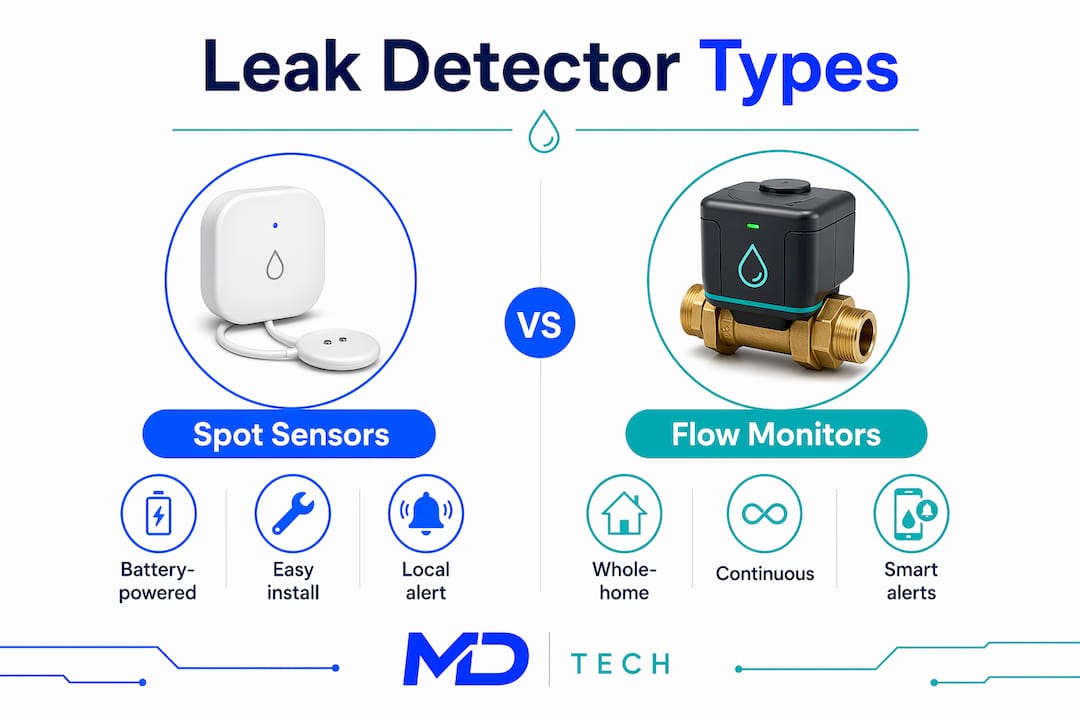
A leak detector is a home safety device that identifies water leaks or irregular water use by sensing moisture or abnormal water flow, then sends alerts to help you prevent costly damage. The EPA WaterSense program recognizes two core approaches: moisture detection, which reacts when water physically contacts a sensor, and flow monitoring, which analyzes your home’s water usage patterns to catch anomalies before visible damage appears. Brands like SONOFF, Vivint, and X-Sense have built consumer products around both technologies. Understanding which type fits your home is the most practical decision you can make before water damage forces a much more expensive one.
What is a leak detector and how does it work?
A leak detector works by completing an electrical circuit or analyzing water flow data to identify when water is present where it should not be. Moisture detection and flow monitoring are the two dominant mechanisms, and they solve different problems.
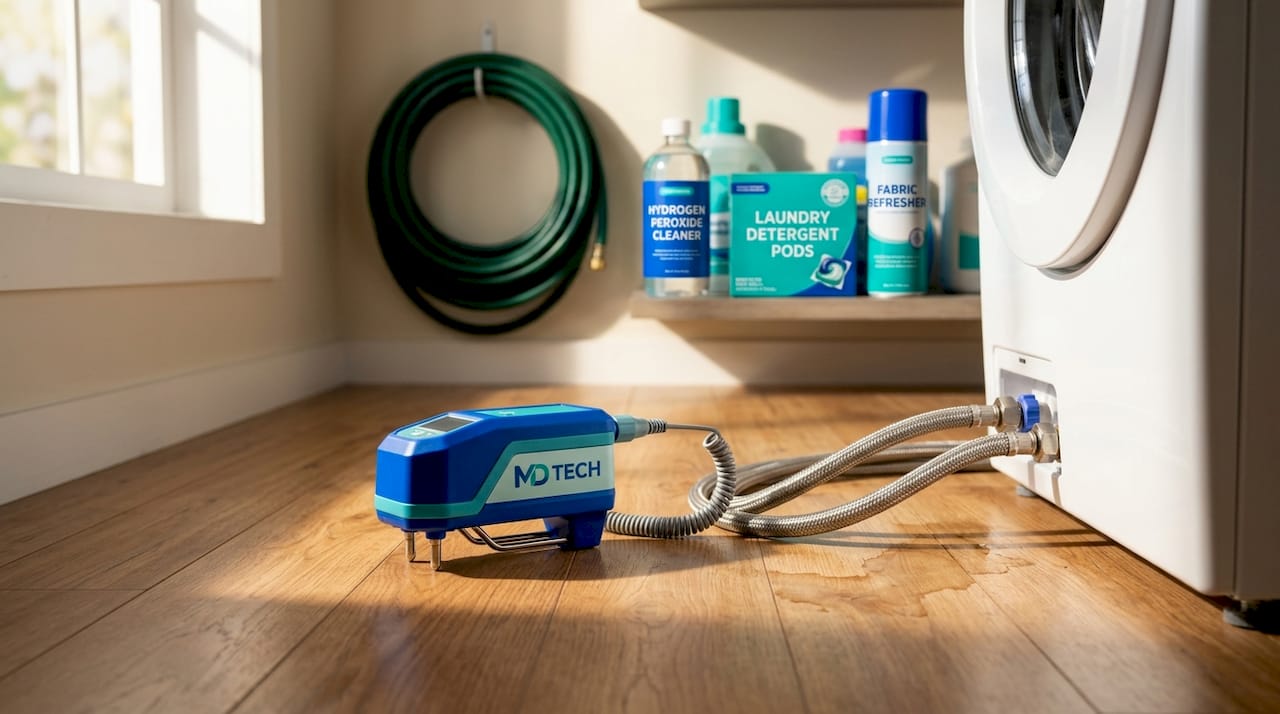
Moisture sensors use conductive probes placed directly on or near the floor. When water bridges the gap between two probe contacts, it completes a circuit and triggers an alarm. Water leak sensors send immediate alerts to your mobile device so you can act within minutes rather than discovering a soaked floor hours later. Devices like the X-Sense SWS51 and SONOFF SNZB-05P use this probe-based design.
Flow monitoring systems connect to your main water supply line and track usage patterns continuously. They detect slow drips, running toilets, and pinhole pipe leaks by recognizing water flow that falls outside your normal usage profile. Flow monitors can detect leaks before any visible water appears, which gives them a meaningful edge over spot sensors for hidden leaks inside walls or under slabs.
Communication methods vary by product. Basic sensors sound a local audible alarm. Smart sensors like the SONOFF SNZB-05P use Zigbee 3.0 technology to connect with smart home hubs such as Amazon Echo or Samsung SmartThings, pushing notifications directly to your phone. Some systems also trigger automatic water shutoff valves, stopping the leak at the source without any action from you.
Pro Tip: Place moisture sensors flat on the floor with probes facing down, directly in front of appliances or under pipe connections. Some sensors, including the X-Sense SWS51, lose accuracy if placed upright or away from where water would naturally pool.
Types of leak detectors: which one fits your home?
Three main categories of leak detection devices exist, and each serves a different coverage need and budget.
Spot moisture sensors are the most common entry point. They are small, battery-powered, and designed for a single location. You place one under your washing machine, behind your refrigerator, or beneath a bathroom sink. They cost anywhere from $15 to $60 per unit and require no plumbing work. Portable battery-powered spot sensors are the practical choice for renters who cannot modify plumbing infrastructure.
Whole-home flow monitors attach to your main water supply line, typically near the water meter or where the main line enters your home. They analyze every gallon that moves through your pipes and flag unusual patterns. These systems cost between $200 and $700 for the device alone, plus installation. They are the only type that reliably catches slow leaks inside walls or under concrete slabs, where no spot sensor would ever reach.
Leak detection cables provide continuous monitoring along their entire length. Detection cables trigger alarms via changes in electrical resistance when liquid contacts any point along the cable. They work well in server rooms, under long runs of pipe, or along the perimeter of a water heater closet.
| Type | Typical cost | Best for | Installation | Sensitivity |
|---|---|---|---|---|
| Spot moisture sensor | $15 to $60 per unit | Renters, single appliances | No tools required | Point of contact only |
| Whole-home flow monitor | $200 to $700 plus install | Homeowners, hidden leaks | Plumber recommended | Entire home water supply |
| Leak detection cable | $30 to $150 per run | Large or linear areas | Moderate DIY | Full cable length |
The right choice depends on whether you own or rent, how many risk points your home has, and whether you are protecting against sudden floods or slow hidden leaks. Most homeowners benefit from combining spot sensors at appliances with a flow monitor on the main line.
Benefits and limitations of leak detectors
Leak detectors deliver three concrete benefits that justify their cost for almost any homeowner or renter.
- Early warning prevents structural damage. Undetected leaks waste thousands of gallons annually and cause wood rot, mold growth, and foundation damage. A sensor that alerts you within minutes of a washing machine hose failure can mean the difference between a mop job and a $10,000 flooring replacement.
- Insurance incentives are real. Several home insurance carriers in California and across the US offer premium discounts for homes with certified leak detection systems installed. Check with your carrier before purchasing, because the savings can offset the device cost within one or two years.
- Remote monitoring adds peace of mind. Smart sensors connected to apps like the Vivint platform or a SmartThings hub let you monitor your home from anywhere. If a pipe bursts while you are traveling, you get a notification and can call a plumber before the damage spreads.
Limitations are worth knowing before you buy. Spot sensors only protect the exact location where you place them. A leak behind a wall or under a slab will not trigger a floor sensor three feet away. Flow monitors solve this, but they require a licensed plumber for installation and cost significantly more. False alarms are also possible, typically from condensation on cold pipes or high humidity near sensors placed too close to HVAC equipment.
Pro Tip: For renters, combining portable sensors with alert base stations lets you monitor leak risks and notify your landlord immediately, which protects your belongings and documents the timeline of any incident.
How to choose and install a leak detector
Choosing the right leak detection system starts with a walk-through of your home’s highest-risk locations. Focus on these areas first:
- Water heater: the base of the tank and the pressure relief valve drain line
- Washing machine: directly in front of the machine where hose connections sit
- Refrigerator with ice maker: behind the unit near the water supply line
- Dishwasher: under the sink cabinet where the drain and supply lines connect
- Toilets and bathroom sinks: on the floor near the base of the toilet and under vanity cabinets
- Basement or utility room: along the perimeter near any exposed pipes
For renters, spot sensors at these locations cover the most likely failure points without requiring any modification to the property. For homeowners, adding a whole-home flow monitor on the main supply line creates a second layer of protection that catches what spot sensors miss. You can learn more about detecting appliance leaks fast with practical placement strategies for each appliance type.
Proper sensor placement near leak sources is the single most common installation mistake homeowners make. Sensors placed on top of a cabinet shelf or mounted on a wall will not detect floor-level water pooling. Always place moisture sensors flat on the floor, probes down, within six inches of the appliance or pipe connection you are protecting.
Smart home integration is worth the extra setup time. Sensors that use Zigbee or Z-Wave connect to hubs like Amazon Echo, Google Home, or Apple HomeKit, which means you get push notifications even when you are away from home. If you are interested in how leak detectors fit into a broader water management strategy, the smart home plumbing guide from Appliancesrepairmdtech covers integration options in detail.
Maintenance is minimal but not optional. Test battery-powered sensors every six months by dripping a small amount of water across the probes. Replace batteries annually even if the low-battery indicator has not triggered. For flow monitors, check the manufacturer’s app for firmware updates and verify that the shutoff valve actuates correctly at least once a year.
Key takeaways
A leak detector is most effective when you match the technology to the specific risk: spot sensors for appliances and renters, flow monitors for whole-home hidden leak protection.
| Point | Details |
|---|---|
| Two core technologies | Moisture sensors detect water on contact; flow monitors catch hidden leaks before visible damage appears. |
| Renters can protect themselves | Portable battery-powered spot sensors require no plumbing changes and work in any rental unit. |
| Placement determines performance | Sensors must sit flat on the floor near the source, not on shelves or walls, to detect pooling water. |
| Smart integration extends coverage | Zigbee and Z-Wave sensors push real-time alerts to your phone, enabling fast response from anywhere. |
| Combine types for full protection | Pairing spot sensors at appliances with a whole-home flow monitor covers both sudden floods and slow hidden leaks. |
What I’ve learned after seeing hundreds of water damage calls
After working with homeowners across Orange County and Los Angeles County, one pattern stands out: the homes that suffer the worst water damage are not the ones without leak detectors. They are the ones where a detector was installed once and never tested again. A sensor with a dead battery is the same as no sensor at all.
The other mistake I see constantly is treating spot sensors as a complete solution. A single sensor under the kitchen sink does not protect you from a slow drip behind the drywall or a pinhole leak in a copper line under the slab. Those leaks are silent for months, and by the time a spot sensor would ever trigger, the damage is already structural. Flow monitors are not glamorous, but they are the only technology that catches what you cannot see.
My honest recommendation for most homeowners is to start with spot sensors at every appliance and toilet, then add a whole-home flow monitor within the first year of ownership. The upfront cost feels significant, but professional leak detection services alone can run $175 to $350 per visit, and that does not include any repairs. Prevention is always cheaper. If you want to go further, pairing your sensors with a water remediation contact like Nashoba Pros means you have a response plan ready before you ever need it.
The one thing I wish more renters knew: document everything. When your sensor alerts you to a leak, take a photo immediately, note the time, and contact your landlord in writing. That timestamp protects you from being held responsible for pre-existing damage.
— MDTECH
Protect your home with professional plumbing support
Leak detectors give you the warning. What you do next determines the outcome. When a sensor alerts you to a leak at a pipe connection, water heater, or appliance line, the repair needs to happen fast and correctly. Appliancesrepairmdtech serves homeowners and renters across Orange County and Los Angeles County with licensed technicians available for urgent plumbing and appliance repairs. Whether you need a pipe repair in Orange County after a leak alert or guidance on maintaining the appliances most likely to cause water damage, the team at Appliancesrepairmdtech is ready to help. You can also review the appliance parts repair guide to understand when a failing component is the root cause of a recurring leak.
FAQ
What is a leak detector used for in a home?
A leak detector identifies water leaks or irregular water use and alerts you before damage spreads. Most homeowners use them near water heaters, washing machines, dishwashers, and toilets.
How does a water leak sensor detect moisture?
Moisture sensors use conductive probes that complete an electrical circuit when water bridges the gap between contacts, triggering an alarm or smartphone alert immediately.
What is the difference between a spot sensor and a flow monitor?
A spot sensor detects water only at the location where it is placed, while a flow monitor analyzes your entire home’s water supply line and can detect hidden slow leaks inside walls or under slabs.
Can renters use leak detectors without modifying plumbing?
Yes. Battery-powered spot sensors require no installation tools or plumbing changes, making them practical for any rental unit. Pairing them with a smart alert base station adds remote notification capability.
How much does professional leak detection cost?
Professional leak detection services typically range from $175 to $350 for standard inspections, with complex or extensive cases reaching up to $3,000 depending on equipment and access requirements.