
Nearly every american household depends on appliances for comfort and convenience, yet improper installation can cause serious problems. Wrong connections or ignored safety steps may lead to hazards and expensive repairs. With over 68 percent of appliance failures linked to incorrect setup or overlooked manufacturer requirements, understanding what professional installation involves is more important than ever. This guide clears up the essentials so you know how to get the job done right and protect your investment.
Table of Contents
- Defining Appliance Installation And Core Concepts
- Types Of Appliances And Installation Methods
- Process Steps And Professional Requirements
- Safety Standards And Local California Regulations
- Common Pitfalls And How To Avoid Them
Key Takeaways
| Point | Details |
|---|---|
| Professional Installation is Crucial | Proper installation is essential for safety and optimal performance, requiring technical expertise and adherence to manufacturer guidelines. |
| Comprehensive Assessment Required | Installation should start with a careful evaluation of electrical and plumbing systems, addressing compatibility with existing infrastructure. |
| Adherence to Local Regulations | Compliance with local building codes and safety standards is critical, especially in regions like California, to ensure homeowner safety. |
| Avoid Common Pitfalls | Recognizing and addressing common installation errors can prevent significant issues, emphasizing the need for thorough pre-installation assessments. |
Defining Appliance Installation and Core Concepts
Appliance installation represents a specialized technical process involving the precise placement, connection, and setup of household equipment to ensure optimal performance and safety. From refrigerators and dishwashers to washing machines and ovens, proper installation goes far beyond simply positioning an appliance in your home. Professional installation requires understanding complex interactions between electrical systems, plumbing connections, and manufacturer specifications.
According to Pressbooks, integrating appliances with existing home systems demands careful attention to plumbing and electrical infrastructure. Technicians must assess multiple critical factors during installation, including:
- Precise voltage and amperage requirements
- Appropriate water line and drainage connections
- Proper ventilation and clearance measurements
- Compliance with local building and safety codes
- Manufacturer-specific installation guidelines
The installation process typically involves several key stages that demand technical expertise. Professionals evaluate your home’s existing infrastructure, prepare the designated space, carefully transport and position the appliance, make precise connections, and conduct thorough functionality testing. Each step requires specialized knowledge to prevent potential damage, ensure efficient operation, and maintain manufacturer warranty requirements. Improper installation can lead to significant issues like electrical hazards, water leaks, reduced appliance lifespan, and potential safety risks for homeowners.
Ultimately, appliance installation is not a one-size-fits-all procedure but a nuanced service tailored to specific equipment, home configurations, and individual client needs. Whether you’re replacing an aging refrigerator or setting up a brand new range, professional installation provides peace of mind by guaranteeing that your valuable household equipment operates safely, efficiently, and according to manufacturer specifications.
Types of Appliances and Installation Methods
Appliance installation encompasses a diverse range of equipment, each requiring unique technical approaches and specialized handling. Residential appliances are typically categorized into major groups that demand specific installation protocols, reflecting their complexity and functional requirements. From kitchen equipment to laundry machines, every appliance type presents its own set of technical challenges and considerations.
According to ESSC India, home appliances can be strategically classified into several critical installation categories:
- Kitchen Appliances: Refrigerators, dishwashers, ranges, ovens, microwaves
- Laundry Equipment: Washing machines, clothes dryers
- Climate Control Systems: Air conditioners, heat pumps
- Water Heating Systems: Tankless and traditional water heaters
- Small Countertop Appliances: Blenders, coffee makers, toaster ovens
Each appliance category requires distinct installation methods that consider electrical requirements, plumbing connections, ventilation needs, and spatial constraints. Refrigerators, for instance, need precise leveling, proper electrical grounding, and adequate clearance for ventilation. Dishwashers demand complex water line connections and precise alignment with kitchen cabinetry.
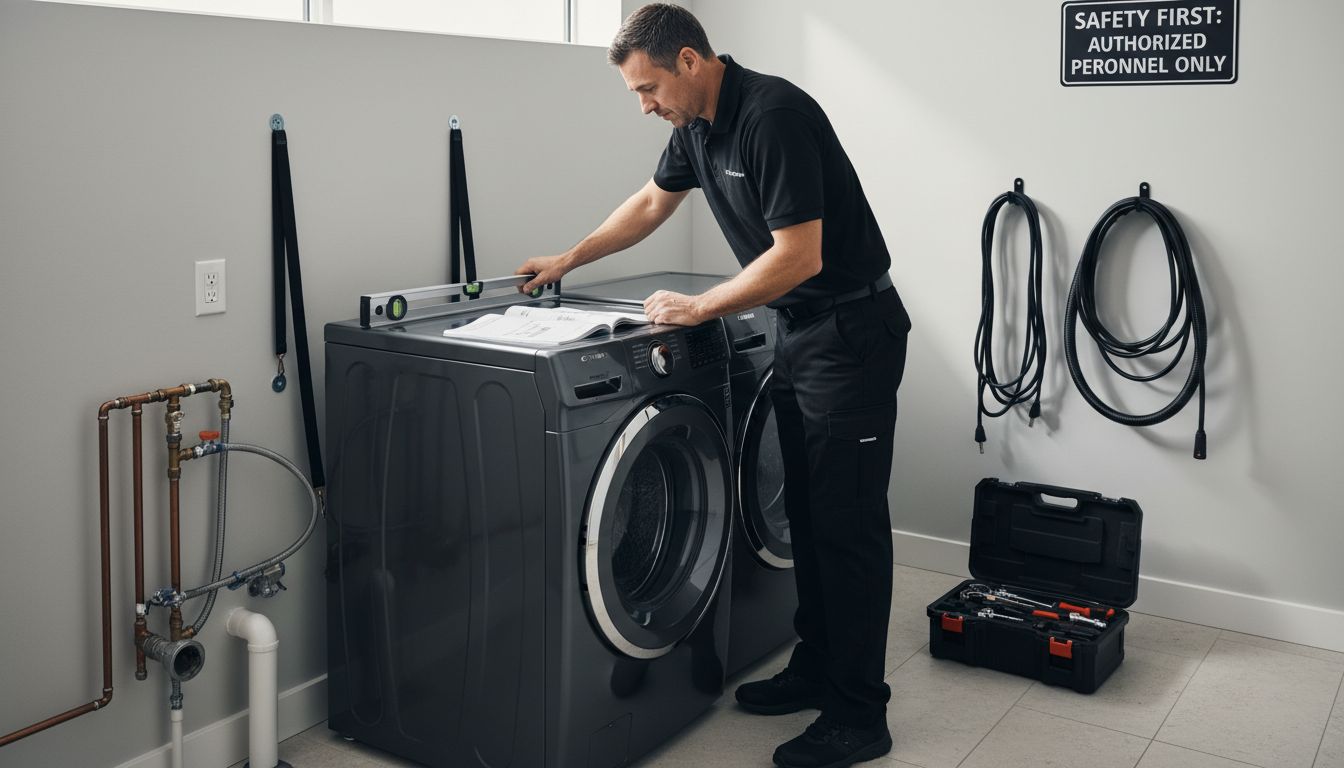 Washing machines require robust water inlet and drainage systems, along with stable electrical connections to prevent potential water damage or electrical hazards.
Professional technicians understand that installation is not merely about positioning equipment but creating a harmonious integration between the appliance and the home’s existing infrastructure. This involves comprehensive assessment of voltage specifications, water pressure, drainage systems, and local building codes. Whether installing a compact microwave or a complex HVAC system, technicians must employ specialized techniques that ensure safety, efficiency, and optimal performance of household equipment.
Process Steps and Professional Requirements
Professional appliance installation is a meticulously structured process that demands extensive technical knowledge, specialized skills, and comprehensive understanding of complex home systems. Certified technicians bring a systematic approach to equipment placement, ensuring every step is executed with precision and adherence to manufacturer and safety guidelines. This multi-stage process goes well beyond simple equipment positioning.
According to Pressbooks, successful appliance installation requires careful navigation of building codes and technical requirements. The typical professional installation process involves several critical stages:
- Initial Site Assessment
- Measure designated installation space
- Evaluate electrical and plumbing infrastructure
- Identify potential installation challenges
- Confirm compatibility with existing systems
- Preparation and Equipment Handling
- Inspect appliance for shipping damage
- Gather specialized installation tools
- Verify all manufacturer-provided components
- Develop precise installation strategy
- Technical Connection and Setup
- Make secure electrical connections
- Install water and drainage lines
- Level and align equipment precisely
- Configure specialized settings and calibrations
Each installation stage requires specific technical competencies and professional-grade equipment. Technicians must understand complex electrical load calculations, plumbing pressure requirements, ventilation specifications, and local building regulations. Their expertise prevents potential safety hazards, ensures optimal equipment performance, and maintains manufacturer warranty conditions.
Professional installation minimizes risks associated with improper setup, such as electrical shorts, water leaks, or structural damage.
Beyond technical skills, professional appliance installers must possess excellent problem-solving abilities, spatial reasoning, and customer communication skills. They must quickly adapt to unique home configurations, understand diverse appliance technologies, and provide clear explanations to homeowners about the installation process. Certification, ongoing training, and staying current with evolving appliance technologies are crucial for maintaining the high standards required in this specialized field.
Safety Standards and Local California Regulations
Appliance installation in California involves navigating a complex landscape of safety regulations, building codes, and technical requirements that protect homeowners and ensure optimal equipment performance. Safety standards are not merely recommendations but legally enforceable protocols that demand rigorous compliance from professional technicians operating within the state.
According to BASC, critical safety considerations for appliance installation include comprehensive anchoring procedures to prevent potential hazards. California’s unique geographical landscape, characterized by seismic activity, demands additional precautions:
- Earthquake Preparedness: Secure appliances to prevent tipping or movement during seismic events
- Electrical Safety: Implement grounding systems and circuit protection
- Ventilation Requirements: Ensure proper clearance and airflow around installed equipment
- Water Connection Standards: Prevent potential leaks and water damage
- Load-Bearing Considerations: Verify structural integrity during installation
Local California building codes impose stringent requirements that extend beyond basic installation protocols. Technicians must navigate municipal regulations specific to Orange and Los Angeles counties, which often include more comprehensive safety guidelines than national standards. These regulations address everything from electrical load calculations to precise measurements for appliance placement, ensuring that every installation meets or exceeds minimum safety thresholds.
Professional installers in California must maintain current certifications, undergo regular training, and stay updated on evolving safety standards. This includes understanding specialized requirements for different environments, from coastal regions with high humidity to inland areas with unique climatic challenges. Compliance is not optional but a critical responsibility that protects homeowners, preserves equipment functionality, and ensures long-term safety and performance of household appliances.
Common Pitfalls and How to Avoid Them
Appliance installation is a nuanced process fraught with potential errors that can compromise equipment performance, safety, and long-term functionality. Homeowners and technicians alike must remain vigilant about recognizing and mitigating common installation challenges that could lead to costly repairs, safety risks, or premature equipment failure.
According to BASC, several critical installation pitfalls demand careful attention and proactive prevention strategies:
- Improper Electrical Connections
- Mismatched voltage requirements
- Inadequate circuit protection
- Incorrect grounding techniques
- Structural Anchoring Failures
- Insufficient securing mechanisms
- Overlooking seismic stability requirements
- Neglecting weight distribution considerations
- Plumbing and Drainage Issues
- Incorrect pipe sizing
- Poor seal connections
- Inadequate water pressure management
Professional technicians recognize that many installation errors stem from rushing the process or failing to conduct comprehensive pre-installation assessments. According to Pressbooks, critical prevention strategies include thorough site evaluation, precise measurements, and meticulous attention to manufacturer specifications. This involves understanding the unique requirements of each appliance type, verifying compatibility with existing home infrastructure, and implementing rigorous safety protocols.
Ultimately, avoiding installation pitfalls requires a combination of technical expertise, patience, and systematic approach. Homeowners should prioritize hiring certified professionals who understand the intricate details of appliance installation, maintain current certifications, and possess comprehensive knowledge of local building codes and safety standards. By recognizing potential risks and implementing proactive prevention strategies, residents can ensure optimal performance, safety, and longevity of their household appliances.
Ensure Safe and Expert Appliance Installation in Orange County and Los Angeles
Proper appliance installation is critical to avoid costly problems like electrical hazards and water damage. If you want to guarantee your refrigerator, washer, dryer, or oven is installed according to safety codes and manufacturer requirements, expert help is the best choice. Our licensed technicians understand the importance of precise electrical connections, secure plumbing setups, and reliable anchoring especially in California’s unique environment.
Don’t risk improper installation that can threaten your home safety or void warranties. Visit Appliance Repair MD Tech to book trusted appliance installation services today. Our professionals provide thorough site assessments, handle complex setups, and comply fully with local regulations in Orange County and Los Angeles County. Act now to enjoy the peace of mind that comes from safe and efficient appliance setup tailored just for your home.
Frequently Asked Questions
What is involved in the appliance installation process?
The appliance installation process involves several key stages, including an initial site assessment, preparation and equipment handling, and technical connection and setup. This ensures that appliances are installed safely and function optimally within your home.
Why is professional appliance installation important?
Professional appliance installation is crucial to ensure safety, compliance with building codes, and optimal performance of the equipment. Trained technicians can navigate complex electrical and plumbing systems, preventing potential hazards like electrical shorts or water leaks.
What are common types of appliances that require installation?
Common types of appliances that require installation include kitchen appliances such as refrigerators, dishwashers, and ovens; laundry equipment like washing machines and dryers; climate control systems such as air conditioners; and water heating systems including tankless and traditional water heaters.
What are potential pitfalls during appliance installation?
Potential pitfalls during appliance installation include improper electrical connections, structural anchoring failures, and plumbing issues. These errors can lead to equipment malfunction and safety risks, highlighting the importance of hiring certified professionals for installation.