
Blocked sinks, slow-draining dishwashers, and lingering water in your washing machine are more than minor annoyances for Orange County and Los Angeles County homeowners. These issues often point to hidden problems within your appliance drainage systems, risking not only inconvenience but serious water damage and health hazards. Learning about clear appliance drainage puts you in control, helping you maintain smooth water flow, protect your investment, and avoid expensive plumbing emergencies.
Table of Contents
- What Is Clear Appliance Drainage?
- Types of Appliance Drainage Systems
- How Drainage Affects Appliance Performance
- Risks of Blocked or Poor Drainage
- Prevention, Maintenance, and Professional Help
Key Takeaways
| Point | Details |
|---|---|
| Clear Appliance Drainage is Essential | Maintaining clear drainage prevents water damage and health risks by ensuring proper wastewater flow. |
| Regular Maintenance is Key | Homeowners should inspect drainage systems quarterly and use enzymatic cleaners to avoid blockages. |
| Choose the Right System | Selecting the appropriate drainage system type based on home layout enhances efficiency and reduces contamination risks. |
| Professional Help is Important | For complex drainage issues, consult a licensed plumber to ensure systems remain functional and to prevent costly repairs. |
What Is Clear Appliance Drainage?
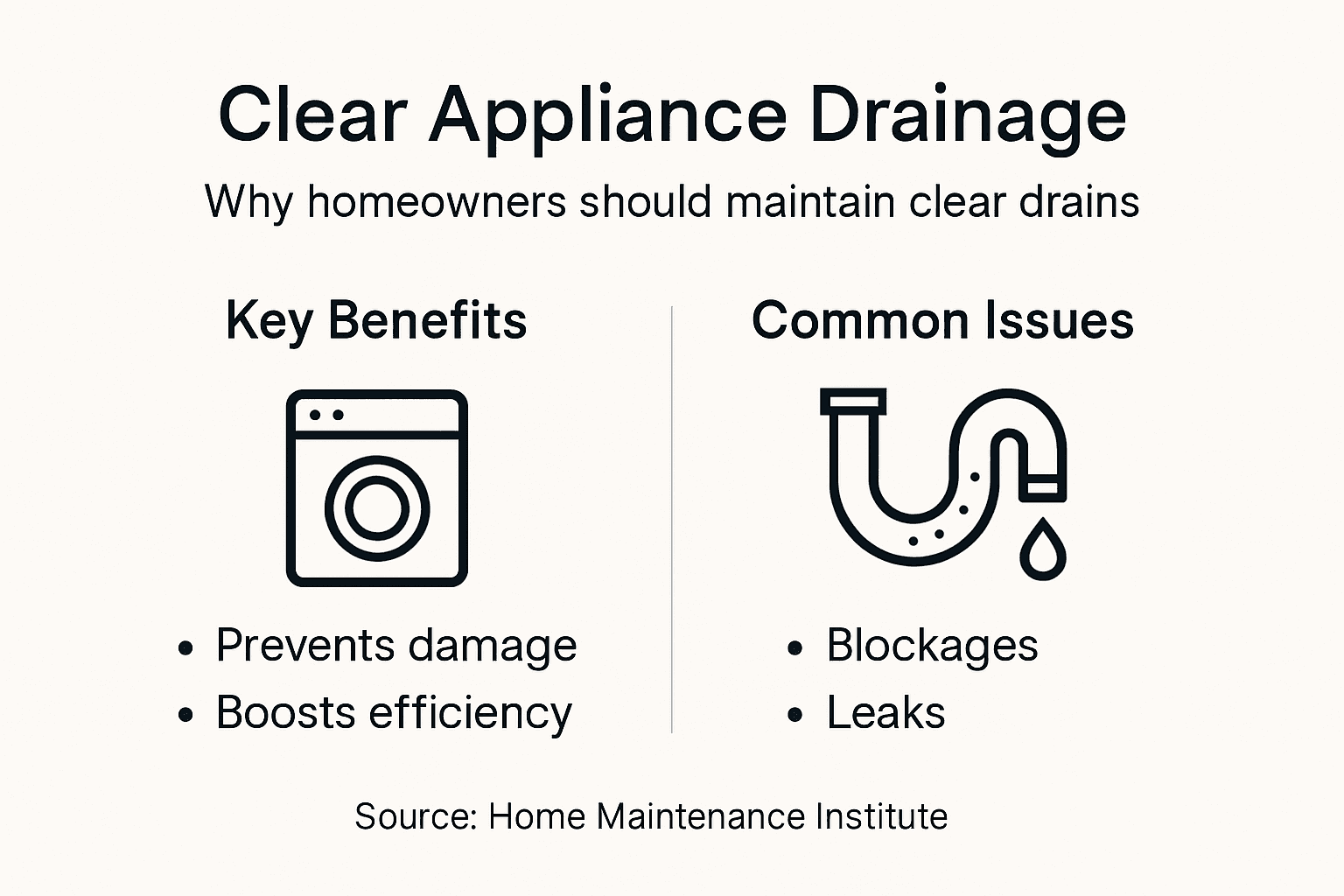
Clear appliance drainage represents a critical home maintenance process designed to ensure smooth water flow through household appliance connections. At its core, clear drainage means keeping pipes and water pathways completely unobstructed, allowing wastewater to move efficiently without blockages or potential backups.
Homeowners should understand that clear drainage involves multiple interconnected systems. Effective drain management prevents potential contamination and ensures hygienic water removal from appliances like dishwashers, washing machines, and kitchen sinks. The primary goal is maintaining a functional plumbing infrastructure that protects your home from potential water damage and health risks.
Key components of clear appliance drainage include:
- Preventing soft obstructions in pipes
- Maintaining proper water seal traps
- Ensuring smooth hydraulic flow conditions
- Blocking potential contaminant entry points
- Facilitating safe wastewater removal
Water flow dynamics play a crucial role in clear drainage. When drainage systems work correctly, water moves quickly and smoothly through pipes, carrying waste materials away from your home without creating pressure buildup or potential blockage points. Drain cleaning technologies have evolved to help homeowners maintain these critical systems, offering chemical, enzymatic, and mechanical solutions for keeping pipes clear.
Pro tip: Inspect your appliance drainage connections quarterly and use enzymatic drain cleaners to prevent potential buildup before it becomes a significant problem.
Types of Appliance Drainage Systems
Homeowners encounter several distinct types of appliance drainage systems, each designed to manage wastewater flow efficiently and safely. Drainage system configurations vary based on specific architectural and plumbing requirements, creating unique solutions for different household needs.
The primary categories of appliance drainage systems include:
- One-pipe systems: Discharge soil and waste water into a common stack
- Two-pipe systems: Separate soil and waste fitments into distinct stacks
- Single stack systems: Consolidate multiple drainage connections into one vertical pipe
- Vented systems: Include additional ventilation to prevent pressure buildup
Pipe arrangement plays a critical role in determining drainage effectiveness. Sanitary drainage configurations consider multiple factors like pipe sizing, trap placement, and ventilation requirements to ensure optimal water flow and prevent potential contamination.
Each drainage system type presents unique advantages and challenges. One-pipe systems offer simplicity but may have limited hydraulic performance, while two-pipe systems provide better separation and reduced contamination risks. The selection depends on local building codes, specific appliance requirements, and overall plumbing infrastructure.
Below is a comparison of common appliance drainage system types and their typical applications:
| Drainage Type | Best For | Main Advantage | Common Limitation |
|---|---|---|---|
| One-pipe system | Compact homes, renovations | Simple installation | Limited flow capacity |
| Two-pipe system | Large homes, multi-story | Reduced contamination risk | Higher installation cost |
| Single stack system | Apartments, modern builds | Space-saving design | Complex maintenance |
| Vented system | High-usage environments | Prevents pressure buildup | Requires more planning |
Complex drainage systems require professional assessment to ensure proper installation and long-term functionality.
Pro tip: Consult a licensed plumbing professional to determine the most appropriate drainage system configuration for your specific home layout and appliance needs.
How Drainage Affects Appliance Performance
Drainage systems play a critical role in maintaining the operational efficiency and longevity of household appliances. Wastewater removal mechanisms directly impact an appliance’s ability to function smoothly, with improper drainage potentially leading to significant performance issues and costly repairs.
Key performance impacts of drainage include:
- Preventing water accumulation in appliance mechanisms
- Reducing mechanical wear and strain
- Minimizing corrosion risks
- Maintaining optimal operational efficiency
- Preventing unexpected mechanical failures
Drainage design significantly influences appliance functionality. Effective drainage systems ensure that water flows freely, preventing potential blockages that can cause substantial mechanical stress. When drainage is compromised, appliances must work harder, consuming more energy and experiencing accelerated component deterioration.
Consistent drainage maintenance can extend appliance life by up to 40% and reduce repair costs significantly.
Technical considerations like pipe slope, water flow rate, and connection integrity determine how effectively appliances can expel wastewater. Poor drainage can create pressure imbalances, leading to potential backups that strain internal components and reduce overall system performance.
Pro tip: Schedule annual professional drainage system inspections to identify and resolve potential blockage issues before they impact your appliances’ performance.
Risks of Blocked or Poor Drainage
Blocked or poorly maintained drainage systems pose significant health and property risks that extend far beyond simple inconvenience. Drainage system complications can create hazardous conditions that compromise both residential safety and occupant well-being.
The primary risks associated with blocked drainage include:
- Bacterial contamination and pathogen growth
- Sewage gas buildup and toxic exposure
- Potential infectious disease transmission
- Water damage to structural components
- Increased risk of mold and mildew development
- Potential electrical system compromise
Bacterial proliferation represents one of the most serious concerns in compromised drainage systems. Building water system risks demonstrate that stagnant water can harbor dangerous microorganisms like Legionella, which thrive in poorly maintained drainage environments.
Unaddressed drainage issues can transform your home’s plumbing system into a breeding ground for potentially harmful microorganisms.
Technical complications arise when drainage systems become obstructed, creating pressure imbalances that can cause sewage backflows, water contamination, and structural damage. These issues not only compromise household hygiene but can also lead to expensive repair requirements and potential health hazards for residents.
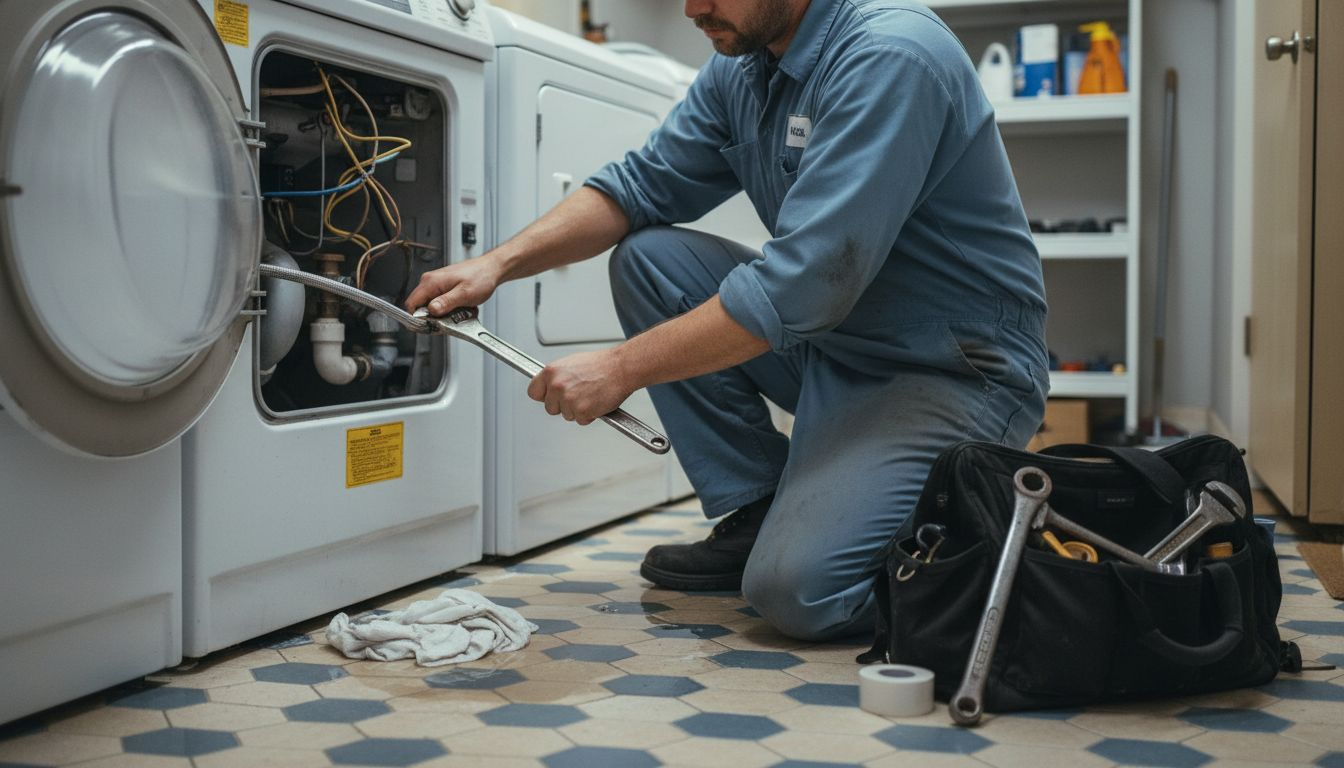
Here is a summary of major risks associated with neglected drainage maintenance and the potential consequences:
| Risk Area | Possible Outcome | Long-Term Impact |
|---|---|---|
| Bacterial growth | Unhygienic living spaces | Increased illness risk |
| Sewage gas buildup | Toxic air exposure | Respiratory health problems |
| Water damage | Structural material decay | Expensive home repairs |
| Mold development | Visible mold colonies | Compromised indoor air quality |
Pro tip: Conduct quarterly drainage system inspections and immediately address any signs of blockage or slow drainage to prevent long-term health and property risks.
Prevention, Maintenance, and Professional Help
Maintaining clear appliance drainage requires a proactive approach that combines regular homeowner maintenance and professional intervention. Home drainage cleaning practices emphasize the importance of routine inspection and timely addressing of potential blockage issues.
Key preventive maintenance strategies include:
- Regularly removing debris from drain openings
- Using enzyme-based drain cleaners
- Checking pipe slopes and connections
- Monitoring water flow rates
- Avoiding chemical drain solutions that damage pipes
- Implementing periodic professional inspections
Drainage system integrity depends on consistent monitoring and professional expertise. Sanitary drainage maintenance requires understanding local plumbing codes and employing advanced cleaning techniques that go beyond typical homeowner capabilities.
Professional plumbers can identify potential drainage issues before they become costly repairs, saving homeowners significant time and money.
While some maintenance tasks can be performed independently, complex drainage problems demand specialized knowledge. Professional plumbers possess diagnostic tools and expertise to address intricate drainage challenges, ensuring your home’s plumbing system remains functional and efficient.
Pro tip: Schedule a comprehensive drainage system inspection annually and maintain a maintenance log to track your home’s plumbing health.
Protect Your Home with Clear Appliance Drainage Solutions
Clear appliance drainage is essential to prevent costly water damage, bacterial growth, and appliance malfunctions in your home. If you have noticed slow draining water or unusual odors, these can be signs of blocked or poorly maintained drainage systems that put your household health and your appliances at risk. Understanding key elements such as water flow dynamics and proper venting helps you recognize the importance of professional maintenance and repair.
Don’t wait for drainage issues to cause expensive repairs or compromise your family’s safety. Take action today by connecting with licensed technicians at Appliances Repair MD Tech who specialize in appliance and plumbing services throughout Orange County and Los Angeles County. Whether it’s clearing drainage lines or inspecting your dishwasher and washing machine connections, their expertise ensures your home stays protected and your appliances perform at their best. Schedule your service now for fast, reliable help and keep your home’s drainage flowing smoothly with Appliance Repair Services you can trust.
Frequently Asked Questions
What is clear appliance drainage?
Clear appliance drainage refers to maintaining unobstructed pipes and water pathways in household appliances to ensure efficient wastewater removal and prevent blockages.
How does blocked drainage affect appliance performance?
Blocked drainage can lead to water accumulation, increased mechanical wear, and unexpected failures in household appliances, negatively impacting their efficiency and lifespan.
What are the risks associated with poor drainage maintenance?
Poor drainage maintenance can result in bacterial contamination, sewage gas buildup, water damage, and the development of mold, posing health risks and potentially expensive repairs.
How can homeowners maintain clear appliance drainage?
Homeowners can maintain clear appliance drainage by regularly inspecting drain openings, using enzyme-based cleaners, checking pipe slopes, and scheduling annual professional inspections.