
Most American households unknowingly lose hundreds of dollars each year to inefficient appliances that only need minor adjustments to perform at their best. In places like Orange and Los Angeles Counties, where energy costs keep rising, ensuring accurate appliance calibration can make a real difference in your comfort and wallet. This guide gives you the practical knowledge necessary to recognize and address calibration issues, helping you protect your investment and maintain the efficiency of your home’s hardest-working devices.
Table of Contents
- What Appliance Calibration Really Means
- Types of Home Appliance Calibration
- How Calibration Improves Efficiency and Safety
- Steps Involved in Proper Calibration
- Risks, Costs, and Common Pitfalls
Key Takeaways
| Point | Details |
|---|---|
| Appliance Calibration Importance | Calibration helps maintain appliances at peak performance, ensuring energy efficiency and reducing repair costs. |
| Professional Calibration Benefits | Engaging professionals for calibration can uncover hidden issues and optimize appliance functionality, enhancing safety. |
| Regular Calibration Schedule | Schedule calibrations every two years for critical appliances to prevent degradation and unexpected failures. |
| Documentation and Tracking | Maintain a calibration log for each appliance to track adjustments and predict future maintenance needs. |
What Appliance Calibration Really Means
Appliance calibration represents a precise technical process where household devices are systematically measured and adjusted to ensure peak performance and accuracy. At its core, calibration involves comparing a device’s output against established measurement standards to detect and correct potential measurement errors.
In practical terms for homeowners, appliance calibration means fine-tuning your refrigerator’s temperature sensors, oven’s heating elements, or washing machine’s load balancing mechanisms to guarantee they operate exactly as manufacturers intended. This process goes beyond simple maintenance – it’s about preserving the precision and efficiency of complex household machinery. Technical standards require checking measurement instruments against higher accuracy references to validate their performance across multiple operational conditions.
Unlike generic maintenance, professional appliance calibration involves sophisticated diagnostic procedures. Technicians use specialized equipment to measure minute variations in performance, making microscopic adjustments that can significantly impact an appliance’s energy efficiency, longevity, and overall functionality. These adjustments might involve recalibrating temperature sensors, realigning mechanical components, or resetting electronic control systems to their optimal baseline.
The primary goal of appliance calibration is preventing incremental performance degradation that happens silently over time. Small inaccuracies can compound, leading to higher energy consumption, reduced performance, and potentially expensive repairs. By proactively calibrating your appliances, you’re essentially investing in their long-term reliability and maintaining their factory-specified operational standards.
Pro tip: Schedule professional calibration for critical home appliances like refrigerators and ovens at least once every two years to maintain peak performance and prevent unexpected breakdowns.
Types of Home Appliance Calibration
Home appliance calibration encompasses several distinct approaches, each designed to address specific performance and safety requirements. Portable Appliance Testing (PAT) represents one critical calibration method focusing primarily on electrical safety, which involves comprehensive visual inspections and electrical performance assessments for household devices.
Two primary calibration categories emerge for home appliances: bench calibration and field calibration. Bench Calibration involves precise measurements conducted in controlled laboratory environments, where technicians use specialized equipment to systematically evaluate an appliance’s performance under standardized conditions. Instrument classifications help determine the frequency and complexity of calibration processes, ensuring each device receives appropriate diagnostic attention.
Field calibration, conversely, occurs directly in a home setting, allowing technicians to assess appliances within their actual operational context. This approach proves especially valuable for complex systems like smart refrigerators, ovens with advanced electronic controls, and high-end washing machines. Different appliances require unique calibration strategies – a temperature sensor in a refrigerator demands different diagnostic techniques compared to a washing machine’s load balancing mechanism.
Here’s a comparison of bench and field calibration for home appliances:
| Calibration Type | Testing Environment | Benefits | Typical Appliances |
|---|---|---|---|
| Bench | Laboratory setting | Highest accuracy, controlled conditions | Refrigerators, ovens, specialized devices |
| Field | Actual home usage | Real-world diagnostics, convenience | Smart refrigerators, high-end washers, ovens |
Specialized calibration types also include safety testing, performance optimization, and diagnostic recalibration. Safety testing ensures electrical integrity and prevents potential hazards, performance optimization fine-tunes operational efficiency, and diagnostic recalibration addresses specific functionality issues that emerge over an appliance’s lifecycle. Each type serves a distinct purpose in maintaining household equipment’s reliability and effectiveness.
Pro tip: Request a comprehensive calibration report from technicians that details specific adjustments made during the service to track your appliance’s long-term performance trajectory.
How Calibration Improves Efficiency and Safety
Calibration plays a critical role in maintaining both the safety and operational efficiency of household appliances. By systematically verifying and adjusting measurement parameters, homeowners can prevent potential hazards and ensure their devices operate at peak performance. This process goes beyond simple maintenance, creating a proactive approach to appliance management that protects both the equipment and its users.
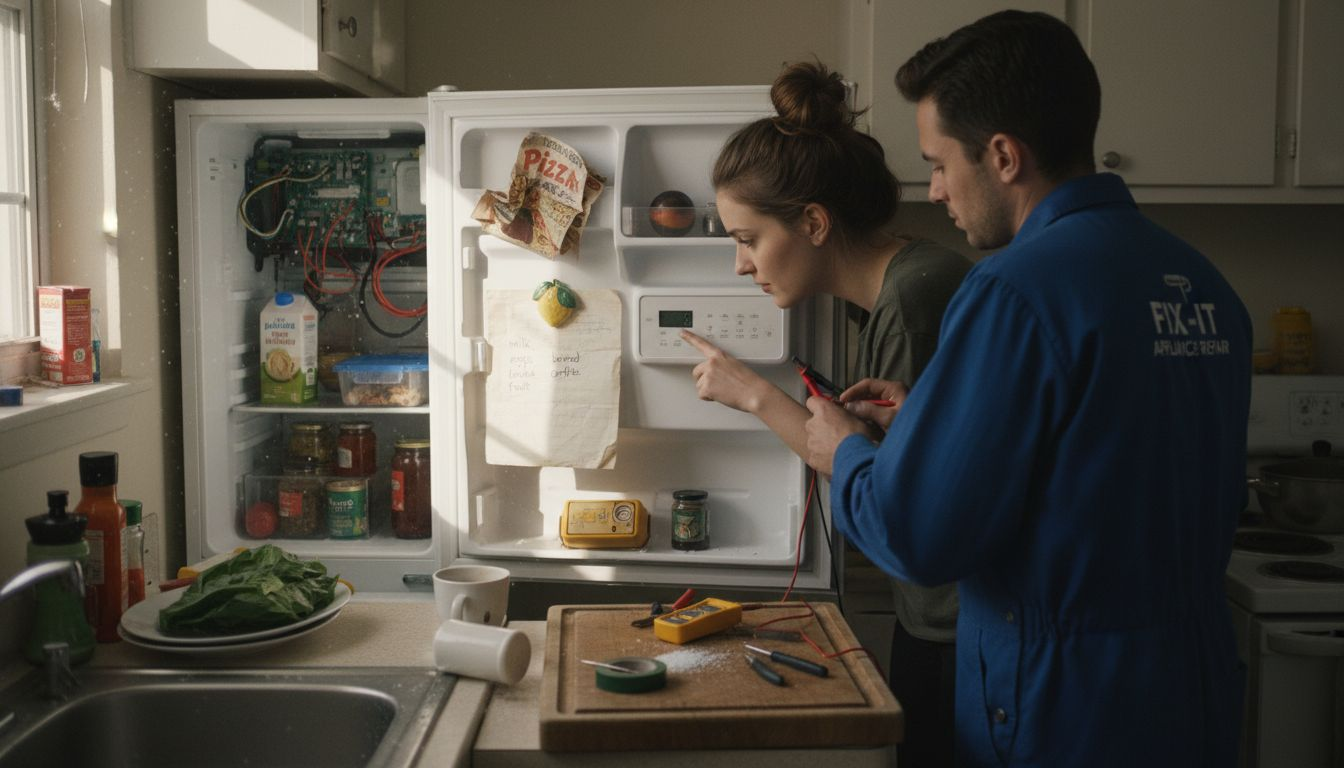
The safety implications of proper calibration are profound. Accurate measurement of electrical parameters helps reduce manufacturing errors and minimize risks to users, particularly for devices involving heat, electricity, or complex electronic systems. Temperature-sensitive appliances like refrigerators, ovens, and water heaters require precise calibration to prevent potential malfunctions that could lead to electrical hazards, food spoilage, or inefficient energy consumption.
Efficiency gains from calibration are equally significant. When appliances are precisely calibrated, they consume less energy, operate more smoothly, and maintain consistent performance levels. This means lower utility bills, reduced wear and tear on mechanical components, and extended appliance lifespans. For instance, a refrigerator with perfectly calibrated temperature sensors will cool more effectively, preventing unnecessary energy expenditure and maintaining optimal food preservation conditions.
Moreover, calibration serves as a diagnostic tool that helps identify potential issues before they escalate into major problems. Regular calibration allows technicians to detect subtle performance variations, addressing minor inconsistencies that could eventually lead to complete system failures. This preventative approach not only enhances safety but also represents a cost-effective strategy for long-term appliance maintenance and household equipment management.
Pro tip: Maintain a calibration log for each major appliance, tracking service dates and specific adjustments to help predict potential future maintenance needs.
Steps Involved in Proper Calibration
Professional appliance calibration follows a systematic approach designed to ensure precise measurement and optimal performance. The process begins with a comprehensive assessment of the appliance’s current condition, identifying potential measurement discrepancies and establishing a baseline for improvement. Technicians carefully examine the device’s critical components, looking for any signs of wear, misalignment, or performance degradation that could impact its overall functionality.
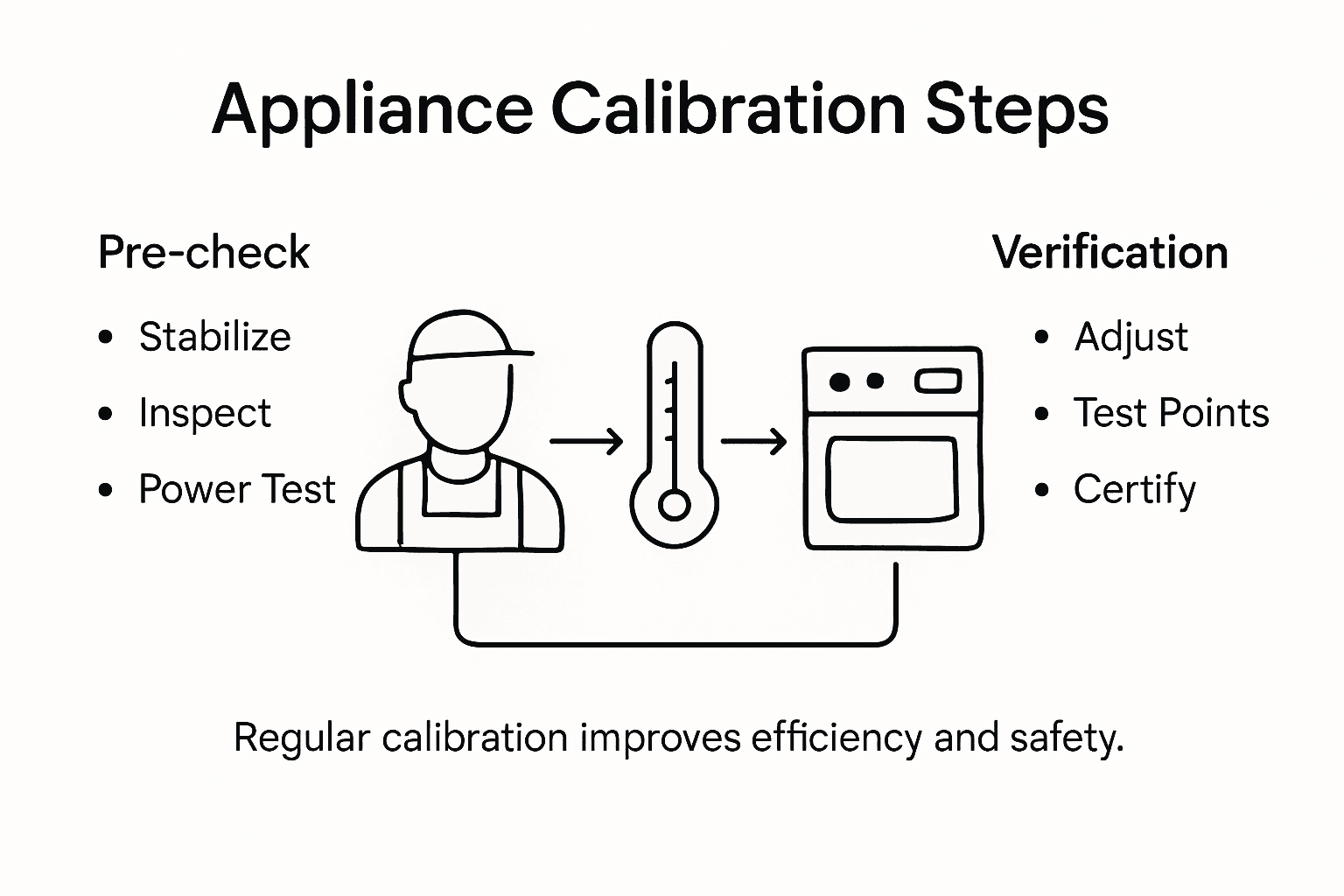
The calibration process typically involves several key steps. First, instrument stabilization occurs, where the appliance is placed in a controlled environment to ensure consistent temperature and operating conditions. Next, technicians perform a detailed electrical calibration procedure that includes setting precise parameters, adjusting measurement tools, and verifying initial conditions. This involves comparing the appliance’s current performance against known standard reference points, making microscopic adjustments to align the device with its original manufacturer specifications.
Multiple test points are crucial in the calibration process. Technicians systematically check the appliance’s performance across its entire operational range, not just at a single point. For temperature-sensitive devices like refrigerators or ovens, this means testing at various temperature settings to ensure consistent and accurate performance. The goal is to identify and correct even minor variations that could impact the appliance’s efficiency, energy consumption, and overall reliability. Each adjustment is meticulously documented, creating a comprehensive record of the calibration process and any corrections made.
The final stage involves verification and certification. After making necessary adjustments, technicians conduct a comprehensive assessment to confirm that the appliance now meets all original performance standards. They generate a detailed calibration report that outlines specific measurements, adjustments, and the device’s current operational status. This documentation serves as a critical reference point for future maintenance and provides homeowners with tangible evidence of their appliance’s restored performance and reliability.
Pro tip: Request a detailed calibration report from technicians that includes before and after measurement comparisons to understand the specific improvements made to your appliance.
Risks, Costs, and Common Pitfalls
Appliance calibration involves significant potential risks that homeowners must carefully understand to prevent costly mistakes. Improper calibration can lead to a cascade of problems, ranging from minor performance inefficiencies to serious safety hazards. The consequences extend beyond simple equipment malfunction, potentially impacting energy consumption, operational reliability, and even household safety.
The financial implications of poor calibration are substantial. Poor quality calibration results in increased expenses through multiple channels, including equipment downtime, potential product recalls, and lost operational efficiency. Hidden costs can accumulate quickly – an uncalibrated refrigerator might consume 20% more electricity, while an improperly calibrated oven could lead to uneven cooking and potential food waste. These seemingly small discrepancies can translate into hundreds of dollars in unnecessary expenses over an appliance’s lifetime.
The table below summarizes common risks and financial impacts of poor appliance calibration:
| Risk | Description | Financial Impact |
|---|---|---|
| Increased energy use | Devices run inefficiently | Higher utility bills |
| Component failure | Premature part wear | Costly repairs |
| Regulatory issues | Warranty or compliance loss | Liability/exposure |
| Safety hazards | Potential electrical problems | Damage, health risk |
Several common pitfalls emerge in the calibration process that homeowners should be aware of. Inexperienced technicians might use incorrect reference standards, fail to account for environmental variations, or overlook subtle performance deviations. Some homeowners mistakenly believe that calibration is a one-time event, when in reality, it requires periodic reassessment. Temperature-sensitive appliances like refrigerators and ovens are particularly vulnerable to gradual performance drift, which can occur even with minimal use. Professional technicians understand these nuanced challenges and employ sophisticated diagnostic techniques to identify and correct potential issues.
Additionally, regulatory compliance represents another critical consideration in appliance calibration. Improper documentation or inconsistent calibration practices can potentially void manufacturer warranties, create safety risks, and expose homeowners to unexpected liability. The most effective approach involves maintaining comprehensive records, working with certified technicians, and establishing a proactive maintenance schedule that anticipates potential performance variations before they become significant problems.
Pro tip: Invest in an annual professional calibration service and maintain a detailed log of all measurements and adjustments to track your appliances’ long-term performance trajectory.
Enhance Your Home Appliance Performance with Expert Calibration Services
If your household appliances like refrigerators, ovens, or washers are showing signs of inefficiency or inconsistent performance, precise calibration is key to restoring their peak function. Understanding the risks of uncalibrated devices such as increased energy bills and potential safety hazards, you deserve reliable solutions from skilled professionals who specialize in maintaining factory specifications and extending appliance life.
Trust the licensed technicians at Appliances Repair MD Tech to deliver expert calibration and repair services in Orange County and Los Angeles County. Our team uses state-of-the-art diagnostic tools to perform detailed assessments and adjustments that keep your appliances running smoothly and safely. Don’t wait for costly breakdowns or safety issues to arise. Book your appointment now and experience the advantage of professional calibration and repair from a community-trusted resource. Visit Appliance Repair Services and secure your home’s comfort and efficiency today.
Frequently Asked Questions
What does appliance calibration mean?
Appliance calibration is the process of measuring and adjusting household devices to ensure they perform accurately and efficiently, aligning their outputs with established measurement standards.
How often should I calibrate my home appliances?
It is recommended to schedule professional calibration for critical appliances like refrigerators and ovens at least once every two years to maintain their peak performance and prevent breakdowns.
What are the benefits of calibrating my appliances?
Calibrating appliances can lead to improved energy efficiency, reduced wear and tear on components, longer lifespans, and enhanced safety by preventing malfunctions and hazards.
What are the different types of appliance calibration?
The main types of appliance calibration include bench calibration, conducted in controlled environments, and field calibration, performed in the appliance’s actual setting. Each type has specific diagnostic approaches based on the appliance’s needs.