
Most American households use multiple appliances every day without a second thought, yet almost 70 percent of consumers never hear about recalls that could seriously affect their safety. This gap leaves families vulnerable to risks from fire hazards and faulty equipment right in their own kitchens. Knowing how appliance recalls work and understanding common misconceptions can make a major difference in keeping your home safe and avoiding unexpected surprises.
Table of Contents
- Defining Appliance Recalls And Common Misconceptions
- Types Of Appliance Recalls And Major Causes
- How The Appliance Recall Process Works
- Legal Obligations For Manufacturers And Consumers
- Safety Risks And Steps For Affected Homeowners
Key Takeaways
| Point | Details |
|---|---|
| Understanding Appliance Recalls | Appliance recalls are crucial safety measures taken to protect consumers from potentially hazardous products, not merely inconveniences. |
| Consumer Responsibility | Homeowners should actively monitor recall notifications and participate by registering warranties and responding promptly to recalls. |
| Manufacturer Obligations | Manufacturers must conduct thorough safety investigations, report hazards, and communicate effectively with consumers about recalls. |
| Immediate Actions After a Recall | Affected homeowners should immediately stop using recalled appliances, document the model and serial number, and follow manufacturer instructions for safety. |
Defining Appliance Recalls and Common Misconceptions
An appliance recall is a manufacturer’s proactive process of removing or correcting a product that potentially poses safety risks to consumers. Unlike many consumer assumptions, recalls are not simple inconveniences but critical safety interventions designed to protect households from potential hazards. The FDA classifies recalls into three distinct risk categories that help consumers understand the severity of potential problems.
Consumer misconceptions about recalls are widespread. Consumer Reports research reveals that nearly 70% of consumers report not hearing about a recall in the past five years, indicating significant communication gaps between manufacturers and end-users. This lack of awareness can leave homeowners unintentionally exposed to potential safety risks in their own kitchens and living spaces.
The recall process typically involves several key steps:
- Identification of a specific product defect
- Manufacturer notification to regulatory agencies
- Public communication through various media channels
- Offering repair, replacement, or refund options
Understanding these nuances helps homeowners take proactive steps in monitoring their appliances and responding appropriately when safety issues arise. Staying informed means regularly checking manufacturer websites, registering product warranties, and maintaining open communication channels with appliance brands and local service providers.
Types of Appliance Recalls and Major Causes
Appliance recalls can stem from multiple critical safety concerns, with electrical malfunctions representing one of the most prevalent categories. The Consumer Product Safety Commission (CPSC) has documented numerous recalls involving scenarios where electrical components create significant safety risks. These typically include issues like spontaneous heating element activation, short-circuiting, and unexpected temperature fluctuations that could potentially cause fires or serious burn hazards.
Major causes of appliance recalls can be categorized into several key areas:
- Manufacturing defects
- Design engineering flaws
- Material quality issues
- Electronic component failures
- Potential safety mechanism breakdowns
Specific product recalls demonstrate how design flaws can trigger widespread safety interventions. For instance, small appliances like mini refrigerators can pose significant risks if their electrical switches malfunction, potentially leading to overheating and fire hazards. Manufacturers typically initiate recalls when they identify systemic problems that could compromise consumer safety, regardless of whether immediate incidents have occurred.
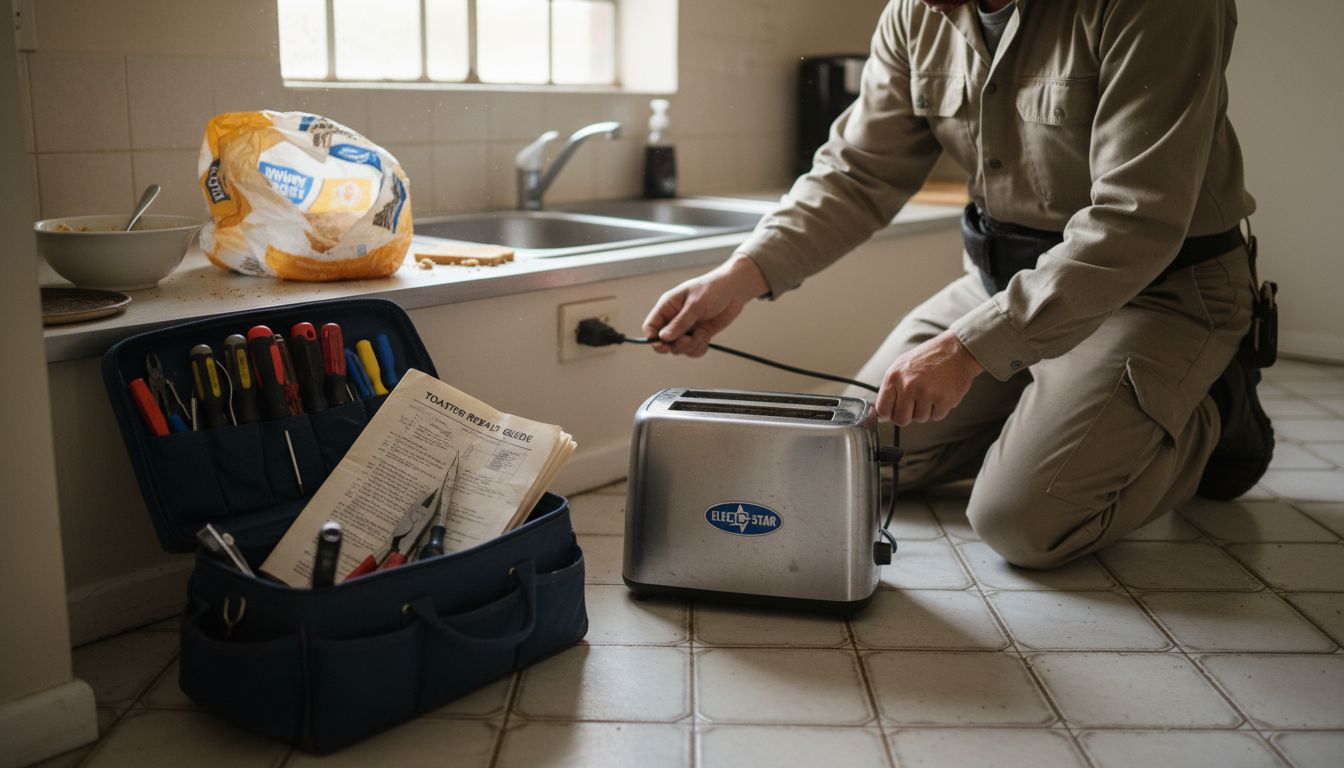
Understanding these recall types empowers homeowners to be proactive. Regular product registration, maintaining manufacturer communication, and staying informed about potential safety notices can help mitigate risks. Homeowners should promptly respond to recall notifications by checking serial numbers, following manufacturer instructions, and taking recommended actions such as repairs, replacements, or refunds to ensure household safety.
How the Appliance Recall Process Works
The appliance recall process is a comprehensive safety protocol involving multiple stakeholders to protect consumers from potential hazards. The FDA provides a detailed framework for product recall procedures, which serves as a blueprint for manufacturers across various industries. Typically, the process begins when a manufacturer identifies a potential safety issue through internal testing, consumer reports, or systematic quality control mechanisms.
The recall process follows several critical stages:
- Problem Identification
- Risk Assessment
- Regulatory Notification
- Public Communication
- Remediation Strategy
Government agencies like the USDA outline specific protocols for product removal when there’s a reasonable belief that a product might cause consumer harm. Manufacturers are required to develop a comprehensive plan that typically includes:
- Precise product identification (serial numbers, model details)
- Clear description of the potential hazard
- Specific instructions for consumers
- Mechanisms for repair, replacement, or refund
Effective communication is the cornerstone of a successful recall. Homeowners should remain vigilant by registering product warranties, monitoring manufacturer websites, and responding promptly to official recall notifications. This proactive approach ensures personal safety and helps manufacturers quickly address potential systemic issues in their product lines.
Legal Obligations for Manufacturers and Consumers
Legal responsibilities in appliance recalls create a critical framework of consumer protection and manufacturer accountability. The FDA mandates strict guidelines for manufacturers requiring them to immediately address potential safety risks, develop comprehensive recall strategies, and provide transparent communication about product defects. These legal obligations extend beyond simple notifications, encompassing a comprehensive approach to consumer safety and product integrity.
Manufacturers’ key legal responsibilities include:
- Conducting thorough product safety investigations
- Reporting identified hazards to regulatory agencies
- Developing clear remediation plans
- Funding repair or replacement programs
- Maintaining detailed documentation of recall processes
Consumer Reports highlights the critical role consumers play in the recall ecosystem, emphasizing that legal obligations are not one-sided. Consumers must actively participate by:
- Registering product warranties
- Monitoring manufacturer and regulatory websites
- Responding promptly to recall notifications
- Maintaining product documentation
- Following recommended safety instructions
Ultimately, successful recall processes represent a collaborative legal partnership between manufacturers and consumers. While manufacturers bear the primary responsibility for product safety, consumers play an essential role in identifying potential issues, reporting concerns, and participating in resolution strategies. This mutual commitment helps protect households from potential safety risks and ensures ongoing product quality and reliability.
Safety Risks and Steps for Affected Homeowners
Appliance recalls represent critical safety interventions that demand immediate homeowner attention. Potential safety risks can range from electrical malfunctions to mechanical failures that might cause fires, burns, or other serious hazards. The Consumer Product Safety Commission (CPSC) consistently provides detailed guidance for homeowners with recalled appliances, emphasizing the importance of swift and decisive action.
Immediate steps for homeowners with recalled appliances include:
- Stop using the appliance immediately
- Unplug the device from electrical outlets
- Isolate the appliance from other household items
- Contact the manufacturer
- Document the model and serial number
Specific recall notices often provide explicit instructions for consumer safety, which may involve options such as:
- Free repair services
- Complete product replacement
- Full refund of the purchase price
- Professional removal of the defective appliance
Homeowners should treat recall notifications with utmost seriousness. Proactive engagement means not only addressing the immediate safety concern but also protecting your household from potential long-term risks. Documenting all communication, keeping original purchase receipts, and following manufacturer instructions precisely can help ensure a smooth resolution to the recall process.
Protect Your Home from Appliance Risks with Trusted Local Repairs
Understanding appliance recalls and the potential safety hazards they pose is the first step toward keeping your household safe. Electrical malfunctions, design flaws, and manufacturing defects discussed in the article highlight real dangers that require immediate and professional attention. If you have a recalled appliance or suspect any safety issues, taking swift action is critical for your safety and peace of mind.
Don’t let the stress of appliance recalls overwhelm you. Turn to Appliances Repair MD Tech for expert repair services in Orange County and Los Angeles County. Our licensed technicians provide fast, reliable repairs and replacements for a broad range of appliances including refrigerators, washers, dryers, and ovens. Stay ahead of safety risks by scheduling a service through our online booking system now and ensure your home remains protected. Learn more about how we help homeowners respond safely to recalls by visiting our landing page and take control of your appliance safety today.
Frequently Asked Questions
What is an appliance recall?
An appliance recall is a manufacturer-led process to remove or correct a product that may pose safety risks to consumers. It is a proactive measure to protect households from potential hazards.
What steps should homeowners take if their appliance is recalled?
Homeowners should stop using the appliance immediately, unplug it, isolate it from other household items, contact the manufacturer, and document the model and serial number for reference.
What are common causes of appliance recalls?
Common causes of appliance recalls include manufacturing defects, design engineering flaws, material quality issues, electrical component failures, and potential breakdowns of safety mechanisms.
How can homeowners stay informed about appliance recalls?
Homeowners can stay informed by regularly checking manufacturer websites, registering product warranties, monitoring recall notifications from regulatory agencies, and maintaining open communication with appliance brands.