
Nobody wants the hassle of cold showers or unreliable hot water disrupting everyday life, especially for American families in Orange and Los Angeles Counties. A malfunctioning water heater can stall routines and create stress. More than 90 percent of homeowners experience water heater problems each decade, making timely repair knowledge essential. This guide covers what water heater repair really involves and explains how understanding the basics can save you time, money, and frustration.
Table of Contents
- What Is Water Heater Repair? Essential Basics
- Types Of Water Heaters And Typical Issues
- Repair Process: From Diagnosis To Fixes
- Safety Concerns And When To Call Experts
- Costs, Risks, And Avoiding Common Mistakes
Key Takeaways
| Point | Details |
|---|---|
| Water Heater Maintenance is Crucial | Regular inspections and maintenance can extend the lifespan of water heaters and prevent costly repairs. |
| Understand Your Water Heater Type | Different water heater types have unique maintenance needs and common issues; knowledge is essential for effective management. |
| Prioritize Safety | Be aware of warning signs that indicate potential risks, and don’t hesitate to seek professional help when necessary. |
| Avoid Common Mistakes | Neglecting maintenance or ignoring early issues can lead to significant costs and safety hazards over time. |
What Is Water Heater Repair? Essential Basics
Water heater repair involves maintaining and addressing problems with residential hot water systems to ensure consistent performance and prevent potential breakdowns. Homeowners in Orange and Los Angeles Counties rely on functional water heaters for daily activities like showering, washing dishes, and doing laundry. Understanding the fundamental aspects of water heater repair can help you recognize issues early and prevent costly replacements.
Repair processes cover various water heater types, including tank-style and tankless models powered by gas or electric systems. Key components typically addressed during repairs include the heating element, anode rod, thermostat, and pressure relief valve. Common repair tasks involve managing sediment buildup, rust, corrosion, and leaking components that can compromise system efficiency and performance.
Maintaining your water heater requires understanding its lifecycle and potential issues. Most tank-style water heaters have an average operational lifespan of about 10 years, while tankless models can last up to 20 years with proper maintenance. Regular inspections and timely repairs can significantly extend these timeframes, preventing unexpected failures and expensive emergency replacements. Homeowners should prioritize annual maintenance checks to identify potential problems before they escalate into major system failures.
Pro tip: Schedule professional water heater inspections annually to catch minor issues before they become expensive repairs and extend your system’s operational life.
Types of Water Heaters and Typical Issues
Water heaters come in several distinct configurations, each with unique characteristics and potential maintenance challenges. Homeowners have multiple options for water heating systems, ranging from traditional storage tank models to more advanced technological solutions. Understanding the differences between these systems can help residents make informed decisions about installation, repair, and long-term maintenance.
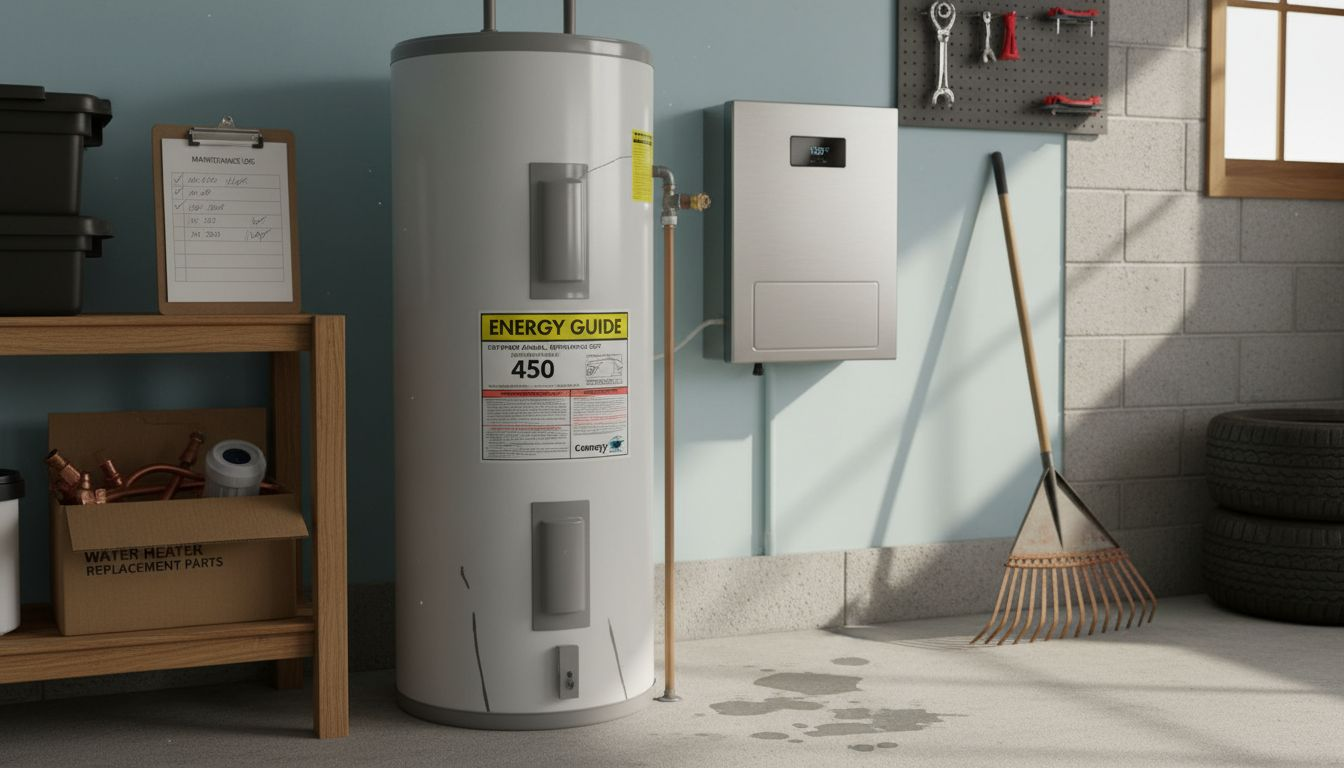
The primary water heater types include conventional storage tanks, tankless or on-demand systems, heat pump water heaters, solar water heaters, and indirect water heaters. Conventional tank-style heaters remain the most common, available in both gas and electric models. These systems store and continuously heat water, which can lead to issues like sediment buildup, rust formation, and potential leaks. Tankless models, by contrast, heat water directly as it flows through the system, offering more energy efficiency but potentially experiencing scaling problems and limited flow rates.
Each water heater type presents unique maintenance considerations. Heat pump water heaters require specific environmental conditions and regular air filter maintenance. Solar water heaters need periodic inspections for potential freezing and corrosion risks. Tank-style water heaters frequently experience sediment accumulation, which can cause noise and reduce heating efficiency. Symptoms like rust-colored water, inconsistent hot water supply, or reduced water pressure can indicate underlying system problems that require professional evaluation.
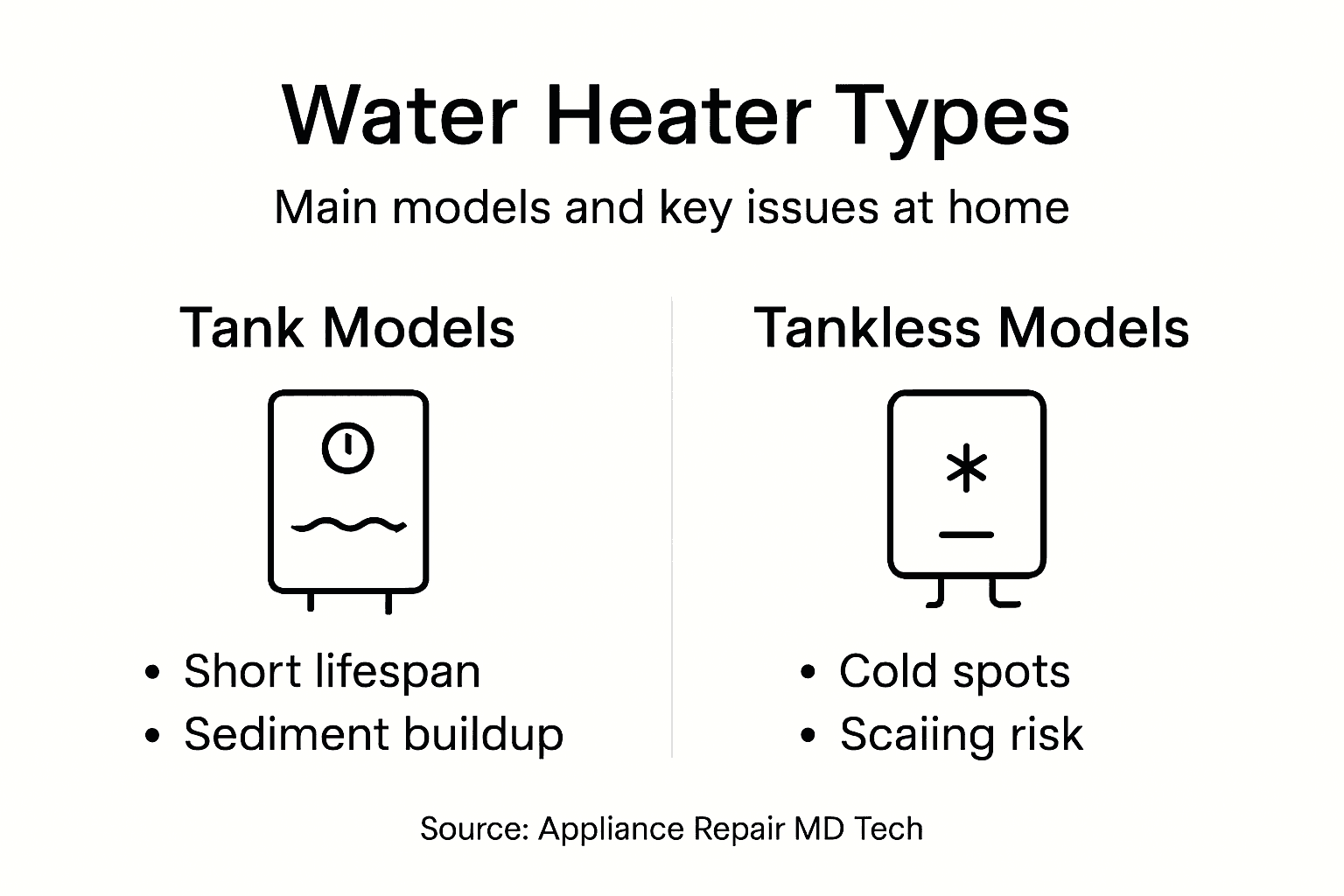
Here’s how the main water heater types differ in lifespan, maintenance needs, and common concerns:
| Water Heater Type | Expected Lifespan | Key Maintenance Needs | Typical Issues |
|---|---|---|---|
| Conventional Tank | 8–12 years | Annual flushing, check anode rod | Sediment, rust, tank leaks |
| Tankless (On-Demand) | 15–20 years | Descale annually, inspect venting | Mineral scaling, low flow rate |
| Heat Pump | 10–15 years | Air filter cleaning, check surroundings | Noise, performance in cold spaces |
| Solar | 15–20 years | Inspect panels and fluids, test freeze controls | Corrosion, freezing risks |
| Indirect | 10–15 years | Boiler maintenance, check tank connections | Sludge buildup, tank leaks |
Pro tip: Photograph your water heater’s model and serial number during installation to streamline future repair and maintenance processes.
Repair Process: From Diagnosis to Fixes
Water heater repair is a systematic process that requires careful diagnosis and targeted interventions to restore optimal system performance. Identifying specific symptoms is the critical first step in water heater troubleshooting, enabling homeowners and technicians to pinpoint underlying issues and develop appropriate repair strategies.
The diagnostic phase involves comprehensive system evaluation, which includes examining water color, checking for leaks, assessing heating consistency, and measuring water pressure. Key diagnostic indicators include rust-colored water, unusual noises, inadequate hot water supply, and visible tank damage. Technicians typically perform a series of tests to determine the root cause, which might range from sediment accumulation and anode rod deterioration to complex heating element or thermostat malfunctions. Some minor issues can be addressed through DIY methods, but gas water heaters and complex repairs require professional expertise.
Repair interventions are tailored to specific water heater types and identified problems. Common repair procedures include flushing sediment buildup, replacing faulty components like pressure relief valves, repairing heating elements, and addressing potential gas or electrical system complications. Safety protocols are paramount during the repair process, requiring complete power or gas shutoff before any technical work begins. Documentation of repairs, safety testing, and component replacement ensures comprehensive system restoration and helps prevent future breakdowns.
Pro tip: Keep a detailed maintenance log for your water heater, recording all repairs, inspections, and part replacements to track system health and anticipate potential future issues.
Safety Concerns and When to Call Experts
Water heater safety involves understanding potential risks and knowing when professional intervention becomes critical for homeowner protection. Temperature and pressure management are fundamental safety considerations that can prevent dangerous scenarios like scalding, tank rupture, or system failure.
Homeowners should be vigilant about several key safety indicators that warrant immediate expert attention. Critical warning signs include persistent water leaks, unusual noises, gas odors, inconsistent water temperatures, and visible tank corrosion. Gas water heater safety requires professional inspection to prevent carbon monoxide risks and potential explosive hazards. Specific scenarios demanding professional intervention include blocked chimney vents, damaged gas components, malfunctioning pressure relief valves, and signs of significant structural deterioration.
The following table summarizes common warning signs and what they may indicate for your water heater:
| Warning Sign | Possible Cause | Safety Risk Level |
|---|---|---|
| Persistent leaks | Tank corrosion, bad valve | High—risk of property damage |
| Gas odor | Gas leak or vent issue | Critical—explosion risk |
| Rust-colored water | Corroded anode, rust in tank | Medium—health concern |
| Noises (popping, banging) | Sediment or scale buildup | Low to Medium |
| Fluctuating temp | Thermostat or element failure | Medium—scalding possible |
Proper water heater temperature management is crucial for safety and efficiency. Experts recommend maintaining water temperatures between 115 to 140 degrees Fahrenheit, installing anti-scalding devices for higher settings, and ensuring regular professional inspections. Gas water heaters require additional scrutiny due to potential ventilation, ignition, and carbon monoxide concerns. Homeowners should prioritize annual professional inspections, particularly for systems over five years old or showing signs of potential malfunction.
Pro tip: Install a carbon monoxide detector near your water heater and perform monthly visual inspections to catch potential safety issues early.
Costs, Risks, and Avoiding Common Mistakes
Water heater maintenance and repair involves navigating complex financial and safety considerations that can significantly impact homeowners’ long-term comfort and budget. Repair and replacement costs vary widely depending on system type and complexity, with typical maintenance expenses ranging from routine service calls to potentially expensive system replacements.
Homeowners face several critical risks when neglecting water heater maintenance, including potential property damage from leaks, bacterial contamination, and inefficient system performance. Common mistakes can lead to significant financial and health consequences, such as exposure to harmful bacteria like Legionella, unexpected system failures, and voided manufacturer warranties. Key risks include improper water temperature settings, irregular maintenance, DIY repairs without proper expertise, and ignoring early warning signs of system deterioration.
Preventing costly mistakes requires a proactive approach to water heater management. Routine maintenance typically costs between $75 to $250 for professional services like draining and flushing, which is significantly less expensive than emergency repairs or full system replacement. Homeowners should prioritize professional inspections, maintain appropriate water temperatures, invest in high-efficiency models, and address potential issues immediately. Choosing qualified technicians who understand local water conditions and specific system requirements can help minimize long-term repair costs and extend water heater lifespan.
Pro tip: Create a digital maintenance calendar with scheduled service reminders and keep all repair documentation to track your water heater’s health and potential warranty claims.
Expert Water Heater Repair to Restore Your Comfort
Dealing with inconsistent hot water, strange noises, or leaks can disrupt your daily routine and create stress over unexpected repair costs. Understanding the symptoms like sediment buildup, rust-colored water, or fluctuating temperatures is just the first step. To keep your water heater running safely and efficiently longer, professional repair and maintenance are essential. Our licensed technicians specialize in diagnosing and fixing all water heater types including tank-style, tankless, and solar models with proven expertise in Orange County and Los Angeles County.
Don’t wait until minor issues turn into costly emergencies. Visit Appliance Repair MD Tech today and schedule your water heater repair service with trusted local professionals. Benefit from quick response times, thorough inspections, and repairs that prioritize safety and comfort for your home. Learn more about how we handle water heater repairs by visiting our main landing page and get peace of mind with expert support that lasts.
Frequently Asked Questions
What are common signs that my water heater needs repair?
Common signs include rust-colored water, inconsistent hot water supply, unusual noises (like popping or banging), visible leaks, and fluctuating water temperatures. If you notice any of these issues, it’s best to consult a professional.
How often should I have my water heater inspected?
It is recommended to schedule professional inspections annually to catch minor issues before they become major problems and to extend the operational life of your water heater.
What maintenance does a tank-style water heater require?
A tank-style water heater typically requires annual flushing to remove sediment buildup and checking the anode rod to prevent rust and corrosion.
How long can I expect my water heater to last?
The average lifespan of a conventional tank-style water heater is about 8–12 years, while tankless models can last up to 15–20 years with proper maintenance.