
Most american households replace old appliances every few years, yet only around 20 percent of discarded electronics are properly recycled in the United States. For homeowners and property managers in Orange and Los Angeles Counties, understanding what truly happens to used equipment is vital. This guide reveals practical strategies for responsible appliance recycling, dispels common myths, and empowers you to make eco-friendly choices that protect community health and California’s natural resources.
Table of Contents
- Defining Appliance Recycling and Key Misconceptions
- Types of Appliances and How Recycling Works
- California Regulations for Appliance Disposal
- Environmental and Health Impacts of Recycling
- Homeowner Responsibilities and Common Mistakes
Key Takeaways
| Point | Details |
|---|---|
| Understanding Appliance Recycling | Appliance recycling is not just about waste disposal; it conserves resources and reduces environmental impact by transforming materials into new products. |
| Regulatory Compliance in California | Homeowners must comply with strict California regulations governing hazardous materials to ensure safe appliance disposal and environmental protection. |
| Environmental Benefits | Proper recycling prevents pollution, conserves raw materials, and saves energy, positively impacting ecosystems and community health. |
| Homeowner Responsibilities | Homeowners play a crucial role in the recycling process by preparing appliances correctly and using certified recycling centers to avoid common disposal mistakes. |
Defining Appliance Recycling and Key Misconceptions
Appliance recycling represents far more than simply discarding old machines. At its core, recycling involves capturing discarded materials and transforming them into useful products, a process that extends well beyond traditional waste management strategies. Homeowners in Orange and Los Angeles Counties need to understand that effective appliance recycling is about resource conservation and reducing environmental impact.
Contrary to popular belief, the primary value of recycling isn’t just avoiding landfill waste. The most significant environmental benefits emerge from substituting recycled materials for virgin resources, which dramatically reduces energy consumption and raw material extraction. When you recycle an old refrigerator or washing machine, you’re not just disposing of equipment – you’re participating in a complex system that helps minimize industrial resource demand.
The appliance recycling process involves several critical stages:
- Collection: Gathering appliances from residential and commercial sources
- Disassembly: Carefully separating components by material type
- Material Processing: Breaking down materials like metals, plastics, and electronics
- Remanufacturing: Transforming recovered materials into new products
Understanding these stages helps homeowners recognize recycling as a sophisticated environmental strategy rather than a simple disposal mechanism. Different appliances require unique recycling approaches, with electronic components and metal parts often having the most straightforward recovery pathways.
Pro tip: Before recycling any appliance, remove and properly dispose of any hazardous components like refrigerant or battery systems to ensure safe and responsible recycling.
Types of Appliances and How Recycling Works
Appliance recycling encompasses a wide range of household equipment, from kitchen appliances to electronic devices. Electronic waste contains numerous recoverable metals and hazardous materials that require specialized processing, making understanding the recycling process crucial for responsible disposal. Different types of appliances demand unique recycling approaches to maximize resource recovery and minimize environmental impact.
Major appliance categories for recycling include:
- Large Kitchen Appliances: Refrigerators, ovens, dishwashers
- Laundry Equipment: Washing machines, dryers
- Electronic Devices: Computers, televisions, mobile phones
- Small Electrical Appliances: Microwaves, toasters, blenders
California’s waste composition reports highlight the critical importance of comprehensive recycling programs that systematically sort and process different materials. The recycling process typically involves several intricate stages. For large appliances like refrigerators, technicians first remove hazardous components such as refrigerants and oils. Metal components are then separated, cleaned, and prepared for remanufacturing, while plastic and electronic parts undergo specialized processing.
Electronic waste requires particularly careful handling due to the presence of toxic materials like lead, mercury, and copper. Professional recycling centers use advanced techniques to safely extract valuable metals and prevent environmental contamination. By understanding these processes, homeowners can make more informed decisions about appliance disposal and contribute to sustainable waste management.
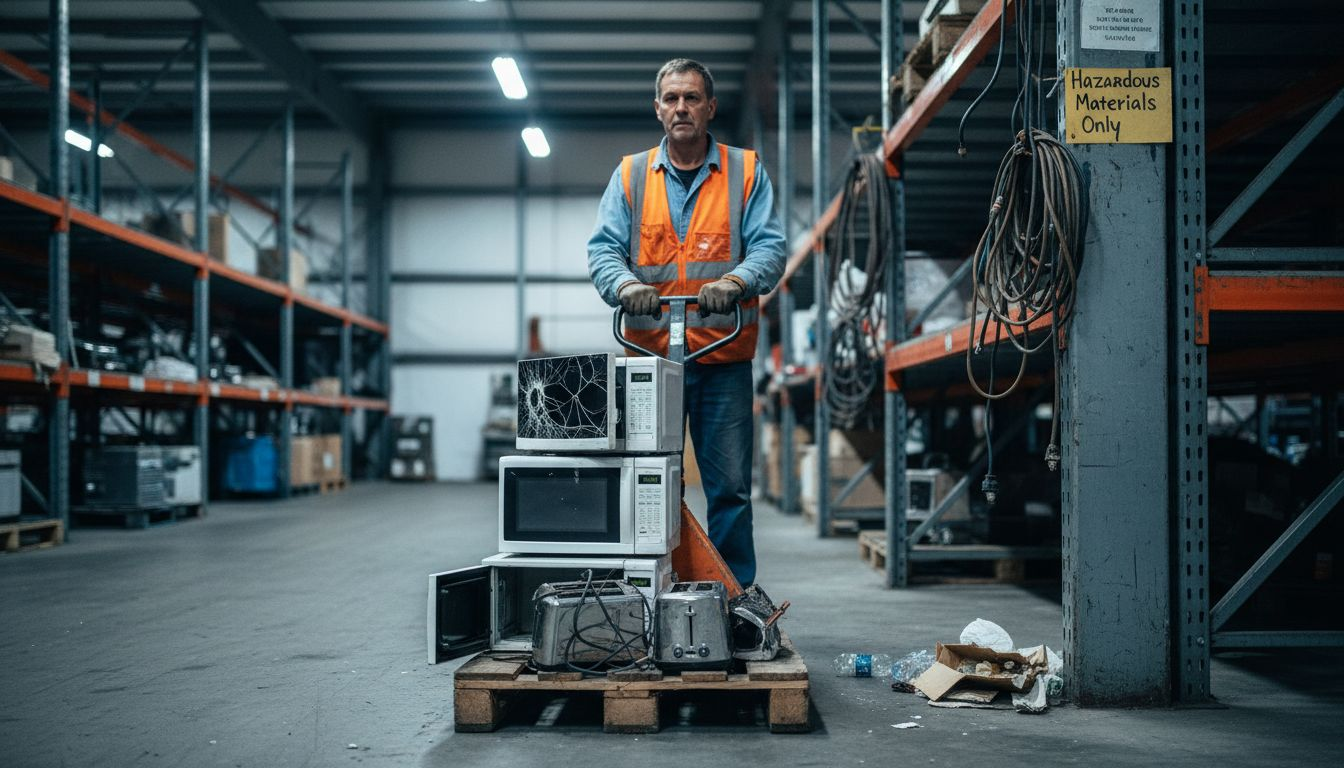
Pro tip: Contact local recycling centers in advance to understand their specific requirements for different appliance types and ensure proper preparation before drop-off.
California Regulations for Appliance Disposal
California has implemented comprehensive regulations to ensure responsible appliance disposal and environmental protection. The state defines major appliances broadly, including washing machines, dryers, stoves, refrigerators, and air conditioners, recognizing the potential environmental risks associated with improper disposal.
Key regulatory requirements focus on the careful management of Materials Requiring Special Handling (MRSH). These materials include:
- Chlorofluorocarbons (CFCs)
- Hydrochlorofluorocarbons (HCFCs)
- Polychlorinated biphenyls (PCBs)
- Hazardous oils and refrigerants
- Toxic capacitor components
The Certified Appliance Recycler (CAR) Program mandates strict protocols for professionals handling appliance disposal, ensuring that hazardous materials are removed and documented appropriately. Certified technicians must follow precise procedures when dismantling appliances, focusing on safely extracting potentially harmful substances before recycling or final disposal.
Homeowners in Orange and Los Angeles Counties should understand that compliance with these regulations is not optional. Each appliance type presents unique challenges, requiring specialized handling to prevent environmental contamination. Professional recycling centers are equipped with the necessary certifications and technical expertise to manage these complex disposal requirements, protecting both public health and environmental resources.
Here is a comparison of recycling requirements for key appliance categories in California:
| Appliance Type | Most Critical Handling Requirement | Common Hazardous Material | Role of Certified Recycler |
|---|---|---|---|
| Refrigerator | Remove and document refrigerants | CFCs, oils | Ensures hazardous components removed |
| Washing Machine/Dryer | Extract toxic capacitors | PCB capacitors, oils | Professional dismantling and record |
| Electronic Devices | Safely manage toxic metals | Lead, mercury, copper | Advanced metal extraction |
| Air Conditioner | Recover refrigerants and oils | HCFCs, CFCs | Compliance with state mandates |
Pro tip: Always request documentation of proper disposal from certified recycling centers to ensure your appliances are processed in full compliance with California environmental regulations.
Environmental and Health Impacts of Recycling
Proper appliance recycling plays a critical role in preventing environmental degradation by mitigating the release of harmful substances that threaten ecological balance. Refrigerants, oils, and hazardous materials like mercury and polychlorinated biphenyls (PCBs) can cause significant damage to ecosystems when improperly disposed of, making responsible recycling essential for protecting public health and environmental sustainability.
The environmental benefits of appliance recycling extend far beyond waste reduction. Key impacts include:
- Preventing ozone layer depletion
- Reducing greenhouse gas emissions
- Conserving raw material extraction
- Minimizing soil and water contamination
- Saving substantial energy compared to virgin material production
California’s Zero Waste Plan demonstrates a comprehensive approach to addressing waste management challenges, recognizing that current recycling efforts still leave over 40 million tons of waste in landfills annually. The plan focuses on systemic improvements, promoting circular economy principles that transform waste from a environmental liability into a resource-conservation opportunity.
For homeowners in Orange and Los Angeles Counties, understanding these environmental impacts transforms appliance recycling from a simple disposal task to a meaningful environmental stewardship action. Each recycled appliance represents a tangible contribution to reducing carbon footprints, preserving natural resources, and protecting community health through responsible waste management.

This summary consolidates the main environmental benefits of appliance recycling:
| Environmental Benefit | Mechanism | Broader Impact |
|---|---|---|
| Ozone Layer Protection | Proper refrigerant disposal | Reduces harmful emissions |
| Energy Savings | Substituting recycled materials | Lowers production energy |
| Raw Material Conservation | Recovery of metals and plastics | Limits resource depletion |
| Pollution Prevention | Safe handling of toxic substances | Minimizes eco-toxicity |
Pro tip: Request an environmental impact report from your recycling center to understand the specific ecological benefits of your appliance disposal efforts.
Homeowner Responsibilities and Common Mistakes
Homeowners play a critical role in responsible appliance disposal, requiring careful preparation and understanding of complex recycling requirements. Proper disposal goes beyond simply placing an old appliance on the curb, demanding thoughtful consideration of environmental and safety protocols specific to different device types.
Common mistakes that homeowners frequently make during appliance disposal include:
- Failing to remove food or liquid contents from appliances
- Neglecting to unplug and clean devices before recycling
- Attempting to dispose of appliances with refrigerants or gas lines independently
- Not using certified recycling centers
- Overlooking local regulations and specific disposal guidelines
Certified recyclers provide essential guidance for safe appliance disposal, ensuring that hazardous components are handled professionally. For Orange and Los Angeles County residents, this means understanding that different appliances require unique preparation steps. Refrigerators need special handling for coolant removal, while electronic devices demand careful management of potentially toxic internal components.
Being an informed homeowner means recognizing that appliance recycling is more than a convenience – it’s an environmental responsibility. Each carefully prepared and professionally recycled appliance represents a direct contribution to reducing waste, conserving resources, and protecting community health through responsible waste management practices.
Pro tip: Contact your local recycling center in advance to get specific preparation instructions for each type of appliance you plan to recycle.
Protect Your Home and the Environment with Expert Appliance Services
Understanding the critical role of appliance recycling in protecting California homes reveals just how important proper disposal and maintenance are to community health. The challenges of removing hazardous materials like refrigerants and capacitors safely cannot be underestimated. If you want to extend the life of your appliances and reduce environmental impact, timely repairs and professional servicing are essential. Avoid common pitfalls like improper disposal and unlicensed handling by relying on trusted experts in Orange and Los Angeles Counties.
Take action today by choosing reliable, certified technicians who specialize in appliances such as refrigerators, washers, dryers, and more. At Appliances Repair MD Tech, we combine fast, dependable repairs with deep expertise in household appliances and HVAC systems to help you maintain efficiency and comply with environmental best practices. Book your service online now at Appliances Repair MD Tech and join the movement toward safer, greener homes.
Frequently Asked Questions
What is appliance recycling, and why is it important?
Appliance recycling involves capturing discarded materials and transforming them into useful products. It is important because it helps reduce landfill waste, conserves natural resources, and minimizes environmental impacts associated with raw material extraction.
How does the appliance recycling process work?
The appliance recycling process typically includes stages such as collection, disassembly, material processing, and remanufacturing, allowing for the recovery of valuable materials like metals and plastics while ensuring the safe disposal of hazardous components.
What types of appliances can be recycled?
Commonly recycled appliances include large kitchen appliances (like refrigerators and ovens), laundry equipment (such as washing machines and dryers), electronic devices (like computers and televisions), and small electrical appliances (such as microwaves and blenders).
What are the environmental benefits of recycling appliances?
Recycling appliances contributes to several environmental benefits, including preventing ozone layer depletion, reducing greenhouse gas emissions, conserving raw materials, minimizing soil and water contamination, and saving energy compared to the production of new materials.