
A single overlooked recall notice can put your entire household at risk without warning. For homeowners in Orange and Los Angeles Counties, understanding what a recall notice really means is not just a formality but a serious step toward preventing injuries, fires, and other hazards. Recognizing the difference between urgent government alerts and routine updates empowers you to act quickly, protect your family, and avoid unnecessary legal headaches in your own home.
Table of Contents
- What Appliance Recall Notices Mean
- Types of Recalls and Safety Hazards
- How Recall Notifications Are Issued
- Legal Duties for California Homeowners
- Responding to Recalls and Avoiding Risks
Key Takeaways
| Point | Details |
|---|---|
| Understand Recall Notices | Recall notices are mandatory communications that inform consumers about defects posing hazards, requiring immediate action to ensure safety. |
| Categorize Recalls by Severity | Recalls are classified as Class I, II, or III based on hazard severity, with Class I requiring immediate cessation of use. |
| Legal Responsibilities | California homeowners are legally obligated to address recalled appliances and can face liability for neglecting recall notices. |
| Proactive Measures | Register appliances with manufacturers to receive recall alerts directly and regularly check recall databases to stay informed. |
What Appliance Recall Notices Mean
When a manufacturer or regulatory agency issues a recall notice, they’re essentially saying “Stop using this appliance.” It sounds dramatic, but that’s exactly what it means. A product recall is an official request by a manufacturer or regulatory body for consumers to return or dispose of a product after discovering defects or safety issues. In practical terms for you as a homeowner in Orange or Los Angeles County, this means someone has identified a real hazard in your refrigerator, washing machine, dryer, or other household appliance that could cause injury, fire, electrical shock, or other harm. The recall notice is the manufacturer’s and government’s way of making sure you know about it and understand what to do next.
These notices aren’t optional suggestions. They’re formal communications designed to protect your family from immediate danger. When manufacturers discover a defect in their appliances, they must notify consumers through SaferProducts.gov and public announcements, documenting the specific hazard and recommending action steps like stopping use, returning the unit, getting a repair, or receiving a refund. The scope varies widely. Some recalls affect only appliances made during a specific production window. Others cover entire model lines. A recall might mean your 2-year-old refrigerator has a faulty electrical component that poses a fire risk, or your oven’s thermal sensor could malfunction and cause dangerously high temperatures. Each situation requires different action, which is why the specific details in the recall notice matter so much.
Understanding what a recall notice means is different from understanding what to do about it. The notice itself contains critical information: which model numbers and serial numbers are affected, what the hazard is, and what steps you should take immediately. Some recalls require you to stop using the appliance right away. Others allow continued use under certain conditions while you arrange a repair or replacement. Reading through the entire notice, not just scanning the headline, ensures you actually understand whether your specific appliance is included and what risk it poses. This becomes especially important in a busy household where someone might use an appliance without knowing a recall exists.
Pro tip: Register your major appliances with their manufacturers when you install them, so you’ll receive recall notices directly via email rather than discovering them by chance or reading about a problem in the news after it’s already caused harm.
Types of Recalls and Safety Hazards
Not all recalls are created equal. The Consumer Product Safety Commission uses a three-tier system to categorize recalls based on severity. Class I recalls involve the most serious hazards. These are appliances that could cause serious injury or death. Think about a refrigerator with a faulty compressor that poses a fire risk, or a washing machine with an electrical defect that could cause electrocution. Class II recalls address moderate hazards that might cause temporary or minor health issues but are less immediately life-threatening. A dishwasher with a spray arm that could break and cause minor cuts, or a dryer with a sensor that occasionally malfunctions would fall into this category. Class III recalls concern products that violate regulatory standards but are unlikely to cause health problems. These are the least severe but still matter because they indicate the manufacturer failed to meet safety requirements.
The actual hazards vary widely depending on the appliance and the defect. Common recall triggers in household appliances include fire hazards from electrical components, chemical exposures from cleaning products or refrigerant leaks, mechanical defects that cause moving parts to fail unexpectedly, and burn risks from improperly functioning heating elements. Your refrigerator might be recalled for a compressor fire hazard. Your oven could face a recall if the heating element doesn’t shut off properly. Washing machines sometimes get recalled for electrical shock risks or for catching fire during the spin cycle. Dryers are frequently recalled for fire hazards in the heating mechanism or lint filter assembly. Each appliance type has its own common failure modes that manufacturers watch for.
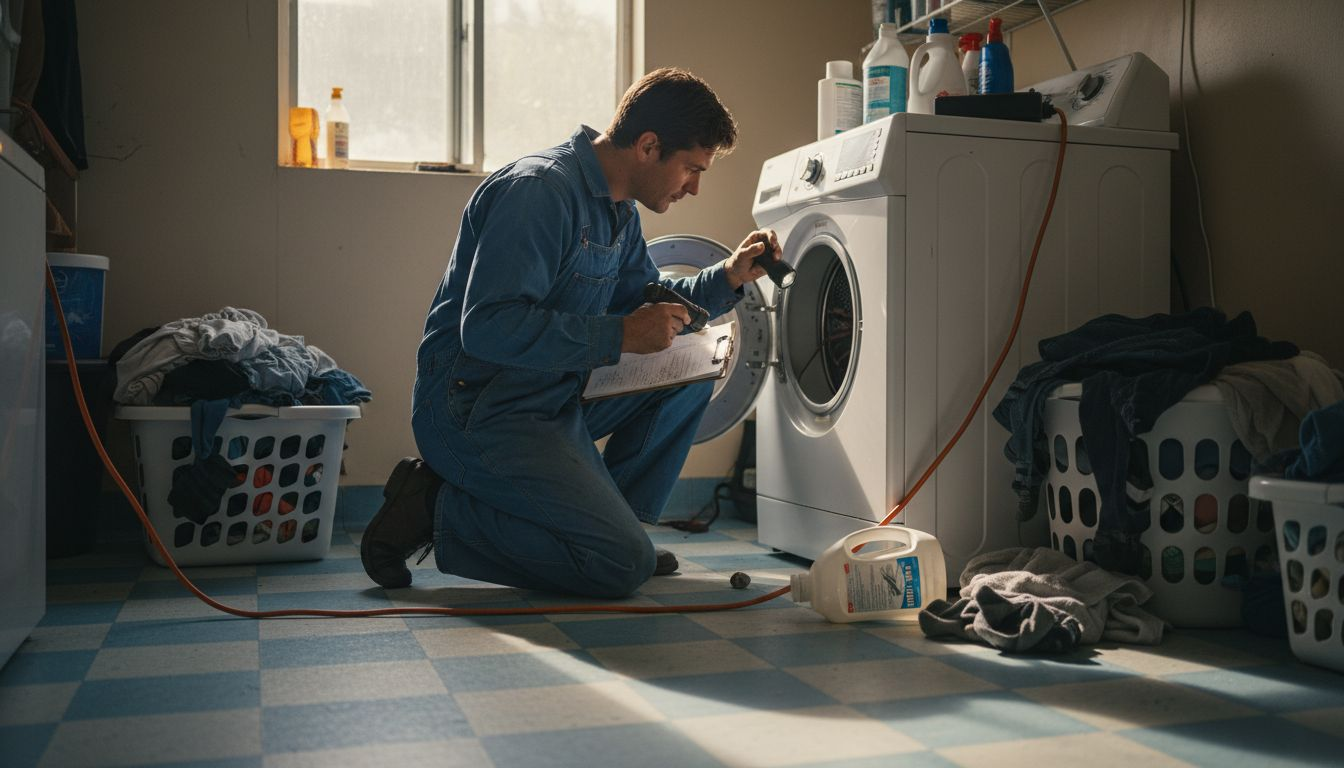
Here is a helpful summary of common recall triggers and the appliances most often affected:
| Appliance Type | Typical Recall Hazard | Potential Consequence |
|---|---|---|
| Refrigerator | Electrical fires | Home fire, injury |
| Washing Machine | Electrical shock or overheating | Electrocution, burns |
| Dryer | Lint/fire hazards | House fire, property loss |
| Oven/Range | Faulty heating element | Burns, cooking malfunction |
| Dishwasher | Broken spray arms | Cuts, water leaks |
| Freezer | Refrigerant leaks | Chemical exposure |
Understanding the difference between these recall types helps you assess how urgently you need to act. A Class I recall for your refrigerator demands immediate attention. You should stop using it and contact the manufacturer or retailer right away. A Class III recall, while still requiring action, doesn’t carry the same emergency pressure. Most households in Orange and Los Angeles County will encounter at least one or two recalls during the lifetime of their appliances. The key is knowing which ones require you to cease using an appliance immediately and which ones allow you to continue with precautions while waiting for service. Your appliance repair technician at MD Tech can help you understand what a specific recall means for your situation and what repair or replacement options are available.
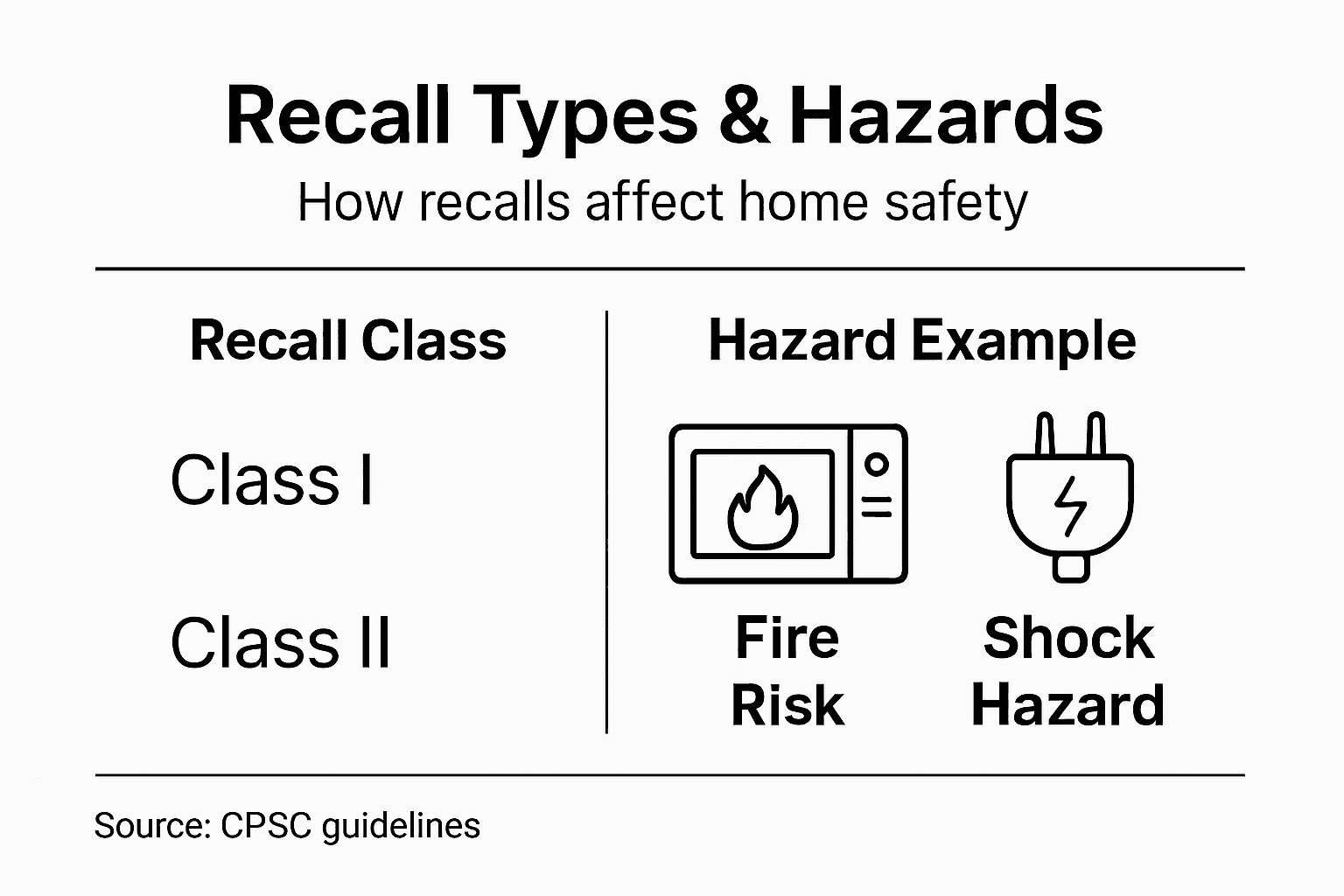
Pro tip: When you receive a recall notice, immediately check whether it’s Class I, II, or III to determine if you need to stop using the appliance right away or if you can safely continue operating it while arranging service.
Use this table for a quick comparison of recall classes and recommended actions:
| Recall Class | Hazard Severity | Typical Required Action | Response Urgency |
|---|---|---|---|
| Class I | Severe (death/serious injury risk) | Stop use immediately; repair or replace | Immediate |
| Class II | Moderate (minor health risk) | Arrange service; may continue use with caution | As soon as possible |
| Class III | Low (regulatory violation) | Repair or update as instructed | Within reasonable time |
How Recall Notifications Are Issued
Recall notifications don’t just appear out of nowhere. There’s an actual process behind them, and understanding how it works helps you know where to look for information about your appliances. The Consumer Product Safety Commission follows a structured approach that begins when a defect or safety hazard is identified. This might come from consumer complaints, injury reports, testing data, or manufacturer discovery. Once a potential hazard is confirmed, the CPSC assesses the risk level and works with the manufacturer to develop a recall strategy. The manufacturer must notify distributors and retailers, and then the public notification phase begins. This is where you come in. The CPSC issues public press releases and database updates to alert consumers about the specific products involved, the hazards they pose, and what actions to take. For urgent situations, the Fast Track Recall Program accelerates this entire process to get critical safety information to consumers as quickly as possible.
Multiple channels carry recall information, which is why you might hear about a recall through different sources. The CPSC publishes notifications on its official website, where they maintain searchable databases of active and past recalls. They also issue press releases that get picked up by news outlets, meaning you might learn about a recall through local Orange County or Los Angeles news coverage. Manufacturers often announce recalls directly to customers who registered their products, sending emails or letters to owners of affected appliances. The FDA uses similar notification methods for food-related appliances, with press releases and safety alerts on their official website. Retailers where the appliances were sold sometimes post notifications at the point of sale or contact previous buyers. Social media has become another avenue for recall announcements, with both government agencies and manufacturers using these platforms to reach people quickly.
The notification process includes specific details designed to help you determine if your appliance is affected. Each recall announcement identifies the product brand and model number, explains the hazard clearly, and tells you exactly what to do. Some notifications provide serial number ranges so you can check whether your specific unit is included. Others describe manufacturing dates so you can determine if your appliance falls within the affected timeframe. The risk assessment is included, helping you understand urgency. A Class I recall notification emphasizes immediate action needed, while a Class III recall may allow more time for response. Once the notification is issued, regulatory agencies continue monitoring the recall’s effectiveness to ensure manufacturers follow through with replacements, repairs, or refunds until the safety concern is resolved.
Pro tip: Bookmark the CPSC website and subscribe to their email updates so you receive recall notifications directly in your inbox rather than discovering them by chance or hearing about them secondhand.
Legal Duties for California Homeowners
As a homeowner in California, you have legal responsibilities that extend beyond just maintaining your property. When it comes to recalled appliances, your obligations go further than you might think. California law requires homeowners to maintain safe living environments, and that includes addressing appliances that have been recalled due to safety hazards. This isn’t just a suggestion or a courtesy. It’s a legal duty. If you receive a recall notice for your refrigerator, washing machine, dryer, or any other appliance, you’re legally obligated to take corrective action. That action might mean stopping use of the appliance, arranging for a repair, or requesting a replacement or refund from the manufacturer. Ignoring a recall notice doesn’t make the hazard disappear, and it creates potential liability for you if someone is injured by the appliance.
The legal consequences of ignoring a recall can be significant. Under California consumer protection laws and federal product safety regulations, homeowners who fail to respond to recalled appliances can face liability if an injury or property damage occurs. If your washing machine has been recalled for an electrical fire hazard and you continue using it despite the recall notice, and it causes a fire that damages your home or injures a family member, you could be held responsible for that damage. Insurance companies may refuse to cover claims if they discover you ignored a safety recall. Beyond personal liability, you also have a responsibility to anyone visiting your home. Guests, service technicians, or renters who are injured by a recalled appliance could potentially hold you liable. The California Attorney General’s office emphasizes that homeowners must heed recall notices and take corrective steps to avoid safety risks and legal consequences under California consumer protection statutes.
Your legal duty also involves documentation and timely action. Keep records of when you received the recall notice, what actions you took in response, and any correspondence with the manufacturer or retailer. If you arrange for a repair, get written confirmation. If you request a replacement or refund, keep documentation of that request and its status. This paper trail protects you legally if questions arise later about whether you responded appropriately to the recall. Don’t delay once you receive notice. The longer you wait to address a recalled appliance, the longer your household remains exposed to the hazard, and the more difficult it becomes to argue that you acted reasonably if something goes wrong. If you need help navigating the repair or replacement process for a recalled appliance, a licensed repair technician can assist you in understanding your options and ensuring the issue is resolved properly.
Pro tip: Document everything related to recalled appliances by saving emails, taking screenshots of recalls you register, and keeping receipts for any repairs or replacements, as this documentation protects you legally if issues arise later.
Responding to Recalls and Avoiding Risks
When you receive a recall notice, your first instinct might be to panic. Don’t. Instead, take a systematic approach. The moment you learn that one of your appliances has been recalled, your response matters more than your reaction. Start by carefully reading the entire recall notice. Don’t skim it. The details tell you everything you need to know: which model numbers are affected, what specific hazard exists, and what action the manufacturer recommends. Some recalls require immediate cessation of use, meaning you should unplug the appliance and stop using it right away. Others allow continued use under certain conditions while you arrange repairs. Your washing machine recalled for a fire hazard in the heating element needs to stop running immediately. Your refrigerator recalled for a minor seal issue might be safe to use while waiting for a technician visit. The recall notice specifies this distinction. Once you understand what the recall means, contact the manufacturer directly. Most major appliance makers have dedicated recall response teams ready to guide you through repair, replacement, or refund options.
Proactive registration is your best defense against surprise recalls. When you purchase a new refrigerator, washing machine, dryer, or any major appliance, register it with the manufacturer right away. This puts you on their notification list so you receive recall alerts directly via email rather than discovering them months later when browsing online. Beyond registration, regularly checking recall databases keeps you informed about appliances already in your home. Spend fifteen minutes every few months searching the CPSC and manufacturer websites for your appliance models. You might discover a recall issued months ago that you somehow missed. In Orange and Los Angeles County, where many homes contain multiple appliances purchased over years, this proactive checking catches recalls that registration alone might miss. Document everything as you respond. Save the recall notice email, record when you contacted the manufacturer, get written confirmation of repair dates or replacement approvals, and keep receipts for any out-of-pocket expenses. This documentation protects you legally and helps if disputes arise with the manufacturer.
Cooperation with manufacturers streamlines the entire process and reduces your exposure to risk. When you call about a recall, the manufacturer typically offers repair, replacement, or refund options. For a Class I recall involving serious hazard, replacement or refund is common. For lower-class recalls, repair might be sufficient. Don’t delay in scheduling service. The longer a recalled appliance remains in your home and in use, the longer your household faces the identified hazard. If repair is offered, arrange it promptly through authorized service technicians. If replacement is available, accept it. If a refund is offered but you’re emotionally attached to your appliance, remember that your family’s safety outweighs convenience. Keep your space safe by removing recalled appliances from service immediately, securing them so family members cannot accidentally use them, and following the manufacturer’s instructions for return or disposal. Some recalls include prepaid shipping labels for returning the defective unit. Use them.
Pro tip: Create a home appliance inventory with purchase dates and model numbers, then set a recurring calendar reminder every three months to check these models against current recall databases, ensuring you never miss a critical safety notice.
Keep Your California Home Safe With Expert Appliance Repair Services
Appliance recalls can create real safety risks in your home from electrical fires to mechanical hazards. The article “Appliance Recall Notices: Protecting California Homes” highlights the urgent need to act immediately when facing a Class I recall or any safety notice for refrigerators, washers, dryers, and other essential appliances. Ignoring these warnings not only endangers your family but could also lead to costly legal liabilities. You deserve peace of mind knowing that your household appliances are functioning safely and reliably.
At MD Tech, we understand how stressful a recall notice can be. Our licensed technicians offer fast, professional repair and replacement services in Orange County and Los Angeles County. Whether you need immediate inspection of a recalled appliance, thorough diagnostics, or expert repairs for refrigerators, washers, dryers, or ovens, we provide trustworthy solutions that protect your home. Don’t wait for an accident to happen. Stay proactive by registering your appliances and scheduling regular maintenance with our experts.
Take control of your home safety today by contacting MD Tech. Visit our website to book an appointment online or to learn more about how our reliable appliance repair services help you respond effectively to recall notices. Protect your loved ones and your property now before risks escalate.
Frequently Asked Questions
What does an appliance recall notice mean?
An appliance recall notice is an official request from a manufacturer or regulatory agency for consumers to return or stop using a product due to identified defects or safety hazards that could cause injury or harm.
What should I do if I receive a recall notice for my appliance?
You should carefully read the entire recall notice to understand which model numbers are affected and the specific hazard. Follow the recommended actions, which may include stopping use immediately, arranging for repairs, or requesting a refund or replacement.
How can I find out if my appliance has been recalled?
You can check for recalls by visiting the Consumer Product Safety Commission (CPSC) website, registering your appliances with the manufacturer when purchased, and regularly verifying recall databases to stay updated on any products you own.
What are the different classes of appliance recalls and their significance?
The Consumer Product Safety Commission categorizes recalls into three classes: Class I recalls involve severe hazards and require immediate action; Class II recalls address moderate hazards and allow for continued use with caution; Class III recalls involve minor regulatory violations and typically require repairs but pose low risk.