
Most American households replace at least one major appliance every seven years, yet myths about recycling still shape daily decisions. Many assume old machines go straight to a landfill, but proper appliance recycling actually safeguards the environment and saves valuable resources. Understanding how these everyday items are processed and the real impact of common misconceptions empowers families to make smarter, greener choices with confidence.
Table of Contents
- Defining Appliance Recycling And Common Myths
- Types Of Appliances Suitable For Recycling
- How Appliance Recycling Processes Work
- Legal Requirements In California For Appliance Disposal
- Costs, Risks, And Responsible Recycling Practices
Key Takeaways
| Point | Details |
|---|---|
| Appliance Recycling Importance | Proper appliance recycling significantly reduces environmental impact by repurposing valuable materials and minimizing waste. |
| Common Misconceptions | Many people incorrectly believe all appliances can be recycled without special handling, which can lead to environmental contamination. |
| Legal Framework in California | California mandates strict regulations for appliance disposal, including the safe removal of hazardous materials and compliance with environmental standards. |
| Responsible Practices | Homeowners should prioritize certified recycling centers to ensure safe processing and to mitigate any risks associated with improper disposal. |
Defining Appliance Recycling and Common Myths
Appliance recycling represents a critical environmental strategy for responsibly managing discarded household equipment. This process involves systematically breaking down old refrigerators, washers, dryers, and other major home appliances into reusable materials, preventing unnecessary waste and reducing environmental impact.
Contrary to popular belief, appliance recycling is more nuanced than simply tossing items into a bin. Debunking common recycling myths reveals several misconceptions that prevent effective recycling. Many people mistakenly assume all appliances can be recycled uniformly, when in reality, each type requires specific handling and processing techniques.
The recycling process involves several sophisticated steps:
- Careful disassembly of appliance components
- Sorting materials like metals, plastics, and electronic parts
- Separating hazardous materials for specialized disposal
- Processing recyclable materials for manufacturing
Specifically for household appliances, recycling centers must address complex challenges. Large appliances often contain harmful substances like refrigerants, capacitors, and heavy metals that require professional handling. Understanding proper recycling protocols helps prevent environmental contamination and ensures maximum material recovery.
Key myths surrounding appliance recycling include misconceptions about recyclability, processing costs, and environmental benefits. Many homeowners believe recycling is more expensive than disposal, when in fact, it can significantly reduce manufacturing energy consumption and raw material extraction. The reality is that most modern appliances contain valuable materials like steel, aluminum, and copper that can be efficiently reclaimed and reused in new manufacturing processes.
Types of Appliances Suitable for Recycling
Appliance recycling encompasses a wide range of household equipment, with some types being more straightforward to process than others. Guidance on major appliances for scrap metal recyclers highlights several key categories of household equipment that are prime candidates for responsible recycling.
Kitchen Appliances represent the most common and easily recyclable items. These typically include:
- Refrigerators
- Dishwashers
- Electric and gas stoves
- Microwave ovens
- Small countertop appliances like blenders and toasters
Laundry and Cleaning Appliances are equally important in the recycling ecosystem. These include washing machines, dryers, and standalone water heaters. Each of these items contains significant amounts of metal and plastic components that can be effectively reclaimed and reprocessed.
Certified appliance recycling protocols emphasize the importance of professional handling for more complex equipment. HVAC Systems and large cooling units require specialized processing due to their intricate components and potential environmental hazards. These typically include:
- Air conditioners
- Dehumidifiers
- Window unit cooling systems
- Central heating and cooling units
Electronic appliances with circuit boards and complex internal mechanisms demand extra attention during recycling. Computers, televisions, and advanced home entertainment systems often contain valuable rare metals and potentially harmful electronic waste that require expert separation and processing. The goal is always to maximize material recovery while minimizing environmental impact.
How Appliance Recycling Processes Work
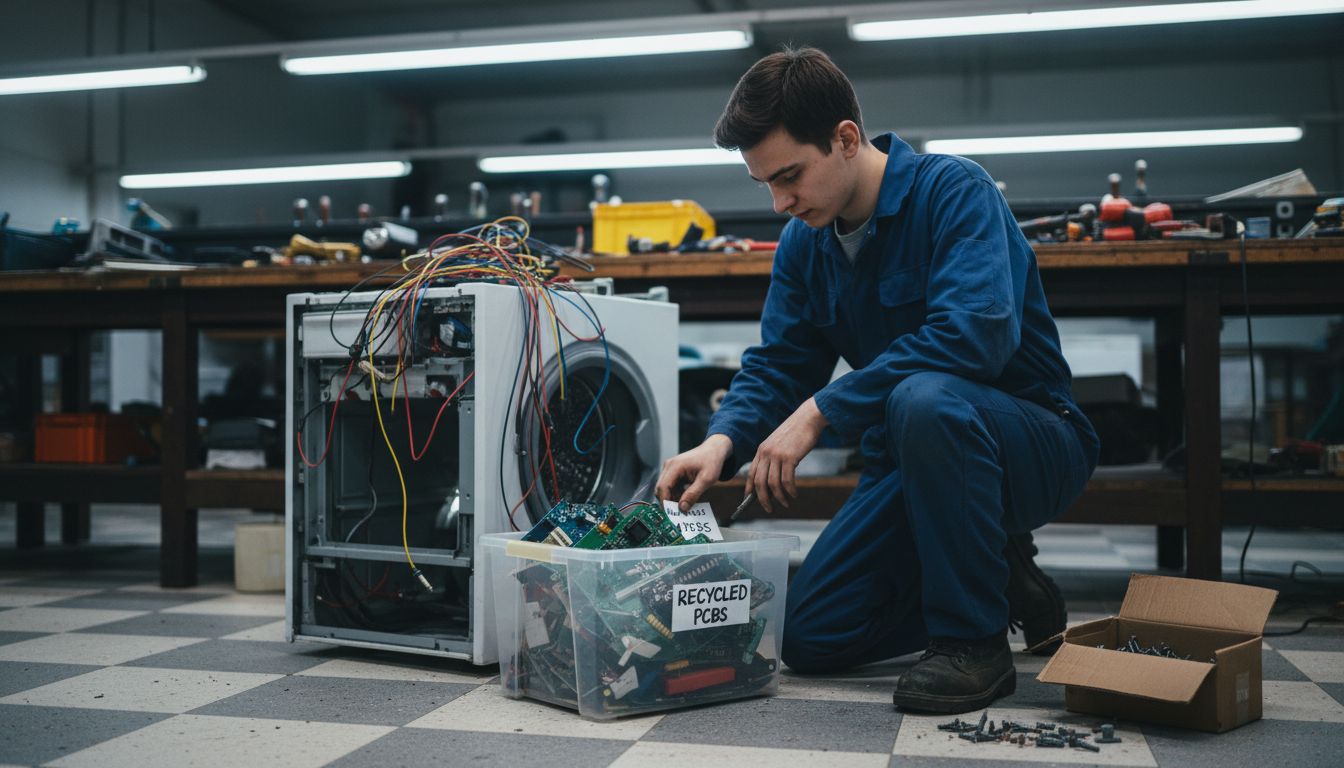
Appliance recycling is a sophisticated, multi-step process that transforms discarded household equipment into valuable raw materials. Certified appliance recycling programs establish rigorous protocols to ensure safe and environmentally responsible material recovery, focusing on minimizing waste and maximizing resource efficiency.
The recycling journey begins with a comprehensive initial assessment. Trained technicians carefully inspect each appliance to determine its condition and potential for material recovery. This crucial first step involves:
- Identifying potentially hazardous components
- Assessing the structural integrity of the appliance
- Determining the most appropriate recycling approach
- Separating reusable parts from non-recyclable materials
Guidance for scrap metal recyclers emphasizes the critical process of hazardous material removal. Specialized technicians carefully extract potentially dangerous substances like:
- Refrigerants from cooling systems
- Mercury switches
- Capacitors containing toxic chemicals
- Oil and chemical residues
Once hazardous materials are safely removed, the appliance undergoes material separation. Advanced machinery and expert human sorting break down the appliance into distinct material categories. Metals like steel, aluminum, and copper are typically the most valuable components, with each type processed separately to maximize recycling efficiency. Plastics, electronic components, and other materials follow similar specialized recycling pathways, ensuring minimal waste and maximum resource recovery.
Legal Requirements in California for Appliance Disposal
California has established comprehensive legal frameworks to ensure responsible appliance disposal and recycling. Certified appliance recycler programs mandate strict guidelines that homeowners and recycling facilities must follow to protect environmental and public health standards.
Key Legal Mandates for appliance disposal in California include:
- Mandatory removal of hazardous refrigerants
- Proper documentation of material disposal
- Compliance with state environmental protection regulations
- Certification requirements for recycling facilities
The state requires specialized handling of potentially dangerous components found in household appliances. Refrigerators, air conditioners, and other cooling systems must have chlorofluorocarbon (CFC) gases professionally extracted before disposal. Specialized recycling centers are legally obligated to:
- Capture and neutralize harmful chemical compounds
- Prevent environmental contamination
- Maintain detailed tracking of hazardous material management
- Submit regular compliance reports to state agencies
Noncompliance with California’s appliance disposal regulations can result in significant financial penalties. Residential and commercial entities must work with licensed recycling facilities that demonstrate proper environmental stewardship and adhere to stringent state guidelines. These regulations not only protect the environment but also ensure the safe processing of potentially harmful materials found in household appliances.
Costs, Risks, and Responsible Recycling Practices
Responsible appliance recycling involves understanding the complex interplay between environmental sustainability, potential risks, and associated costs. Household appliance safety considerations highlight the critical importance of proper disposal to mitigate potential hazards and protect public safety.
Financial Considerations for appliance recycling include:
- Processing fees for specialized recycling services
- Potential tax incentives for responsible disposal
- Cost savings from material recovery
- Avoiding potential environmental fines
Significant risks emerge from improper appliance disposal, particularly with older or damaged equipment. Hazardous components like refrigerants, mercury switches, and toxic capacitors can create substantial environmental and health challenges if not handled professionally. These risks include:
- Groundwater contamination
- Toxic chemical release
- Potential electrical hazards
- Environmental ecosystem disruption
Responsible recycling practices demand a comprehensive approach that balances economic considerations with environmental stewardship. Homeowners should prioritize working with certified recycling centers that offer transparent pricing, comprehensive material processing, and documented environmental compliance. By investing in professional recycling services, individuals can contribute to sustainable waste management while minimizing potential risks associated with improper appliance disposal.
Take Control of Appliance Recycling and Maintenance Today
Understanding the importance of appliance recycling starts with recognizing the challenges of responsible disposal and professional material handling. Many homeowners face dilemmas with hazardous components like refrigerants and toxic capacitors in appliances such as refrigerators and air conditioners. These complexities make it crucial to rely on expert technicians who not only repair but also guide you in eco-friendly maintenance and disposal choices.
Ensure your appliances are safe, efficient, and environmentally sound by connecting with trusted professionals at Appliance Repair MD Tech. From expert refrigerator repair to HVAC system servicing, our licensed technicians are equipped to handle your urgent and scheduled appliance needs while supporting responsible practices. Don’t risk costly fines or environmental harm. Act now and book your service online to safeguard your home and contribute to a cleaner California.
Frequently Asked Questions
What is appliance recycling?
Appliance recycling is the systematic breakdown of old household appliances into reusable materials, preventing waste and reducing environmental impact.
Why is it important to recycle appliances?
Recycling appliances helps conserve natural resources, reduces pollution, and minimizes landfill waste by recovering valuable materials like metals, plastics, and electronic components.
What types of appliances can be recycled?
Household appliances suitable for recycling include refrigerators, dishwashers, stoves, washing machines, dryers, air conditioners, and electronic devices like computers and televisions.
What happens during the appliance recycling process?
The recycling process involves initial assessment, removal of hazardous materials, material separation into metals and plastics, and processing these materials for reuse in new manufacturing processes.