
Most American households face tough choices when a major appliance starts to malfunction. The decision to repair or replace can feel daunting, especially since appliances often represent significant investments. With experts recommending the 50 Percent Rule, which suggests replacement if repair costs exceed half the price of a new unit, every choice has a direct impact on family budgets. Learning which option is truly smarter helps American families save money and maintain convenience at home.
Table of Contents
- Defining Appliance Repair Versus Replacement
- Typical Appliance Lifespans And Common Failures
- Comparing Repair Costs To New Purchases
- Environmental And Energy Efficiency Factors
- Local Service Options And Brand Expertise
Key Takeaways
| Point | Details |
|---|---|
| Repair Versus Replacement | Homeowners should follow the 50 Percent Rule; if repair costs exceed 50% of a new appliance’s price, replacement is often more economical. |
| Typical Appliance Lifespans | Appliances generally last between 8 and 15 years, with unique failure patterns to monitor for timely maintenance. |
| Environmental Considerations | Repairing appliances helps reduce waste and conserves resources, making it a more sustainable choice when feasible. |
| Local Service Advantages | Selecting local technicians with brand-specific training enhances the quality of repair, ensuring tailored and effective service for appliances. |
Defining Appliance Repair Versus Replacement
Deciding whether to repair or replace an appliance involves complex financial and practical considerations that directly impact household budgets and functionality. Homeowners must carefully evaluate multiple factors to make the most cost-effective decision. The National Academies Press guidelines recommend analyzing repair expenses, equipment age, and potential operational needs before making a final determination.
The core decision framework typically involves comparing the total repair costs against the price of a new appliance. Experts suggest using the 50 Percent Rule, which recommends replacement if repair expenses exceed half the cost of a brand new unit. FEMA’s replacement guidelines highlight this principle, suggesting that when repair costs approach or surpass 50% of replacement value, investing in a new appliance becomes the more financially prudent choice.
Critical factors homeowners should consider include:
- Current appliance age
- Frequency of previous repairs
- Energy efficiency of existing versus new models
- Potential performance improvements with replacement
- Total repair versus replacement costs
While each appliance scenario differs, understanding these fundamental decision-making principles helps residents in Orange and Los Angeles Counties make informed choices about their household equipment maintenance. By carefully weighing repair costs, potential future performance, and long-term financial implications, homeowners can optimize their investment and ensure reliable household functionality.
Typical Appliance Lifespans and Common Failures
Appliance longevity varies significantly across different household equipment, with each type experiencing unique wear patterns and potential failure points. Consumers Credit Union research reveals critical insights into expected equipment lifespans and warning signs of imminent breakdown. Understanding these nuances helps homeowners anticipate maintenance needs and budget for potential replacements before catastrophic failures occur.
Typical lifespans for major household appliances typically range from 8 to 15 years, depending on usage, maintenance quality, and manufacturing standards. The American Apartment Owners Association highlights several common failure patterns across different equipment types:
- Refrigerators: Average lifespan of 10-15 years
- Common issues include compressor failure
- Cooling system deterioration
- Seal and gasket degradation
- Washers and Dryers: Average lifespan of 10-13 years
- Motor wear
- Drum bearing failures
- Electronic control board malfunctions
- Dishwashers: Average lifespan of 9-12 years
- Pump system failures
- Spray arm blockages
- Water inlet valve problems
- Ovens and Ranges: Average lifespan of 10-15 years
- Heating element burnout
- Electronic control issues
- Gas valve and ignition system failures
Proactive maintenance and early detection of potential problems can significantly extend an appliance’s functional life. Residents in Orange and Los Angeles Counties should pay close attention to unusual sounds, performance changes, and incremental efficiency losses that might indicate underlying mechanical issues. Regular professional inspections and timely repairs can prevent costly emergency replacements and ensure consistent household equipment reliability.
Comparing Repair Costs to New Purchases
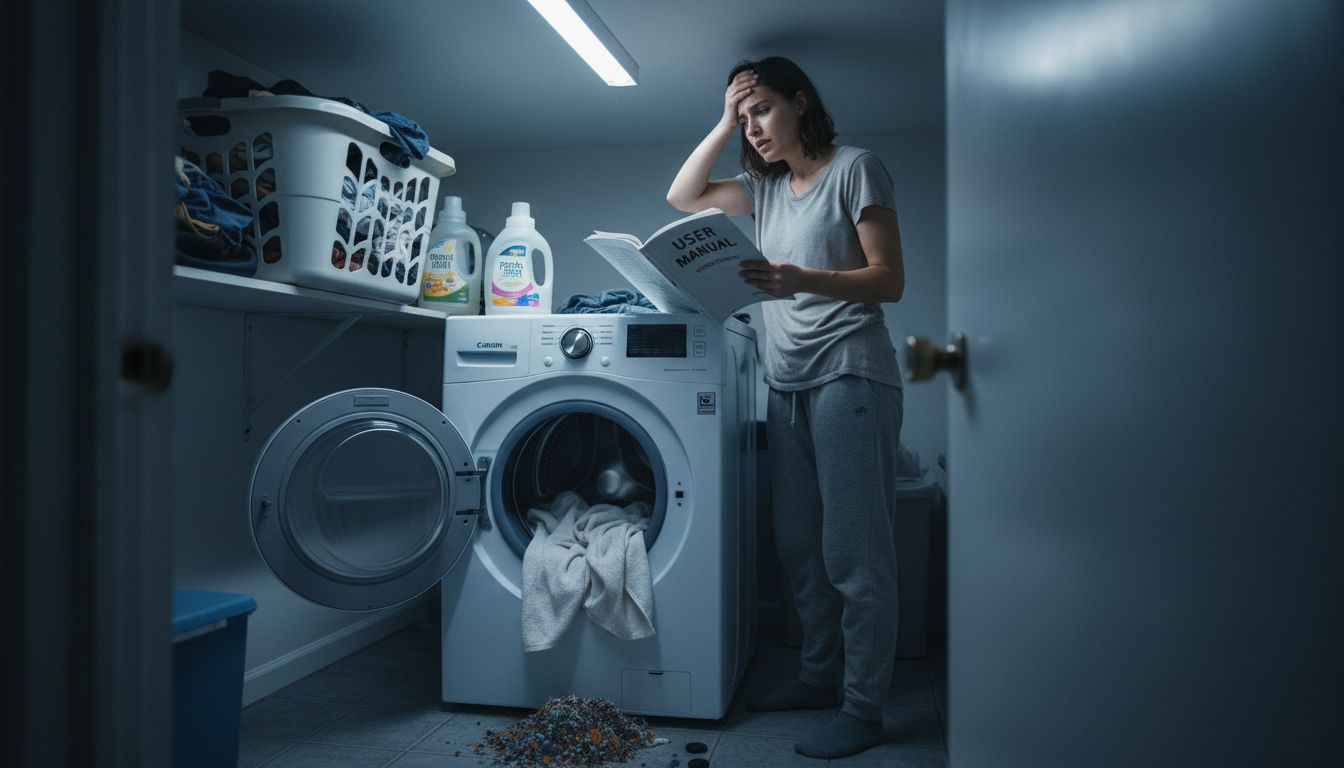
Making the decision between repairing an existing appliance or purchasing a new one requires careful financial analysis and strategic thinking. ConsumersAdvocate explores the critical ‘50% rule’ which provides homeowners with a clear financial benchmark: if repair costs exceed 50% of a new appliance’s price, replacement becomes the most economical choice. This straightforward guideline helps residents avoid throwing money into repeatedly fixing an aging or inefficient machine.
UMA Technology’s comprehensive analysis reveals that cost-effectiveness extends beyond immediate repair expenses. Homeowners must consider several additional financial factors:
- Repair Frequency: Repeated repairs indicate systemic issues
- Energy Efficiency: Newer models often consume significantly less electricity
- Performance Improvements: Modern appliances offer advanced features
- Long-Term Savings: Potential reduction in utility and maintenance costs
- Home Value: Updated appliances can increase property marketability
Typical cost comparison scenarios demonstrate the financial logic behind replacement decisions. For instance, a refrigerator repair costing $350 might seem reasonable, but if the appliance is eight years old with potential additional future issues, investing $800 in a new, energy-efficient model could prove more economical. Residents in Orange and Los Angeles Counties should consult professional technicians who can provide detailed assessments, helping them make informed decisions that balance immediate expenses with long-term financial benefits.
Environmental and Energy Efficiency Factors
Sustainability has become a critical consideration in appliance repair and replacement decisions, extending beyond mere financial calculations. The National Appliance Service Association research reveals compelling insights into the environmental impact of appliance maintenance, demonstrating that repairing existing equipment can significantly reduce waste and conserve manufacturing resources.
The Nuremberg Institute for Market Decisions highlights how consumer motivations for repair vary across different regions, with environmental consciousness playing an increasingly important role in decision-making. Key environmental considerations include:
- Landfill Reduction: Each repaired appliance prevents unnecessary waste
- Resource Conservation: Minimizing new manufacturing demands
- Carbon Footprint: Reducing energy consumed in production of new appliances
- Material Recovery: Extending the useful life of existing equipment
- Energy Efficiency: Upgrading to more efficient models when replacement is necessary
Modern appliances offer significant energy efficiency improvements, with newer models consuming up to 50% less electricity compared to decade-old counterparts. Residents in Orange and Los Angeles Counties can make environmentally responsible choices by carefully evaluating their current appliance’s performance, age, and energy consumption. Professional technicians can provide detailed assessments that balance environmental impact, energy efficiency, and long-term household economics, helping homeowners make informed decisions that benefit both their budget and the planet.
Local Service Options and Brand Expertise
Navigating the complex landscape of appliance repair requires understanding the nuanced expertise available within Orange and Los Angeles Counties. Venture World’s research into emerging repair service trends reveals significant advancements in diagnostic techniques and preventive maintenance that are transforming local service experiences for homeowners.
Local appliance repair services now offer specialized capabilities across multiple dimensions:
- Diagnostic Precision: Advanced technological tools enabling faster problem identification
- Brand-Specific Training: Technicians with targeted expertise for specific appliance manufacturers
- Comprehensive Service Coverage: Repairs spanning refrigerators, washers, dryers, ovens, and dishwashers
- Rapid Response: Scheduling options for urgent and preventative maintenance
- Warranty Preservation: Repairs that maintain manufacturer warranty requirements
Homeowners in Orange and Los Angeles Counties benefit from selecting local technicians who understand regional environmental factors and specific household challenges. These professionals bring deep knowledge of how local climate, water quality, and usage patterns impact appliance performance. By choosing service providers with extensive brand expertise and location-specific insights, residents can ensure more reliable, efficient, and long-lasting appliance maintenance that goes beyond generic repair approaches.
Make Informed Choices with Trusted Local Appliance Repair Experts
Navigating the decision to fix or replace your household appliances can be overwhelming when faced with repair costs, appliance age, and energy efficiency concerns. The article “Why Fix vs Replace Appliances Matters Locally” highlights how important it is to weigh factors like the 50 Percent Rule and long-term savings to protect your budget and home functionality. If you are in Orange County or Los Angeles County and want to avoid costly mistakes, personalized advice from licensed technicians who understand local needs is essential.
Take control of your appliance decisions today by partnering with skilled professionals.
Experience fast, reliable repair services for refrigerators, washers, dryers, ovens, and dishwashers. Our local experts specialize in extending appliance lifespans while helping you decide when replacement makes financial and environmental sense. Visit Appliance Repair MD Tech now to book your appointment or learn more about our comprehensive services. Don’t wait until minor issues become urgent expenses. Trust our team for expert diagnostics, quick solutions, and peace of mind in your appliance repair choices.
Frequently Asked Questions
What factors should I consider when deciding whether to repair or replace an appliance?
When deciding, consider the appliance’s age, repair costs compared to the replacement cost, frequency of previous repairs, energy efficiency improvements, and any potential performance benefits a new model might offer.
How does the 50 Percent Rule help in making appliance repair or replacement decisions?
The 50 Percent Rule suggests that if the estimated repair costs of an appliance exceed 50% of the price of a new unit, replacing it is generally the more economically sound choice, helping you avoid repeated costly repairs on an aging appliance.
What are the common failure points for household appliances?
Common failure points include compressor issues in refrigerators, motor or electronic control failures in washers and dryers, pump failures in dishwashers, and heating element malfunctions in ovens and ranges, often occurring as these appliances age.
What are the environmental benefits of repairing appliances instead of replacing them?
Repairing appliances reduces landfill waste, conserves manufacturing resources, minimizes the carbon footprint associated with producing new units, and helps extend the life of existing equipment, contributing positively to sustainability efforts.