
Over 60 percent of American households experience appliance issues linked to poor installation, costing families both time and money. Getting installation right is more than convenience. It directly affects home safety, energy efficiency, and the lifespan of every major device. Understanding what proper appliance installation truly means helps homeowners avoid expensive mistakes and enjoy peace of mind with every investment.
Table of Contents
- What Proper Appliance Installation Means
- Types of Home Appliances and Installation Needs
- How Professional Installation Ensures Safety
- Legal and Local Code Requirements in California
- Risks and Costs of Poor Installation
Key Takeaways
| Point | Details |
|---|---|
| Importance of Professional Installation | Expert installation ensures appliances function optimally, maintaining safety and longevity. |
| Legal Compliance in California | Professional installers understand local building codes and legal requirements, protecting homeowners from liabilities. |
| Risks of Poor Installation | Improper installation can lead to increased energy costs, warranty voiding, and safety hazards. |
| Unique Challenges in Different Regions | In areas like Orange and Los Angeles Counties, diverse housing infrastructures necessitate specialized installation knowledge. |
What Proper Appliance Installation Means
Proper appliance installation transcends simply plugging in a device or positioning it in a designated space. It involves a meticulous process that ensures optimal performance, safety, and longevity for household equipment. Precise installation requires technical expertise, understanding of manufacturer specifications, and adherence to local building codes and electrical standards.
The core elements of proper appliance installation include several critical considerations:
- Professional alignment and positioning: Ensuring appliances are level, have adequate ventilation, and are positioned to minimize strain on mechanical components
- Correct electrical and plumbing connections: Verifying voltage compatibility, proper grounding, and secure water line attachments
- Calibration and testing: Running diagnostic checks to confirm all systems function correctly before considering the installation complete
Beyond technical requirements, proper installation protects your investment by preventing potential equipment failures that could result from improper setup. Manufacturers often specify precise installation protocols that, when not followed, can void warranties and compromise an appliance’s performance. Professional technicians understand these nuanced requirements and can navigate complex installation scenarios across different brands and models, ensuring your household equipment operates at peak efficiency.
For homeowners in Orange and Los Angeles Counties, professional installation becomes even more crucial given the region’s diverse housing infrastructure and specific municipal regulations. Each appliance presents unique challenges – from refrigerators requiring precise temperature calibration to gas ranges needing meticulous connection protocols. By investing in expert installation, you’re not just placing an appliance in your home; you’re guaranteeing its optimal functionality, safety, and potential lifespan.
Types of Home Appliances and Installation Needs
Home appliances are complex systems categorized into two primary groups: major and small appliances, each with unique installation requirements that demand specialized technical knowledge. Major appliances represent substantial household investments requiring comprehensive installation strategies, while small appliances typically involve more straightforward setup processes.
Major appliances demand intricate installation protocols:
- Refrigeration units: Precise leveling, electrical grounding, and temperature calibration
- Cooking appliances: Complex gas or electrical connections, ventilation requirements, and safety certifications
- Laundry equipment: Dedicated electrical circuits, water line connections, and drainage system compatibility
Small appliances generally require minimal installation, focusing primarily on electrical outlet compatibility and strategic positioning. These devices – including microwaves, coffee makers, and blenders – need careful placement to ensure optimal functionality and prevent potential electrical hazards. Proper electrical outlet selection, avoiding overloaded circuits, and maintaining adequate ventilation remain critical considerations even for smaller household devices.
In Orange and Los Angeles Counties, professional installation becomes essential due to diverse housing infrastructures and specific municipal electrical and plumbing regulations. Whether dealing with complex major appliances or seemingly simple small appliances, expert technicians understand the nuanced requirements that transform basic equipment placement into a comprehensive, safe, and efficient installation process.
How Professional Installation Ensures Safety
Professional appliance installation represents far more than a simple setup process – it is a critical safety intervention that protects homeowners from potential electrical, mechanical, and structural risks. Technical expertise plays a fundamental role in identifying and mitigating hidden dangers that untrained individuals might overlook, transforming what seems like a straightforward task into a comprehensive safety assessment.
Key safety considerations during professional installation include:
- Electrical hazard prevention: Verifying proper grounding, circuit load compatibility, and voltage requirements
- Structural integrity assessment: Checking mounting points, weight distribution, and potential stress points
- Gas connection safety: Ensuring leak-free connections, proper ventilation, and compliance with local building codes
- Precision calibration: Minimizing operational risks through exact manufacturer specifications
Beyond immediate physical safety, professional installation protects long-term household well-being by preventing potential equipment failures that could result in property damage or personal injury. Technicians bring specialized knowledge about potential interaction risks between different household systems, understanding how improper installation might create cascading safety issues. From identifying potential electrical overload scenarios to ensuring proper ventilation for heat-generating appliances, their expertise acts as a critical safeguard.
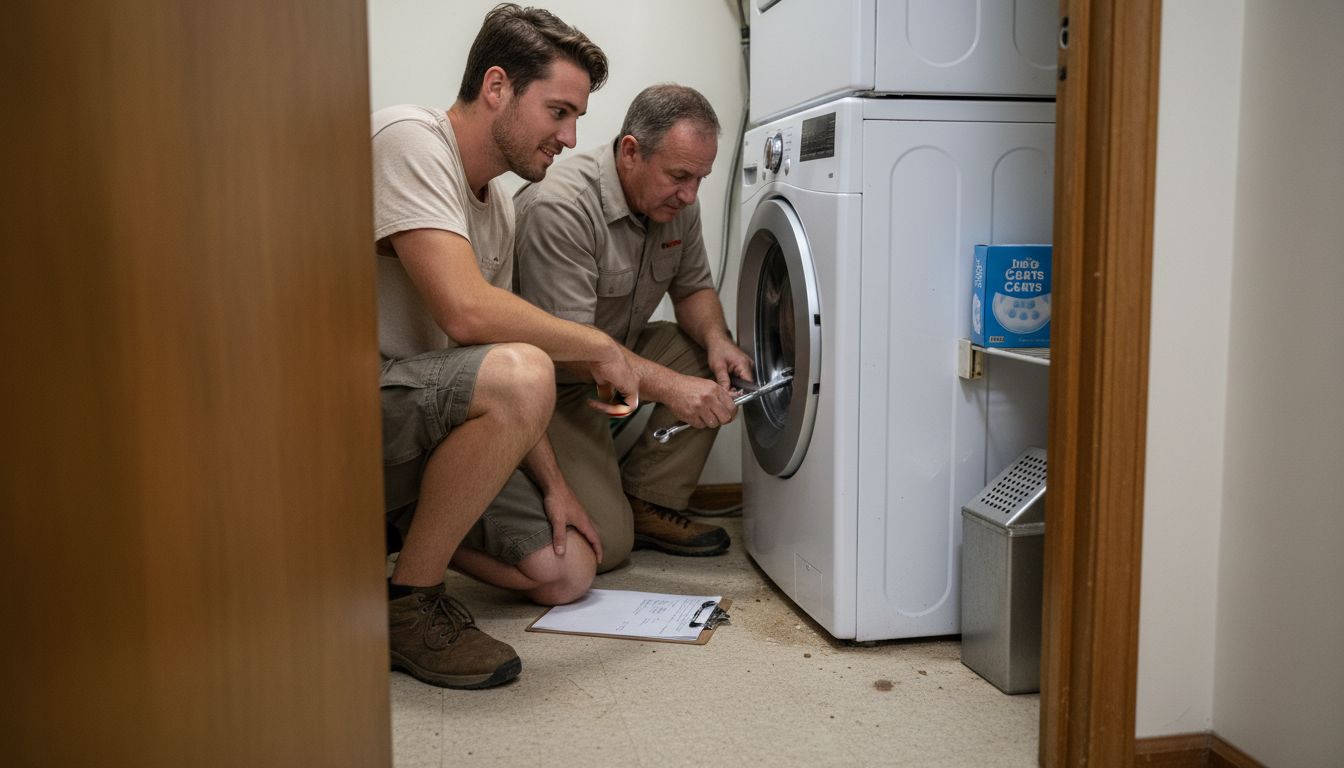
For homeowners in Orange and Los Angeles Counties, where housing infrastructure varies widely, professional installation becomes an essential risk management strategy. Each appliance presents unique challenges – gas ranges require meticulous connection protocols, refrigerators demand precise temperature and electrical calibration, and washing machines need careful water line and drainage assessments. By investing in expert installation, you’re not just placing an appliance in your home; you’re implementing a comprehensive safety strategy that protects your property, your family, and your significant household investments.
Legal and Local Code Requirements in California
Appliance installation in California involves a complex web of legal requirements and safety regulations that go far beyond simple equipment placement. Regulatory compliance is not just a recommendation but a critical legal mandate that protects homeowners, ensures public safety, and maintains the structural integrity of residential properties across Orange and Los Angeles Counties.
Key legal considerations for appliance installation include:
- Contractor licensing: Mandatory state-issued credentials verifying professional competence
- Electrical code adherence: Strict requirements for circuit load, grounding, and voltage compatibility
- Permit requirements: Necessary documentation for significant appliance installations involving electrical or plumbing modifications
- Safety certification: Mandatory inspections and compliance with California Building Standards Code
The Contractors State License Board (CSLB) plays a pivotal role in regulating appliance installations, establishing stringent guidelines that protect consumers from potential hazards and substandard workmanship. These regulations cover everything from gas line connections and electrical wiring to structural modifications required for complex appliance placements. Homeowners who bypass these legal requirements risk not just potential safety issues, but also significant financial liabilities, including invalidated home insurance claims and potential legal complications.
In Orange and Los Angeles Counties, where housing infrastructures vary dramatically from coastal properties to inland residences, understanding local municipal codes becomes crucial. Different cities may have additional specific requirements beyond state regulations, making professional installation not just a matter of convenience, but a critical step in ensuring full legal compliance. By working with licensed professionals who understand these nuanced legal landscapes, homeowners can confidently navigate the complex world of appliance installation while maintaining full regulatory adherence.
Risks and Costs of Poor Installation
Improper appliance installation represents a significant financial and safety risk that extends far beyond the initial setup, potentially creating cascading problems that compromise both household functionality and personal security. Incorrect installation can trigger a series of costly consequences that transform what seems like a minor oversight into a substantial long-term economic burden.
The most critical risks associated with poor appliance installation include:
- Energy inefficiency: Improperly installed appliances consume significantly more electricity, increasing monthly utility expenses
- Premature equipment failure: Incorrect mounting or connection can dramatically reduce an appliance’s operational lifespan
- Warranty invalidation: Most manufacturer warranties become void if professional installation guidelines are not strictly followed
- Potential safety hazards: Electrical and gas connection errors can create immediate risks of fire, electrocution, or gas leaks
Financial implications of substandard installation extend beyond immediate repair costs. Homeowners might face exponentially higher expenses through increased energy consumption, repeated repair attempts, and potential property damage. For instance, a refrigerator installed without proper leveling can strain its compressor, leading to complete system failure and replacement costs that far exceed the initial professional installation expense.
In Orange and Los Angeles Counties, where housing infrastructures and municipal regulations are complex, the risks of DIY or unprofessional appliance installation become even more pronounced. Local environmental factors like temperature variations, electrical grid characteristics, and specific building codes create additional layers of complexity. Professional technicians understand these nuanced regional challenges, providing installation services that protect not just the appliance, but the entire home ecosystem. By investing in expert installation, homeowners transform a potential financial liability into a strategic long-term protection strategy.
Ensure Safety and Efficiency With Expert Appliance Installation
Proper appliance installation is crucial to protect your home from safety hazards and costly appliance failures. If you want to avoid risks like electrical hazards, warranty issues, or premature equipment breakdowns, trusting licensed professionals who understand California’s legal requirements and local codes is essential. Whether you need precise refrigerator setup or secure gas range connections, expert installation ensures your appliances function safely and efficiently.
Don’t wait until a small installation error becomes a major problem. Take control now by connecting with trusted technicians at Appliances Repair MD Tech who specialize in careful and code-compliant appliance installation throughout Orange and Los Angeles Counties. Discover how our licensed experts provide fast, reliable service that protects your investment and peace of mind. Schedule your appointment today and experience the benefits of professional installation designed for your home needs.
Frequently Asked Questions
What is proper appliance installation?
Proper appliance installation involves a meticulous process that includes aligning and positioning appliances correctly, ensuring that electrical and plumbing connections are properly made, and running necessary calibrations to confirm optimal functionality.
Why is professional installation important for appliances?
Professional installation is crucial because it ensures safety, protects against potential equipment failures, and adheres to local building codes and manufacturer specifications, which can void warranties if not followed.
What are the risks of improper appliance installation?
Improper installation can lead to energy inefficiency, premature equipment failure, invalidation of warranties, and serious safety hazards such as electrical fires or gas leaks.
Are there specific codes and regulations for appliance installation?
Yes, appliance installation is subject to various legal and local code requirements, including contractor licensing, electrical code adherence, permit requirements, and safety certifications to protect homeowners and ensure public safety.