
Every american household depends on appliances that rarely get a second thought until something goes wrong. When the washing machine stops or the fridge warms up, urgent solutions become a necessity. Over 75 percent of american families rely on local repair services to keep daily life running smoothly. Choosing the right local appliance repair provider is not just about convenience. It ensures expert attention, supports community businesses, and helps extend the life of essential equipment so routines stay on track.
Table of Contents
- Defining Local Appliance Repair Services
- Types of Appliances and Service Specialties
- Technician Qualifications and Licensing Requirements
- Benefits of Choosing a Local Repair Provider
- Cost, Timing, and Common Service Mistakes
Key Takeaways
| Point | Details |
|---|---|
| Specialized Local Services | Local appliance repair services offer targeted expertise for a range of household appliances, minimizing repair costs and downtime for homeowners. |
| Technician Qualifications | Proper licensing and training ensure technicians can handle complex repairs, with many having additional technical certifications. |
| Community Benefits | Choosing local repair services supports local economies and promotes sustainability by extending appliance life and reducing waste. |
| Proactive Maintenance | Homeowners should avoid DIY repairs and focus on timely, professional maintenance to prevent minor issues from escalating. |
Defining Local Appliance Repair Services
Local appliance repair services represent specialized professional solutions designed to diagnose, repair, and restore household appliances to full functionality within specific geographic regions. These services provide targeted technical expertise for homeowners experiencing equipment malfunctions, ranging from refrigerators and washers to ovens and dishwashers. The primary goal is delivering quick, efficient repairs that prevent unnecessary equipment replacement and minimize disruption to daily household routines.
Modern local repair services have evolved beyond traditional repair models, integrating technological platforms that enhance customer convenience. On-demand repair platforms now enable residents to schedule technician visits through digital interfaces, streamlining the repair process. These services typically involve pre-screened, licensed technicians who arrive equipped with diagnostic tools and replacement parts specific to various appliance brands and models.
Unique characteristics distinguish professional local appliance repair services from generic maintenance approaches. These specialized providers understand regional equipment challenges, maintain extensive brand-specific knowledge, and offer targeted solutions for specific communities. Technician expertise becomes crucial, with professionals trained to handle intricate electrical systems, mechanical components, and brand-specific repair requirements. Local services also provide significant advantages like faster response times, personalized customer interactions, and deeper understanding of regional appliance performance patterns.
Beyond immediate repair needs, local appliance repair services contribute to broader community sustainability efforts. By extending appliance lifespans and preventing premature replacements, these services reduce electronic waste and support environmentally conscious consumption patterns. Community-focused repair initiatives demonstrate how technical expertise can simultaneously address individual homeowner needs and contribute to broader environmental conservation goals.
Types of Appliances and Service Specialties
Local appliance repair services specialize in addressing a comprehensive range of household equipment, with technicians trained to handle intricate repairs across multiple appliance categories. Energy conservation regulations have expanded the scope of professional repair services, covering over 60 different residential and commercial appliances that demand specialized technical expertise.
The primary appliance categories serviced by professional technicians include:
- Kitchen Appliances
- Refrigerators
- Dishwashers
- Ovens and ranges
- Microwaves
- Kitchen hoods
- Laundry Equipment
- Washing machines
- Clothes dryers
- Combination washer-dryers
- Climate Control Devices
- Window air conditioning units
- Portable cooling systems
- Space heaters
- Small Electrical Appliances
- Garbage disposals
- Trash compactors
- Electric water heaters
Professional repair services increasingly emphasize energy-efficient appliance maintenance, recognizing that proper technical interventions can significantly extend equipment lifespan and optimize performance. Technicians undergo specialized training to diagnose complex mechanical and electrical issues across diverse appliance brands and models, ensuring comprehensive repair capabilities.
Kitchen appliance repairs represent a significant portion of professional service offerings, with technicians addressing everything from minor component replacements to full system diagnostics. The expertise required spans multiple domains, including electrical systems, mechanical engineering, and brand-specific technological nuances. This multifaceted approach ensures that homeowners receive targeted, efficient solutions that restore appliance functionality while minimizing potential long-term damage or unnecessary replacements.
Technician Qualifications and Licensing Requirements
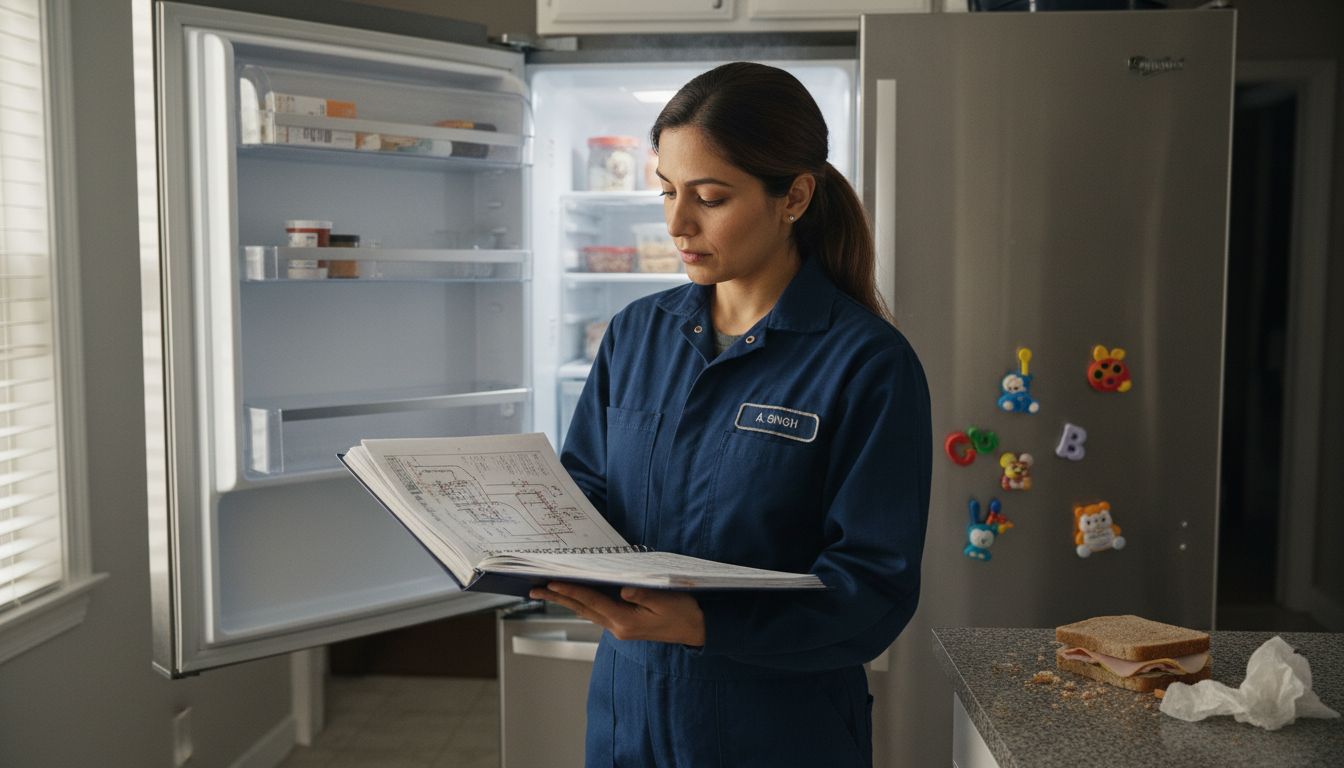
Professional appliance repair technicians must meet rigorous educational and certification standards that ensure high-quality service and technical competence. Minimum educational requirements typically include a high school diploma or equivalent, with many employers preferring candidates with additional technical training or vocational certifications in electrical systems, mechanical repair, or specific appliance technologies.
Licensing and certification requirements vary significantly across different states and specialized service domains. Refrigerant handling technicians must obtain specific federal and state certifications, such as the EPA Section 608 certification for managing refrigeration systems. In California, technicians may need additional credentials like the C-38 Refrigeration License, which demonstrates advanced technical competence and regulatory compliance.
Key qualifications for professional appliance repair technicians include:
- Educational Background
- High school diploma or GED
- Technical or vocational training in appliance repair
- Associate’s degree in electronics or related field (preferred)
- Technical Certifications
- EPA Section 608 Certification
- Manufacturer-specific repair training
- State-specific professional licenses
- Professional Requirements
- Valid driver’s license
- Clean background check
- Ongoing technical education
- Proof of liability insurance
Local repair services prioritize comprehensive background checks and continuous professional development to maintain high service standards. This approach ensures that technicians remain updated on emerging technologies, safety protocols, and advanced diagnostic techniques, ultimately providing homeowners with reliable and expert repair solutions that address complex appliance challenges efficiently and professionally.
Benefits of Choosing a Local Repair Provider
Local appliance repair providers offer homeowners distinct advantages that extend far beyond simple equipment maintenance. Emerging economic research highlights how these services contribute significantly to community economic development, creating specialized employment opportunities and supporting local skill ecosystems.
The primary benefits of selecting a local repair provider include:
- Rapid Response Times
- Immediate scheduling
- Shorter travel distances
- Quicker diagnostic capabilities
- Personalized Customer Service
- Direct communication
- Understanding local equipment challenges
- Tailored repair solutions
- Economic Community Impact
- Supporting neighborhood businesses
- Creating local job opportunities
- Reinvesting revenue within the community
- Technical Expertise
- Region-specific appliance knowledge
- Understanding local infrastructure
- Familiarity with regional equipment standards
Professional local repair services distinguish themselves through deep community integration and specialized technical knowledge. Technicians typically possess intimate understanding of regional appliance performance patterns, infrastructure limitations, and specific environmental challenges that can impact equipment functionality.
Beyond immediate repair needs, choosing local providers represents a strategic decision that supports broader community resilience. These services create meaningful employment pathways, foster technical skill development, and provide essential maintenance solutions that help homeowners extend the operational lifespan of critical household equipment while simultaneously contributing to sustainable consumption practices.
Cost, Timing, and Common Service Mistakes
Appliance repair services require strategic planning to manage costs, minimize downtime, and avoid potential technical complications. Timely repairs are critical for maintaining household efficiency, with professional interventions designed to prevent extended equipment disruptions and unexpected financial burdens.
Cost considerations for professional appliance repairs typically involve several key factors:
- Diagnostic Fees
- Flat rate evaluation charges
- Potential waiver with completed repairs
- Ranges from $50-$150 depending on complexity
- Repair Cost Ranges
- Minor repairs: $100-$300
- Moderate repairs: $300-$600
- Complex repairs: $600-$1,500
- Factors Impacting Pricing
- Appliance brand
- Equipment age
- Complexity of repair
- Required replacement parts
- Technician expertise
Common service mistakes homeowners should avoid include:
- Delaying necessary repairs
- Attempting DIY fixes without proper knowledge
- Neglecting routine maintenance
- Ignoring warning signs of potential equipment failure
Local repair services recommend proactive maintenance strategies that help prevent costly replacements. Professional technicians emphasize the importance of addressing minor issues immediately, as small problems can rapidly escalate into major equipment failures that require significantly more expensive interventions. Smart homeowners understand that investing in timely, professional diagnostics and repairs ultimately saves substantial money and prevents unexpected household disruptions.
Trusted Local Appliance Repair Solutions at Your Fingertips
If you are facing appliance breakdowns or need fast, reliable repairs from experienced professionals familiar with Orange County and Los Angeles County equipment challenges, you deserve expert help without delay. The article highlights how timely local repair services prevent costly replacements and reduce household disruption. It also emphasizes technician expertise, quick response times, and personalized service as crucial to extending your appliances’ life and maintaining your daily routine smoothly.
Choose professional local repair services that understand your specific appliance needs, from refrigerators to washers, dryers, and ovens. Our licensed technicians deliver efficient, knowledgeable repair on brands you trust with quick online appointment booking for urgent or scheduled visits. By acting now, you protect your home’s comfort and avoid expensive downtime. Visit appliance repair in Orange County for details or contact us directly at https://appliancesrepairmdtech.com to schedule your service and restore your appliances with confidence.
Frequently Asked Questions
What types of appliances can local repair services fix?
Local appliance repair services can handle a wide range of household equipment, including kitchen appliances like refrigerators and ovens, laundry appliances like washing machines and dryers, climate control devices such as air conditioning units, and small electrical appliances like garbage disposals.
How do I know if I need to call a professional for appliance repairs?
You should call a professional if you notice persistent issues such as unusual noises, failure to start, leaks, or ineffective performance. Delaying repairs can lead to more significant problems and costly replacements.
What qualifications should I look for in an appliance repair technician?
Look for technicians with a high school diploma or equivalent, technical training in appliance repair, and any necessary state or federal certifications, such as the EPA Section 608 Certification for handling refrigeration systems. Experience and ongoing education in emerging technologies are also important.
What are the typical costs associated with appliance repairs?
Costs can vary widely based on the complexity of the repair. Diagnostic fees usually range from $50 to $150, while repair costs can range from $100 for minor repairs to $1,500 for complex issues. Factors affecting pricing include appliance brand, age, and necessary replacement parts.